
Part V of the Natural Rearing Series
Few topics in veterinary medicine generate as much controversy as nosodes.
Mention the word in a conventional veterinary setting and reactions are often immediate. Some practitioners view them as ineffective, unsupported, and scientifically implausible. Others, particularly within the fields of veterinary homeopathy and holistic medicine, have used them for decades and report outcomes they believe deserve serious consideration.
Between those two positions sits a much larger group of pet owners who have heard the term but have little understanding of what nosodes actually are, how they are used, why they are controversial, or why so many natural rearers continue to incorporate them into their programs.
This article is not an attempt to convince readers to abandon conventional medicine. Nor is it an attempt to portray nosodes as a miracle solution. Instead, it is an invitation to examine a fascinating and often misunderstood subject with curiosity and intellectual honesty.
Nosodes occupy a unique position in veterinary medicine because they challenge many of the assumptions people hold about immunity, disease prevention, and how information becomes accepted within scientific communities. Their history stretches back more than two centuries. Their use has persisted through multiple generations of physicians, veterinarians, and homeopaths. Yet despite this long history, they remain largely absent from mainstream discussions of animal health. Why? Is it because they have been thoroughly investigated and proven ineffective? Or is it because they have never received the level of investigation necessary to answer the question definitively? Those are not the same thing.
As we have discussed throughout this Natural Rearing series, health is rarely as simple as a single intervention or a single decision. Nutrition influences the microbiome. The microbiome influences immune function. Immune function influences resilience. Resilience influences disease outcomes. Each piece connects to the next. Nosodes exist within that larger framework. To understand why some practitioners continue to use them, we must first understand what they are, where they came from, what evidence exists in support of them, what criticisms have been raised against them, and what observations continue to be reported by those who incorporate them into practice. The goal is not to arrive at a predetermined conclusion. The goal is to ask better questions.
What Is a Nosode?
A nosode is a homeopathic preparation made from diseased tissue, infectious material, or laboratory cultures associated with a particular illness. Nosodes are used within homeopathic medicine as a means of supporting the body’s response to disease challenges.
What Is a Nosode?

A nosode is a homeopathic preparation created from diseased tissue, pathological secretions, infectious material, or laboratory cultures associated with a particular illness.The
The word itself comes from the Greek word nosos, meaning disease. The concept emerged during the development of homeopathic medicine in the late eighteenth and early nineteenth centuries, when physicians began experimenting with preparations derived directly from disease materials in an effort to stimulate healing responses according to the homeopathic principle of “like cures like.The
The process used to create a nosode involves repeated dilution and succussion, a vigorous shaking procedure that homeopaths believe imparts biological information into the final preparation. Depending on the potency selected, the original material may be diluted many times beyond the point at which measurable molecules of the original substance would be expected to remain.
This characteristic forms the foundation of much of the controversy surrounding nosodes. From a conventional biochemical perspective, many nosodes appear difficult to explain because their mechanism of action does not fit neatly within accepted pharmacological models. Most medications work because they contain measurable quantities of active ingredients that interact directly with biological tissues. Nosodes do not operate according to that framework.
Homeopaths instead propose that highly diluted preparations function as informational signals rather than biochemical agents, influencing the body’s regulatory systems through mechanisms that remain poorly understood. Whether one finds that explanation compelling often depends upon broader assumptions regarding biology, medicine, and the nature of living systems themselves.
Regardless of where one stands on the issue, it is important to understand that nosodes are not vaccines. Vaccines contain antigens intended to stimulate an adaptive immune response resulting in antibody production and immune memory. Nosodes are prepared through an entirely different process and are based upon a fundamentally different theory of action. This distinction is frequently misunderstood by both critics and supporters.
Nosodes are not simply “natural vaccines.” Nor do practitioners generally claim that they operate through the same immunological pathways. Rather, they occupy a separate category within homeopathic medicine and are often used as part of a broader strategy aimed at supporting immune function and resilience.
Today, nosodes exist for a wide variety of conditions. Veterinary practitioners utilize preparations associated with canine parvovirus, distemper, kennel cough, leptospirosis, Lyme disease, heartworm disease, giardia, and numerous other conditions. Human homeopathic practitioners similarly employ nosodes associated with many infectious illnesses.
The sheer variety of nosodes available raises an important question. If these preparations are widely used and have existed for generations, why do they remain so controversial? To answer that question, we must first understand the history that shaped them.
A Brief History of Nosodes

To understand why nosodes continue to generate discussion today, it helps to understand where they originated. Their history begins with the development of homeopathic medicine itself.
In the late eighteenth century, German physician Dr. Samuel Hahnemann became increasingly dissatisfied with many of the medical treatments of his day. Bloodletting, mercury compounds, and other aggressive interventions were common, often producing outcomes that were as harmful as the diseases they were intended to treat. Hahnemann began searching for a different approach and eventually developed what became known as the Law of Similars, often summarized by the phrase “like cures like.” The principle suggested that substances capable of producing symptoms in healthy individuals might, when prepared appropriately, help stimulate healing in individuals experiencing similar symptoms.
Over time, this idea evolved into a complete system of medicine. By the early nineteenth century, practitioners began experimenting with preparations derived directly from diseased tissues and infectious materials. These preparations became known as nosodes. The first widely recognized nosodes appeared during an era when epidemic diseases were among the greatest threats to both human and animal populations. Cholera, yellow fever, scarlet fever, diphtheria, smallpox, and numerous other infectious illnesses regularly swept through communities, often leaving physicians with few effective treatment options.
Homeopathic practitioners began reporting observations that certain remedies and nosodes appeared very useful during outbreaks. The reports were numerous enough that homeopathy gained significant popularity throughout Europe and North America during the nineteenth century.
Historical records indicate that homeopathic hospitals frequently reported mortality rates that were substantially lower than those observed in conventional hospitals during some epidemics. Advocates cite these reports as evidence supporting homeopathic approaches, while critics argue that differences in patient populations, record-keeping practices, sanitation, and treatment protocols make direct comparisons difficult. The truth is that many of these historical reports are difficult to evaluate by modern scientific standards. Yet they remain part of the historical record and help explain why interest in homeopathy and nosodes persisted long after their initial development.
One particularly influential figure was Dr. Dorothy Shepherd, a British physician and homeopath who practiced during the early twentieth century. Shepherd wrote extensively about epidemic diseases and the use of homeopathic remedies during outbreaks. In her writings, she argued that carefully selected homeopathic preparations could often provide protection comparable to or better than conventional interventions available at the time. While her conclusions remain controversial today, they illustrate the confidence many homeopathic physicians had developed after decades of clinical experience.
Veterinary medicine followed a similar path. As homeopathy expanded into animal health, practitioners began developing nosodes associated with common veterinary diseases. By the twentieth century, veterinary homeopaths were utilizing nosodes for conditions such as canine distemper, parvovirus, kennel cough, leptospirosis, and numerous livestock diseases.
Despite periods of declining popularity, veterinary homeopathy never disappeared entirely. Organizations such as the Academy of Veterinary Homeopathy (AVH) and similar international groups have continued training veterinarians in homeopathic methods, preserving a body of knowledge and clinical experience that spans multiple generations.
This historical persistence raises an interesting question. Many medical theories have disappeared entirely when they failed to produce useful results. Why, then, have nosodes survived? Critics argue that tradition alone is insufficient evidence of effectiveness. Supporters counter that practices do not typically endure for centuries unless practitioners repeatedly observe outcomes they consider meaningful. Regardless of which perspective one favors, the longevity of nosodes suggests that the subject deserves far more than a superficial dismissal. The fact that practitioners continue using them after more than two centuries provides a compelling reason to examine the evidence more closely.
That examination, however, quickly leads us into one of the most contentious areas of veterinary medicine. Why are nosodes so controversial?
Why Nosodes Are So Controversial

Few topics create a sharper divide between conventional and holistic veterinary medicine than nosodes. Within homeopathic circles, they are viewed as valuable tools that have accumulated generations of clinical observations supporting their use. Within conventional medicine, they are often regarded with deep skepticism or outright dismissal.Understanding why requires examining the criticisms directly.
The first and perhaps most significant objection concerns mechanism. Modern medicine is built upon a framework that seeks to explain biological outcomes through identifiable physical processes. Drugs work because active ingredients interact with receptors, enzymes, tissues, or cellular pathways. Vaccines work because antigens stimulate specific immune responses. Antibiotics work because they interfere with bacterial growth and reproduction.
Nosodes present a challenge to this framework. Many homeopathic preparations are diluted beyond the point where measurable molecules of the original substance would be expected to remain. Critics argue that if no measurable molecules are present, there can be no biological effect. From this perspective, nosodes appear incompatible with accepted principles of chemistry and pharmacology. This objection is not unreasonable. In fact, it represents one of the strongest scientific criticisms of homeopathy as a whole.
A second criticism concerns evidence. Modern evidence-based medicine places tremendous value on randomized, double-blind, placebo-controlled clinical trials. These studies are designed to reduce bias and provide the highest level of confidence regarding whether a treatment truly produces the effects being observed. Nosodes have relatively few large-scale studies meeting these standards. As a result, critics argue that claims surrounding their effectiveness rely too heavily on anecdotal reports, practitioner observations, and retrospective analyses rather than prospective controlled trials.
Again, this criticism deserves consideration. Scientific rigor matters. Extraordinary claims should be investigated carefully. Yet there is another side to this discussion that is often overlooked. The absence of large-scale clinical trials does not necessarily prove that something is ineffective. It simply means that large-scale clinical trials have not been conducted. Those are very different conclusions.
A third criticism involves regulatory acceptance. Organizations such as the American Veterinary Medical Association (AVMA), the American Animal Hospital Association (AAHA), and numerous veterinary colleges do not recognize nosodes as substitutes for vaccination. Their position is generally based upon the lack of accepted mechanisms and the limited number of large controlled studies demonstrating effectiveness. This stance influences how veterinarians are educated and how veterinary medicine approaches the subject. Consequently, many veterinarians graduate with little to no exposure to homeopathy or nosodes beyond brief discussions that often emphasize skepticism. For most practitioners, the subject simply falls outside the scope of their formal education.
This creates an interesting dynamic. Many veterinarians have never used nosodes. Many homeopaths have used them extensively. Both groups frequently arrive at strong conclusions based on very different experiences.
Another criticism concerns consistency. Homeopathy generally emphasizes individualized treatment rather than standardized protocols. Two patients presenting with the same diagnosis may receive entirely different remedies depending on their symptoms, constitution, and overall presentation. Critics argue that this makes outcomes difficult to evaluate and reproduce. To which supporters counter that biological systems themselves are highly individualized and that personalized approaches may be more appropriate than one-size-fits-all protocols. This disagreement reflects a larger philosophical divide regarding how medicine should approach complex living systems.
At its heart, the controversy surrounding nosodes is not simply about whether they work. It is about how knowledge is evaluated. It is about what counts as evidence. It is about whether centuries of clinical observation should be dismissed because they do not fit neatly within modern research frameworks. And it is about whether a lack of explanation should automatically be interpreted as proof of impossibility. These questions are larger than homeopathy itself.
Throughout scientific history, many observations were documented long before the mechanisms behind them were understood. For centuries, sailors knew citrus fruits prevented scurvy before vitamin C was discovered. Farmers practiced crop rotation long before soil microbiology was understood. Physicians observed the benefits of handwashing before bacteria had been identified. Observation often precedes explanation. That does not mean every observation is correct, but it does mean that unexplained observations deserve investigation rather than reflexive dismissal.
The real question is not whether skepticism is warranted. Skepticism is healthy. The real question is whether skepticism should lead us to stop asking questions or to ask better ones. That brings us to perhaps the most fascinating aspect of the entire discussion:
If nosodes do produce effects that practitioners repeatedly report, how might that be possible?
The Question of Mechanism
Perhaps the single most common criticism of nosodes is also the simplest:
How could they possibly work?
It is a fair question. In many cases, nosodes are diluted to the point that conventional chemistry would predict little or none of the original material remains. From the perspective of traditional pharmacology, this presents an obvious challenge. If medicines work because active molecules interact directly with biological tissues, then how could a preparation containing little or no measurable original substance produce any effect?
For many critics, this question ends the discussion. For others, it marks the beginning. The truth is that science has always been most interesting at the edges of what we understand.
History is filled with examples of biological phenomena that were observed long before their mechanisms were explained. People selectively bred animals long before genetics existed as a field of study. Physicians observed immunity long before antibodies were discovered. Farmers understood the value of healthy soil long before microbiology revealed the astonishing complexity of microbial ecosystems.
Observation often comes first. Explanation follows later. This does not prove nosodes work, but it does remind us that an incomplete explanation is not the same thing as evidence that something is impossible.
Beyond the Molecule
One of the assumptions underlying modern medicine is that biological effects require measurable quantities of active substances. In many situations, this assumption is absolutely correct. Antibiotics kill bacteria because of direct biochemical interactions. Hormones influence tissues because they bind to receptors. Nutrients support biological processes because they participate in metabolism.
Yet biology also contains examples where extremely small signals create profound effects. Hormones themselves operate at extraordinarily low concentrations. Neurotransmitters influence behavior through tiny chemical signals. Genes can be activated or silenced through minute regulatory inputs.
The body is not simply a collection of tissues. It is a communication network. Every second, trillions of signals are exchanged between cells, tissues, microbes, hormones, neurotransmitters, and immune regulators. Increasingly, researchers recognize that biological systems are governed not merely by chemistry, but by information.
The immune system is fundamentally an information-processing system. Its purpose is to recognize patterns, distinguish self from non-self, assess threats, and coordinate responses. Whether nosodes interact with these systems in meaningful ways may remain an open question in conventional veterinary circles, but in holistic circles, this has been positively identified for far longer than conventional medicine has existed. And the concept itself is not as foreign to biology as many people initially assume.
Hormesis and Biological Signaling
One concept occasionally discussed in relation to homeopathy is hormesis. Hormesis refers to the phenomenon in which very small exposures to a stressor can produce beneficial adaptive responses, while larger exposures may be harmful. (Calabrese & Baldwin, 2003Examples
Examples exist throughout biology. Exercise stresses the body yet strengthens it. Sunlight damages tissue in excess but is essential for all life in appropriate amounts. Fasting imposes temporary stress that stimulates beneficial cellular adaptations. Vaccines themselves are built upon a similar principle: controlled exposure intended to stimulate adaptive responses.
To be clear, hormesis does not prove homeopathy. Nor does it explain nosodes directly. However, it illustrates an important point. Biological systems do not always respond to stimuli in simple linear ways. Small inputs can sometimes generate disproportionately large responses. This principle challenges the assumption that only large quantities matter.
The Microbiome: A Lesson in Humility
One of the most remarkable scientific developments of the last several decades has been the growing understanding of the microbiome. Only a generation ago, many scientists viewed microbes primarily through the lens of disease. Today, we recognize that microbial communities influence digestion, metabolism, immunity, inflammation, behavior, and even neurological function. (Gilbert et al., 2018).
The microbiome serves as a powerful reminder of how much remains unknown. Entire communication networks were functioning within living organisms long before science developed the tools to observe them. As discussed in Part II of this series, the body operates far more like an ecosystem than a machine. Information flows continuously through chemical signals, microbial metabolites, immune messengers, hormonal pathways, and countless interactions that researchers are still attempting to understand. This it should encourage humility in all of us. The history of science repeatedly demonstrates that living systems are often more complex than our current models predict.
The Limits of Current Knowledge
One of the most difficult realities in science is distinguishing between what has been disproven and what has simply not been adequately studied. These are not the same thing. To say that a mechanism has not been demonstrated is a factual statement. To conclude from that fact that no mechanism can possibly exist is a philosophical assumption. And that’s a critical distinction.
Nosodes occupy this uncomfortable space. Supporters believe clinical outcomes suggest something meaningful is occurring. Critics argue that existing explanations are insufficient and evidence remains limited. Both observations can be true simultaneously. The mechanism remains uncertain. The reports continue nonetheless. And that is precisely why the discussion persists. If no one were observing outcomes they considered noteworthy, interest in nosodes would have disappeared generations ago. Instead, veterinarians, breeders, livestock producers, and homeopathic practitioners continue reporting experiences that deserve attention. Whether those reports represent true biological effects, placebo influences on observation, unidentified confounding variables, or some combination of factors remains a subject of debate. But the persistence of those observations leads naturally to another question:
What exactly are practitioners reporting? And how much observational evidence exists after more than two centuries of use?
What Practitioners Actually Report
If the discussion surrounding nosodes ended with theory alone, interest in them likely would have faded long ago. Instead, veterinarians, breeders, livestock producers, and homeopathic practitioners continue using them generation after generation. Why? The answer is remarkably simple. They report outcomes that are meaningful.
The important point is that these observations have been persistent enough, widespread enough, and compelling enough to keep the discussion alive for more than two centuries. This is where the conversation often becomes difficult. Modern medicine places great emphasis on randomized controlled trials, and for good reason. Such studies help minimize bias and identify whether observed effects are truly attributable to a given intervention. Yet clinical observation remains one of the oldest and most valuable tools in medicine.
Every major medical discovery began with someone noticing a pattern. Someone observed something unexpected. Someone asked a question. Someone investigated further. The history of medicine is not a story of randomized controlled trials appearing first. It is a story of observations leading to hypotheses, which eventually led to formal investigation.
Nosodes absolutely deserve to be viewed through the same lens. The question is not whether observation proves effectiveness. The question is whether the observations are substantial enough to justify serious attention.
The Todd Cooney Parvovirus Observations
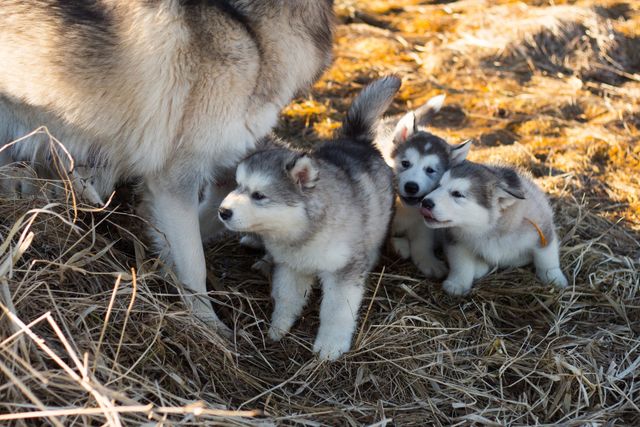
One of the most frequently cited modern examples comes from Dr. Todd Cooney, DVM, CVH, a veterinarian who has extensively documented his use of homeopathy and nosodes in practice. Over the course of many years, Dr. Cooney reported observations involving more than 1,500 puppies receiving parvovirus nosodes as part of their preventive protocols.
According to his published observations, significant changes occurred after transitioning from monthly administration to weekly administration during the highest-risk developmental periods. Most notably, he reported dramatic reductions in parvovirus incidence among puppies receiving the protocol and no deaths among affected puppies that had consistently received weekly nosodes through approximately seven to nine months of age.
Critics point out that these observations were not generated through randomized, placebo-controlled clinical trials. Variables such as breeding practices, nutrition, environmental conditions, genetic influences, and reporting bias must always be considered. Yet another reality is equally important. The observations involve a large number of animals followed over an extended period of time. At minimum, they represent a dataset worthy of thoughtful examination.
Supporters of nosodes view these outcomes as evidence that something biologically meaningful may be occurring. And while critics argue that additional controlled studies are needed to draw firm conclusion, what cannot be disputed is that the observations themselves exist.
Reports from Holistic Veterinary Practice
Beyond Dr. Cooney’s work, numerous holistic veterinarians report utilizing nosodes as part of broader preventive health programs. One of the greatest challenges in evaluating these reports is that nosodes are rarely used in isolation. Practitioners who employ them often simultaneously recommend fresh diets, reduced chemical exposure, extensive outdoor activity, microbiome support, and individualized healthcare protocols. This creates an important limitation.
When favorable outcomes occur, it can be difficult to determine which factors contributed most significantly. At the same time, it reflects the reality of how natural rearing is actually practiced. Health interventions rarely occur one at a time. They occur within systems.
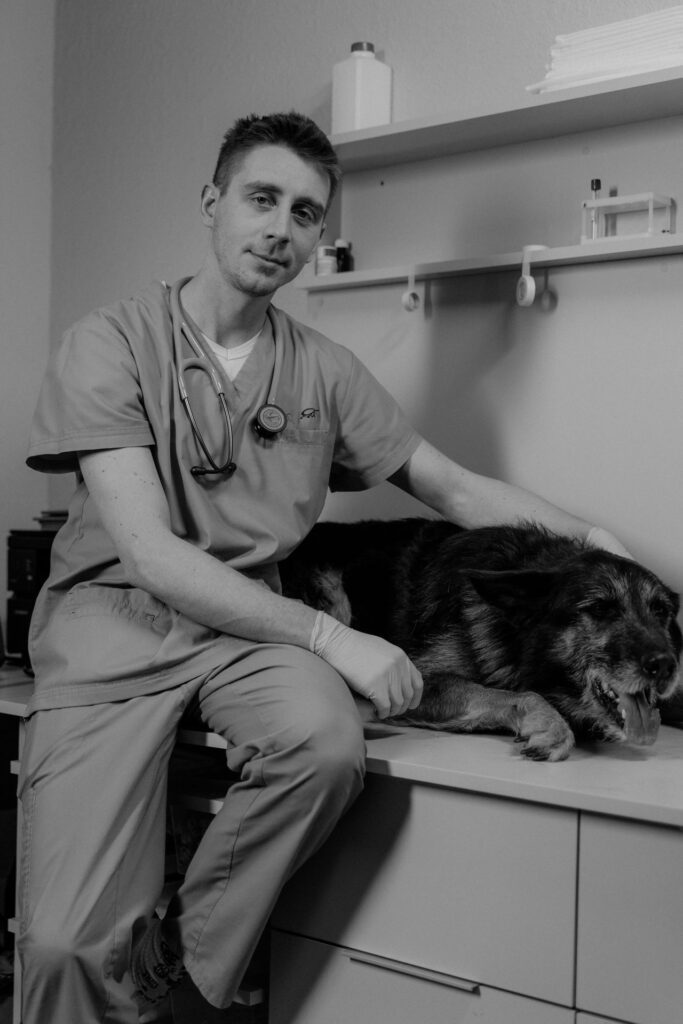
One particularly interesting example comes from heartworm prevention. My own holistic veterinarian, who has practiced for nearly five decades, reports observing numerous breakthrough cases of heartworm disease among animals receiving conventional pharmaceutical preventatives throughout his career. In contrast, he reports never encountering a heartworm-positive patient among those receiving weekly heartworm nosodes according to the protocols he recommends.
This observation does not a claim proof, nor does it deny the need for further study. Yet after nearly firty years of clinical practice, it raises a reasonable question. If these outcomes are consistently observed, should they be dismissed simply because they challenge prevailing assumptions? Or should they be investigated more thoroughly?
Observations from Breeders and Livestock Producers
Some of the largest bodies of anecdotal evidence surrounding nosodes come not from formal research institutions but from breeders, farmers, and livestock producers. This should not be surprising. These individuals often manage large numbers of animals over many years and therefore accumulate substantial observational experience.
Reports exist describing the use of nosodes in dogs, cattle, sheep, goats, horses, poultry, and other species. Supporters frequently describe reduced disease incidence, milder illness severity, improved recovery rates, or favorable herd-level outcomes. Skeptics point out that observational reports can be influenced by confirmation bias, selection bias, and countless uncontrolled variables. Yet when thousands of independent observers continue reporting similar patterns over decades, those observations become difficult to ignore entirely. They may not answer every question. But they often generate new ones.
The Challenge of Studying Complex Systems
One reason nosodes remain difficult to evaluate is that they exist within highly complex biological systems. Modern scientific research often seeks to isolate variables. One intervention. One outcome. One measurable effect. Natural rearing rarely functions that way.
A breeder utilizing nosodes may simultaneously be feeding a fresh species-appropriate diet. Supporting microbiome development. Avoiding unnecessary antibiotics. Reducing chemical exposure. Encouraging natural environmental interaction. Providing extensive maternal care. Selecting breeding stock based on health and longevity. Each of these factors influences outcomes.
This complexity creates frustration for both supporters and critics. Supporters often feel that positive results are dismissed too readily. Critics may feel that causation is being attributed where it has not been demonstrated. The reality is that complex systems rarely yield simple answers. Yet complexity should not prevent investigation. In fact, it often makes investigation more important. Because at the end of the day, the question is not whether every report is correct. The question is whether enough meaningful observations exist to justify continued curiosity and investigation.
For many practitioners who have worked with nosodes for decades, the answer is a resounding yes. And that leads directly into another important question: How should we think about anecdotal evidence itself? Is it something to be dismissed? Or does it play a legitimate role in advancing scientific understanding?
Why Anecdotal Evidence Matters
Few phrases are used more dismissively in modern health discussions than: “That’s just anecdotal.” The statement is often intended to end the conversation.
If an observation is anecdotal, the implication is that it can be safely ignored. Yet history suggests the situation is not nearly so simple. Virtually every major scientific discovery began as an observation. Someone noticed a pattern. Someone observed an unexpected outcome. Someone saw something that existing explanations could not adequately account for. Only afterward did formal investigation begin. In other words, anecdotal evidence is not the endpoint of scientific inquiry. It is often the starting point.
This distinction is important because discussions surrounding nosodes frequently become polarized between two extremes. One side treats anecdotal evidence as absolute proof. The other treats anecdotal evidence as completely meaningless. Neither position is particularly useful. The reality lies somewhere in the middle.
Observation Is Not Proof
It is important to acknowledge the limitations of anecdotal evidence. Human beings are remarkably good at finding patterns, including patterns that do not actually exist. Confirmation bias, selective memory, observer expectations, and countless other influences can shape how outcomes are interpreted.
This is precisely why controlled studies exist. Randomization, blinding, and standardized protocols help reduce these sources of error. Anecdotal evidence alone cannot establish causation. A breeder may administer a nosode and observe a favorable outcome. That does not automatically prove the nosode caused the outcome. Other variables may have contributed. Nutrition may have improved. Management practices may have changed. Environmental conditions may have differed. Genetics may have played a role. These possibilities must always be considered.
Scientific rigor requires humility. But humility cuts both ways.
The Danger of Dismissing Observation
While anecdotal evidence cannot prove causation, dismissing observations entirely creates its own problems. Many of the most important advances in medicine began with patterns that were initially regarded as anecdotal. Physicians noticed that sailors consuming citrus fruits rarely developed scurvy long before vitamin C was discovered. Ignaz Semmelweis observed dramatic reductions in maternal mortality when physicians washed their hands before examining patients, decades before germ theory became widely accepted. Farmers recognized the value of crop rotation long before soil microbiology explained why it worked.
In each case, observation preceded mechanism. The individuals making those observations could not fully explain what they were seeing. That did not mean the observations lacked value. It meant further investigation was needed. Science advances not only through experiments but through curiosity. The willingness to investigate unexpected observations is often what leads to new understanding.
When Observations Accumulate
A single anecdote tells us very little. One person reporting one experience may simply reflect chance. Ten observations begin to attract attention. One hundred observations become difficult to ignore. Thousands of observations collected over decades raise increasingly important questions.This significantly increases the likelihood that something meaningful is occurring.
One of the reasons nosodes continue to generate interest is that reports are not confined to a single practitioner, a single breeder, or a single generation. Observations have accumulated across multiple countries, multiple species, and multiple decades. Veterinarians report them. Farmers report them. Breeders report them. Homeopathic physicians report them. And although critics are correct to point out that these reports vary in quality and methodology, supporters are equally justified in asking why similar patterns continue to emerge despite differences in geography, species, and practice style. The persistence of the observations itself remains noteworthy to say the least.
The Difference Between Evidence and Proof
One of the greatest sources of confusion in modern health discussions is the tendency to treat evidence and proof as though they are identical concepts. They are not.
Evidence is information that contributes to understanding. Proof is a conclusion reached after evaluating evidence.
Anecdotal observations are a form of evidence. They simply occupy a different position within the hierarchy of evidence than randomized controlled trials. The mistake occurs when people assume that evidence only counts if it meets the highest possible standard. By that logic, many important discoveries would never have been investigated in the first place.
Good science requires balancing skepticism with curiosity. Too little skepticism leads to gullibility. Too little curiosity leads to stagnation. Progress occurs somewhere between those extremes.
A Question Worth Asking
Perhaps the most important question surrounding nosodes is not whether every positive report is correct. The more useful question may be: Why do these reports continue to exist? Why do practitioners who have devoted decades to animal health continue using nosodes? Why do breeders continue incorporating them into their programs? Why do holistic veterinarians report outcomes that challenge conventional expectations? These are legitimate, and legitimate questions deserve investigation.
Unfortunately, investigating them leads directly into another challenge. Even if researchers wanted to conduct large-scale studies on nosodes, who would pay for them? That question brings us to one of the least discussed aspects of the entire debate: research funding.
The Research Funding Problem
One of the most common criticisms leveled against nosodes is that there are relatively few large, randomized, placebo-controlled studies supporting their use. This observation is factually correct. Compared to pharmaceuticals, vaccines, and other conventional interventions, the body of large-scale research on nosodes is limited.
But a follow-up question is rarely asked: Why?
Many people assume that if something has not been extensively studied, it must be because researchers have investigated it and found it lacking. Sometimes that is true. But sometimes another explanation exists.
Research is expensive. Very expensive. Conducting a large-scale veterinary clinical trial can cost hundreds of thousands or even millions of dollars. Designing the study, recruiting participants, collecting data, analyzing results, publishing findings, and navigating regulatory requirements all require substantial financial investment. Someone has to pay for that process.
This is the reality that influences nearly every area of modern medicine. Pharmaceutical companies invest heavily in research because successful products can generate substantial revenue. Medical device manufacturers fund studies because positive results may support future sales. Pet food companies sponsor nutrition research because favorable findings can strengthen market position. This does not automatically invalidate the research produced by these industries. Many important discoveries have emerged through industry-funded science. However, it does highlight an important reality: Funding tends to follow financial incentives.
Nosodes present a unique challenge within this system. They are inexpensive. They cannot easily be patented. They generate relatively little recurring revenue. And they have been available for generations. From a purely economic perspective, there is limited incentive for a corporation to spend millions of dollars investigating a product that offers little opportunity for exclusive ownership or substantial financial return.
This creates a situation where critics often point to the lack of large studies as evidence against nosodes. Supporters often point to the lack of funding as an explanation for why those studies have not occurred. These positions are not mutually exclusive. Both can be true at the same time. A lack of research does not establish effectiveness. But neither does it establish ineffectiveness. It simply means important questions remain unanswered.
The Difference Between “Unproven” and “Disproven”
In scientific discussions, these terms are often confused. An intervention is unproven when sufficient evidence does not yet exist to reach firm conclusions. An intervention is disproven when evidence demonstrates that it does not work. These are fundamentally different categories.
Many readers encounter statements such as: “There is no evidence that nosodes work.” Upon closer examination, what is often meant is: “There is insufficient high-level evidence to satisfy modern scientific standards.” That is a much more precise statement. Precision is important because a lack of evidence and evidence of lack are not the same thing. One reflects uncertainty. The other reflects a conclusion. Scientific integrity requires distinguishing between the two.
Questions Worth Investigating
Imagine for a moment that reports from practitioners are even partially accurate. Imagine that some portion of the observations accumulated over generations reflects a genuine biological phenomenon that has not yet been fully explained. If that were true, it would represent a significant area of veterinary medicine deserving careful study.
The challenge is that such studies are unlikely to emerge spontaneously. Someone must be willing to fund them. Someone must be willing to conduct them. And someone must be willing to investigate a topic that many have already decided is not worth investigating.
History suggests that this situation is not unique. Throughout science, important discoveries have occasionally remained overlooked because they existed outside prevailing assumptions or lacked financial incentives. Again, this illustrates why the absence of extensive research should not automatically be interpreted as the end of the conversation. Sometimes it is merely the beginning.
The Responsibility of the Practitioner
In the absence of definitive answers, practitioners are left with a difficult task. They must evaluate available evidence. They must weigh clinical observations. They must consider risks and benefits. And they must make decisions based upon the information currently available rather than the information they wish existed.
This is true whether one practices conventional medicine, holistic medicine, or some combination of the two. Responsible decision-making requires humility. It requires acknowledging uncertainty. It requires recognizing both the strengths and limitations of current knowledge. And perhaps most importantly, it requires remaining open to new information as it emerges.
For natural rearers, this mindset is precisely why nosodes remain part of the conversation. Not because every question has been answered. But because enough questions remain unanswered to justify continued exploration. And for some breeders, veterinarians, and animal owners, those questions are no longer purely theoretical. They are grounded in years—sometimes decades—of personal experience.
Nosodes in My Own Breeding Program

By this point, readers may be wondering a simple question:
After examining the history, controversy, criticisms, and observations surrounding nosodes, where do I personally stand?
The answer is straightforward. I use them all the time. For multiple different things. Not because I believe they are magic. Not because I believe they replace good husbandry. And certainly not because I believe a single intervention can compensate for poor nutrition, excessive chemical exposure, chronic stress, or inadequate care.
I use nosodes because, after years of studying immunity, health, disease, and natural rearing, I have concluded that they are a powerful tool worth including within a much larger framework of preventive health.
That distinction is important. Natural rearing is not built upon any single practice. It is built upon layers. Nutrition. Microbiome development. Environmental exposure. Sunlight. Fresh air. Genetic selection. Stress reduction. Minimal chemical burden. Species-appropriate living.
Nosodes exist within that larger system. They are not the foundation of the house. They are one brick among many. When critics discuss nosodes, they often imagine a breeder relying upon them while ignoring everything else. That is not how most natural rearers approach health.
In reality, many of the breeders and veterinarians utilizing nosodes are simultaneously focused on feeding fresh whole foods, supporting gut health, reducing unnecessary pharmaceutical exposure, promoting outdoor activity, and selecting breeding animals based upon long-term health and resilience. Nosodes are not viewed as a substitute for health. They are viewed as one of many supportive inputs for it.
A Different Way of Thinking About Prevention
One of the themes that has emerged repeatedly throughout this series is the difference between preventing exposure and building resilience. Modern approaches to health often focus heavily on controlling threats. Natural rearing tends to focus more heavily on strengthening the host. Those are not identical goals.
A resilient body is not one that never encounters challenges. A resilient body is one that responds with overwhelming effectiveness when challenges inevitably arise. That perspective has shaped how I evaluate every aspect of my breeding program.
When I look at nutrition, I ask whether it supports resilience. When I evaluate chemical exposures, I ask whether they strengthen or weaken the body’s ability to regulate itself. When I consider interventions, I ask whether they support long-term health or simply provide short-term convenience. Nosodes fit into that framework because they align with a broader philosophy of working with the body’s natural systems rather than continuously overriding them.
The Scope of Nosode Use
Many people are surprised to learn that nosodes exist for far more than parvovirus and distemper. Today, homeopathic practitioners utilize nosodes associated with a wide variety of conditions, including:
- Canine Distemper
- Kennel cough
- Leptospirosis
- Lyme disease
- Heartworm
- Coccidia
- Giardia
- Various respiratory illnesses
- Numerous livestock diseases
The list is extensive, and the important point is that their use is not limited to a handful of conditions. They represent an entire category of homeopathic preventive approaches that have persisted for generations.
What My Veterinarian Has Observed
Perhaps one of the most influential factors in my own thinking has been the experience of my holistic veterinarian. With nearly fifty years of clinical practice behind him, he has observed trends that many younger practitioners have not yet had the opportunity to see across multiple decades.
One observation he frequently shares involves heartworm prevention. Over the course of his career, he reports seeing numerous breakthrough cases of heartworm disease among animals receiving conventional pharmaceutical preventatives. This should not be entirely surprising. Resistance is a well-documented biological phenomenon. Whenever organisms are exposed repeatedly to the same control measures over long periods of time, selective pressures often emerge.
Yet despite observing breakthrough cases associated with conventional prevention, he reports never encountering a heartworm-positive patient among those consistently receiving weekly heartworm nosodes according to the protocols he recommends. Does this prove that heartworm nosodes work? No. Clinical observations alone cannot establish causation. But after nearly five decades of practice, such observations deserve thoughtful consideration. At minimum, they raise questions that warrant further investigation.
Why I Continue Using Them
If there were overwhelming evidence demonstrating that nosodes were ineffective, I would have no reason to continue using them. If practitioners across generations consistently reported poor outcomes, I would have no reason to continue using them. If my own observations contradicted their use, I would have no reason to continue using them.
Instead, I find myself confronted with a different reality. I see generations of holistic veterinarians continuing to utilize them. I see breeders reporting favorable outcomes. I see observational data such as that reported by Dr. Todd Cooney. I see decades of accumulated clinical experience that many practitioners believe deserves serious consideration. And importantly, I see no compelling reason to dismiss those observations simply because they challenge conventional assumptions.
That does not mean I accept every claim uncritically. Quite the opposite. I believe healthy skepticism is valuable. But skepticism should lead us to investigate more deeply, not to stop asking questions altogether. For me, nosodes remain part of a responsible natural rearing program because the totality of evidence available to me—including scientific literature, historical use, practitioner reports, veterinary observations, and personal experience—suggests that they deserve a place at the table. Not as a miracle. Not as a guarantee. But as one potentially valuable tool among many in the ongoing pursuit of building healthier, more resilient dogs.
What Nosodes Are Not
One of the greatest obstacles to productive discussions about nosodes is misunderstanding. Supporters may overstate what nosodes can accomplish. Critics sometimes assume claims are being made that most practitioners never intended to make in the first place. Before going further, it is worth clarifying what nosodes are not.
Nosodes Are Not Antibiotics
Antibiotics work by directly interfering with bacterial growth and reproduction. Their mechanisms are well understood. They contain measurable active compounds. They produce effects that can be observed, tested, and quantified.
Nosodes do not function in this manner. No responsible practitioner would suggest that a nosode can replace appropriate treatment for a severe bacterial infection.
A dog suffering from overwhelming sepsis, a life-threatening wound infection, or another serious bacterial illness requires immediate medical attention. The discussion surrounding nosodes has never been about replacing emergency medicine. It has been about prevention, resilience, and immune support. Those are very different conversations.
Nosodes Are Not Antivirals
Likewise, nosodes are not antiviral medications. They do not directly attack viruses. They do not function like conventional pharmaceutical interventions designed to inhibit viral replication.
Practitioners who utilize nosodes generally do so because the preparations support the body’s ability to respond to disease challenges rather than because they directly eliminate pathogens. What mechanism that support occurs by remains a subject of debate. What is important is accurately representing the claim. Nosodes are not being used as pathogen-killing agents.
Nosodes Are Not Guarantees
Perhaps the most important point of all is this: Nosodes are not guarantees. Nothing in biology comes with guarantees. Not vaccines. Not pharmaceuticals. Not supplements. Not nutrition. Not genetics.Every
Every intervention carries limitations. Every biological system contains variability. Every health strategy involves uncertainty. One of the mistakes sometimes made by both supporters and critics is treating health as though it should produce perfect outcomes. Real life does not work that way.
A dog can be vaccinated and still become ill. And yes, that does happen. A dog can receive pharmaceutical prevention and still develop disease. A dog can be fed an excellent diet and still experience health challenges. Biology is complex. Natural rearing does not seek perfection. It seeks optimization. Nosodes should be understood within that same context.
Nosodes Are Not a Substitute for Good Husbandry
This point cannot be emphasized strongly enough. No nosode can compensate for poor nutrition. No nosode can compensate for chronic stress. No nosode can compensate for overcrowding, unsanitary conditions, inadequate socialization, excessive chemical exposure, or poor breeding decisions.
The most successful natural rearing programs are not built around nosodes. They are built around fundamentals. Fresh food. Healthy mothers. Robust microbiomes. Outdoor exposure. Appropriate exercise. Thoughtful breeding decisions. Clean environments. Species-appropriate living.
When favorable outcomes are reported within natural rearing programs, it is often impossible to separate nosodes from the larger context in which they are being used. And perhaps that is exactly the point. Health rarely results from a single intervention. It emerges from the cumulative effect of many small decisions made consistently over time.
Nosodes Are Not a Replacement for Critical Thinking
If there is one principle that should guide every discussion in this series, it is this: Do not take anyone’s word for it. Not mine. Not your veterinarian’s. Not a pharmaceutical company’s. Not a homeopath’s. Not a breeder’s.
Learn to ask questions. Learn to evaluate evidence. Learn to understand how studies are conducted. Learn to recognize limitations. Learn to distinguish between observation, theory, evidence, and proof. The goal is not blind acceptance. The goal is informed decision-making. Unfortunately, modern discussions often pressure people into choosing sides. You are either “for” something or “against” it. Science works best when we resist that temptation.
The most productive position is often one of thoughtful curiosity. What do we know? What do we not know? What evidence exists? What evidence is missing? What questions remain unanswered? Nosodes should be approached with the same mindset. Not as an article of faith. Not as a subject of ridicule. But as a topic worthy of honest investigation. And perhaps that is why so many natural rearers continue to use them despite the controversy. The discussion is not really about certainty. It is about possibility.
Why Natural Rearers Continue to Use Them

After examining the history, controversy, criticisms, observations, and unanswered questions surrounding nosodes, a reasonable question remains: Why do natural rearers continue to use them? The answer is not as simple as many people assume.
Contrary to popular belief, most natural rearers are not interested in nosodes because they are looking for a replacement for vaccines. Nor are they seeking shortcuts. The interest in nosodes emerges from a fundamentally different way of thinking about health itself.
At the heart of natural rearing is a simple question: What if our primary goal should not be preventing exposure? What if our primary goal should be building resilience? This distinction changes everything.
A Philosophy Built Around the Host
Much of modern medicine focuses on identifying threats and controlling them. Pathogens are viewed as the primary problem. Interventions are designed to neutralize those threats.
Natural rearing approaches the same issue from a different angle. Rather than asking only: “How do we eliminate the threat?” Natural rearers also ask: “How do we strengthen the host?” How do we build an animal capable of responding effectively when exposure occurs? How do we support the systems that regulate immunity? How do we improve the body’s ability to adapt? How do we reduce unnecessary burdens on those systems?
These questions lead naturally toward discussions about nutrition, microbiome development, environmental exposure, stress reduction, and toxic burden. Nosodes enter the conversation because they are perceived by many natural rearers as another tool that may support this broader goal. Whether one agrees with that assessment or not, understanding the philosophy behind it is essential.
Looking at the Whole System
One of the recurring themes throughout this series has been the concept of the internal terrain. The terrain model does not deny the existence of pathogens. Rather, it recognizes that exposure alone does not determine outcome. Two dogs may encounter the same organism. One becomes seriously ill. The other experiences little or no clinical disease. Why? The answer often lies within the condition of the host.
Nutrition. Immune regulation. Microbiome diversity. Stress levels. Genetics. Environmental conditions. Inflammatory burden. All of these factors influence how the body responds. Natural rearers spend considerable time focusing on these variables because they recognize that health is rarely determined by a single event. Instead, it is the cumulative result of countless interactions occurring within a living system.
Nosodes fit into this perspective because they are viewed as influencing the host’s ability to recognize and respond to challenges rather than simply attempting to eliminate those challenges directly.
Minimizing Chemical Burden
Another principle that frequently guides natural rearing is the desire to reduce unnecessary chemical exposure whenever practical and responsible to do so. This does not mean rejecting all pharmaceuticals. There are situations where conventional medicine is lifesaving and absolutely appropriate. Emergency medicine. Surgery. Trauma care. Severe infections. These interventions save lives every day. Natural rearers generally recognize this reality.
At the same time, many are concerned about cumulative chemical burden. As discussed in previous articles, animals today are exposed to an unprecedented number of synthetic compounds. Pesticides. Herbicides. Preservatives. Environmental contaminants. Cleaning products. Artificial fragrances. Food additives. Pharmaceuticals. Each individual exposure may appear insignificant. Yet over a lifetime, those exposures accumulate.
Many natural rearers therefore seek opportunities to reduce unnecessary interventions when reasonable alternatives exist. Nosodes are often viewed through this lens. Not as a rejection of science. But as part of a broader effort to support health while minimizing cumulative toxic burden.
Respecting the Intelligence of the Immune System
Perhaps more than anything else, natural rearing is rooted in a deep respect for the remarkable capabilities of the immune system itself. The immune system is not passive. It is not fragile. It is not waiting helplessly for human intervention. It is one of the most sophisticated adaptive systems found in nature.
Every day it evaluates threats. Processes information. Coordinates responses. Builds memory. Maintains balance. Communicates with the microbiome. Interacts with the nervous system. Influences inflammation. Supports healing. The more researchers learn about immunology, the more astonishing this complexity appears.
Natural rearers often view nosodes as consistent with this broader understanding. Rather than forcing a response, the intention is to provide information and allow the body to determine how that information should be integrated. Whether this interpretation is ultimately validated by future research remains to be seen. But it helps explain why nosodes continue to resonate with many people who view health as a dynamic, self-regulating process rather than a series of isolated interventions.
The Thread Connecting the Entire Series
When viewed in isolation, nosodes can seem like an unusual and highly controversial topic. When viewed within the context of natural rearing, however, they become part of a much larger picture.
Nutrition influences the microbiome. The microbiome influences immune function. Immune function influences resilience. Resilience influences disease outcomes. Environmental exposure shapes immune education. Maternal health influences future generations. Chemical burden influences regulation and recovery. Each piece connects to the next. Nosodes represent one piece of that puzzle.
For natural rearers, they are not the centerpiece. They are simply another expression of a larger belief: That health is best built from the inside out. And that belief leads us to the most important question of all.
Not whether nosodes are accepted. Not whether they are controversial. But whether we are willing to investigate ideas that challenge our assumptions in the pursuit of healthier animals.
The Real Question
By now, some readers may be wondering where this article ultimately lands.
Are nosodes effective? Are they ineffective? Should they be used? Should they be avoided? Those questions are understandable. They are also, in some ways, the wrong questions. Not because they are unimportant, but because they overlook a larger issue.
The most important question raised by the nosode discussion is not whether every claim made by supporters is correct. Nor is it whether the criticism made by skeptics is justified. The most important question is whether we are still willing to investigate observations that challenge our assumptions. Science is often portrayed as a collection of facts. In reality, science is a process. A process built upon questioning. Observation. Curiosity. Testing. Revision. And sometimes, uncomfortable uncertainty.
The moment we stop asking questions because we believe we already know the answers is the moment scientific progress begins to slow. Throughout history, some of the greatest advances in medicine emerged because someone was willing to examine a possibility that others dismissed. Not every unconventional idea proved correct. Many did not. But many did. And there was no way to know which was which without investigation. That principle remains just as important today as it was centuries ago.
The Difference Between Skepticism and Dismissal
Healthy skepticism is one of science’s greatest strengths. Skepticism asks: What evidence supports this claim? How was the data collected? What alternative explanations exist? What variables may have influenced the outcome?
These are excellent questions. They improve the quality of our understanding. Dismissal, however, is something different. Dismissal occurs when questions are rejected before they are examined. When observations are ignored because they conflict with prevailing assumptions. When inquiry stops before investigation begins. The distinction matters because skepticism advances knowledge. Dismissal often protects existing beliefs.
One of the challenges surrounding nosodes is that discussions frequently jump directly from skepticism to dismissal. The topic becomes emotionally charged. Positions become entrenched. People stop listening. And opportunities for learning are lost. Regardless of where one ultimately stands on nosodes, this pattern should concern anyone who values scientific inquiry. Questions deserve investigation. Not because they are comfortable but because they are questions.
What We Actually Know
One of the themes that has emerged repeatedly throughout this Natural Rearing series is the importance of distinguishing between what we know and what we assume.
We know that immune systems are extraordinarily complex. We know that nutrition influences immune function. We know that microbiome diversity influences health outcomes. We know that environmental exposure helps educate developing immune systems. We know that stress affects disease susceptibility. We know that chronic inflammation influences long-term health. We know that animals exposed to identical pathogens often experience dramatically different outcomes. We know that resilience matters. We also know that practitioners continue reporting observations involving nosodes. We know those observations span generations and centuries. We know they occur across multiple species. We know they continue despite decades of criticism. Beyond that, uncertainty remains. The precise mechanisms remain unclear. The body of high-level research remains limited. Important questions remain unanswered. Recognizing uncertainty is not a weakness. It is an expression of intellectual honesty.
Curiosity Is Not the Enemy of Science
One of the strangest misconceptions in modern health discussions is the idea that curiosity somehow threatens science. The opposite is true.
Curiosity is the engine that drives science forward. Without curiosity, there would be no hypotheses. Without hypotheses, there would be no experiments. Without experiments, there would be no discoveries. Every field of knowledge began with someone asking a question. The discussion surrounding nosodes should be approached in the same spirit. Not with blind belief. Not with blind rejection. But with curiosity.
What are practitioners observing? Why are they observing it? What explanations have been proposed? What evidence exists? What evidence is missing? What should be studied next? These questions do not require agreement. They require openness.
A Responsibility to Future Generations
Perhaps the most important reason to remain curious is that our decisions do not affect only the animals standing in front of us today. They affect future generations.
One of the recurring themes of natural rearing is the recognition that health is cumulative. The choices we make regarding nutrition, environmental exposure, breeding selection, microbiome development, chemical burden, and immune education influence not only individual animals but entire bloodlines.
This perspective encourages long-term thinking. It asks us to consider outcomes measured not merely in months or years but in generations. The same principle applies to knowledge itself. Future generations inherit not only our dogs. They inherit our questions. They inherit our assumptions. And they inherit our willingness—or unwillingness—to investigate ideas that challenge conventional thinking.
The goal is not to be contrarian. The goal is not to reject established knowledge. The goal is to remain open to learning because history repeatedly reminds us that today’s certainty sometimes becomes tomorrow’s revision.
Conclusion: Building Health From the Inside Out

As this series has unfolded, one theme has emerged again and again. Health is not a single decision. It is not a single product. It is not a single vaccine, supplement, medication, diet, or protocol. Health is a process. It is the cumulative result of thousands of interactions occurring within a living system every single day.
The food an animal eats. The microbes it encounters. The stress it experiences. The sunlight it absorbs. The chemicals it is exposed to. The quality of its sleep. The strength of its immune system. The resilience of its microbiome. The health of its parents. The choices made by those entrusted with its care. All of these factors matter. And all of them interact.
That reality is what makes discussions about nosodes both fascinating and challenging. Because at their core, nosodes force us to confront a larger question: How much do we truly understand about health? Modern medicine has achieved extraordinary things. Countless lives have been saved through advances in surgery, emergency care, diagnostics, sanitation, nutrition, and infectious disease management. These accomplishments deserve recognition and respect. Yet at the same time, biology continues to humble us.
The more we learn about the microbiome, the more we realize how much remains unknown. The more we study immunology, the more complex it becomes. The more we investigate chronic disease, inflammation, and environmental influences, the more interconnected everything appears. Perhaps that is why discussions surrounding nosodes continue to persist despite centuries of controversy. Not because every question has been answered but because so many questions remain.
Throughout this article, we have examined history, theory, criticism, clinical observations, research limitations, and personal experience. Reasonable people may read the same information and arrive at different conclusions. That is perfectly acceptable. The purpose of this discussion was never to eliminate disagreement. The purpose was to encourage thoughtful consideration. To encourage curiosity. To encourage investigation. And perhaps most importantly, to encourage personal responsibility. Because no matter where one stands on nosodes, vaccines, nutrition, pharmaceuticals, or any other aspect of health, one truth remains constant: No one will ever care about your dog’s health more than you do.
Not a breeder. Not a veterinarian. Not a pharmaceutical company. Not a government agency. Not a researcher. You are your dog’s advocate.
That responsibility requires more than simply following instructions. It requires asking questions. It requires reading.It requires learning. It requires remaining open to new information while maintaining the humility to recognize that none of us possess all the answers. The healthiest skepticism is not the kind that rejects everything. Nor is it the kind that accepts everything. The healthiest skepticism asks questions and follows the evidence wherever it leads.
Perhaps that is the greatest lesson natural rearing has taught me. Not that nature has all the answers. And certainly not that modern medicine has all the answers. But that both have something important to teach us.
Nature teaches resilience. Science teaches investigation. Together, they invite us into a deeper understanding of health than either can provide alone.
Whether future research ultimately validates the observations surrounding nosodes remains to be seen. That is the work of science. But until those answers arrive, I believe the most productive path forward is the same path that has driven discovery throughout history: Remain curious. Remain humble. Keep asking questions. And never stop learning. Because the future of animal health will not be built by those who already believe they have all the answers. It will be built only by those willing to continue searching for them.
Key Terms & Definitions
Nosode
A homeopathic preparation made from diseased tissue, pathological secretions, infectious material, or laboratory cultures associated with a particular illness. Nosodes are prepared through repeated dilution and succussion and are used within homeopathic medicine as a means of supporting the body’s response to disease challenges.
Homeopathy
A system of medicine developed by Dr. Samuel Hahnemann based upon the principle of “like cures like,” which proposes that substances capable of producing symptoms in healthy individuals may help stimulate healing in individuals experiencing similar symptoms when prepared in highly diluted forms.
Succussion
The vigorous shaking process used during the preparation of homeopathic remedies and nosodes. Homeopathic practitioners believe succussion plays a critical role in the preparation of the remedy.
Potentization
The process of serial dilution and succussion used to create homeopathic remedies and nosodes.
Hormesis
A biological phenomenon in which low levels of a stressor stimulate adaptive or beneficial responses while higher levels may be harmful.
Immune Resilience
The body’s ability to appropriately recognize, respond to, and recover from immune challenges.
Immune Regulation
The process by which the immune system balances activation and suppression to maintain health and avoid excessive inflammation.
Internal Terrain
A holistic concept referring to the overall condition of the body’s internal environment, including nutrition, microbiome health, immune function, stress levels, and toxic burden.
Anecdotal Evidence
Information based upon personal observations or experiences rather than controlled scientific studies.
Randomized Controlled Trial (RCT)
A scientific study design that randomly assigns participants to treatment or control groups in order to minimize bias and determine whether an intervention causes a measurable effect.
Placebo Effect
An improvement resulting from expectations rather than from the treatment itself. While often discussed in human medicine, placebo-related observer bias can also influence how outcomes are interpreted in veterinary settings.
Pathogen
An organism capable of causing disease, including bacteria, viruses, fungi, and parasites.
Microbiome
The community of microorganisms living within and on the body that influences digestion, immunity, metabolism, inflammation, and overall health.
Homeopathic Prophylaxis
The use of homeopathic remedies or nosodes with the goal of supporting the body’s response to future disease exposure.
Frequently Asked Questions
Are nosodes vaccines?
No. Nosodes and vaccines are prepared differently and are based upon different theories of action. Vaccines work by stimulating adaptive immune responses through exposure to antigens. Nosodes are homeopathic preparations created through serial dilution and succussion.
Can nosodes guarantee protection from disease?
No. Nothing in biology provides absolute guarantees. Supporters of nosodes view them as one component of a broader health strategy rather than a guaranteed form of protection.
Why are nosodes controversial?
Nosodes are controversial because their proposed mechanisms do not fit neatly within conventional pharmacological models, and relatively few large-scale randomized controlled trials have been conducted to evaluate their effectiveness.
Do veterinarians use nosodes?
Many holistic and homeopathic veterinarians utilize nosodes regularly, while most conventionally trained veterinarians do not.
Why haven’t nosodes been studied more extensively?
The simplest explanation is that nosodes are inexpensive and difficult to patent, creating limited financial incentive for large-scale commercial research.
Are nosodes used only for parvovirus?
No. Nosodes exist for numerous conditions including parvovirus, distemper, kennel cough, leptospirosis, Lyme disease, heartworm disease, giardia, and many livestock diseases.
Can nosodes replace emergency veterinary care?
No. Nosodes are not antibiotics, antivirals, or emergency medical treatments. Serious illness always warrants appropriate veterinary evaluation and care.
Why do natural rearers use nosodes?
Many natural rearers view nosodes as one tool among many for supporting immune resilience while minimizing unnecessary chemical exposure.
References & Further Reading
Historical & Homeopathic Sources
- Hahnemann, S. The Organon of Medicine.Shepherd
- Shepherd, D. Homeopathy in Epidemic Diseases.
- Kent, J.T. Lectures on Homeopathic Philosophy.
- Pitcairn, R. Dr. Pitcairn’s Complete Guide to Natural Health for Dogs and Cats.
- Cooney, T. DVM, CVH. Observations on Parvovirus Nosode Use in Canine Populations.
Immunology & Veterinary Medicine
- Tizard, I. Veterinary Immunology: An Introduction.
- Day, M.J. Veterinary Immunology and Immunopathology.
- Greene, C.E. Infectious Diseases of the Dog and Cat.
- Schultz, R.D. Duration of Immunity Studies.
- Dodds, W.J. Vaccine and Titer Research.
Microbiome & Systems Biology
- Gilbert, J.A. et al. The Human Microbiome and Health.
- Rook, G.A.W. The Hygiene Hypothesis and Immune Regulation.
- Calabrese, E.J. & Baldwin, L.A. Hormesis: The Dose Response Revolution.
