Busting Myths, Calming Fears, and Returning to What Dogs Were Designed to Eat
Raw feeding is one of the most misunderstood topics in modern dog care. It is often framed as extreme, dangerous, or unnecessary, despite being the only diet that aligns with canine anatomy, physiology, and evolutionary history.
At Corn Moon, we don’t feed our Medicine Dogs raw because it’s trendy.
This article is intentionally comprehensive. It addresses the most common fears, myths, and objections surrounding raw feeding; not with hype, but with biology, observation, and reason.
Myth #1: “Dogs Can’t Eat Bones”
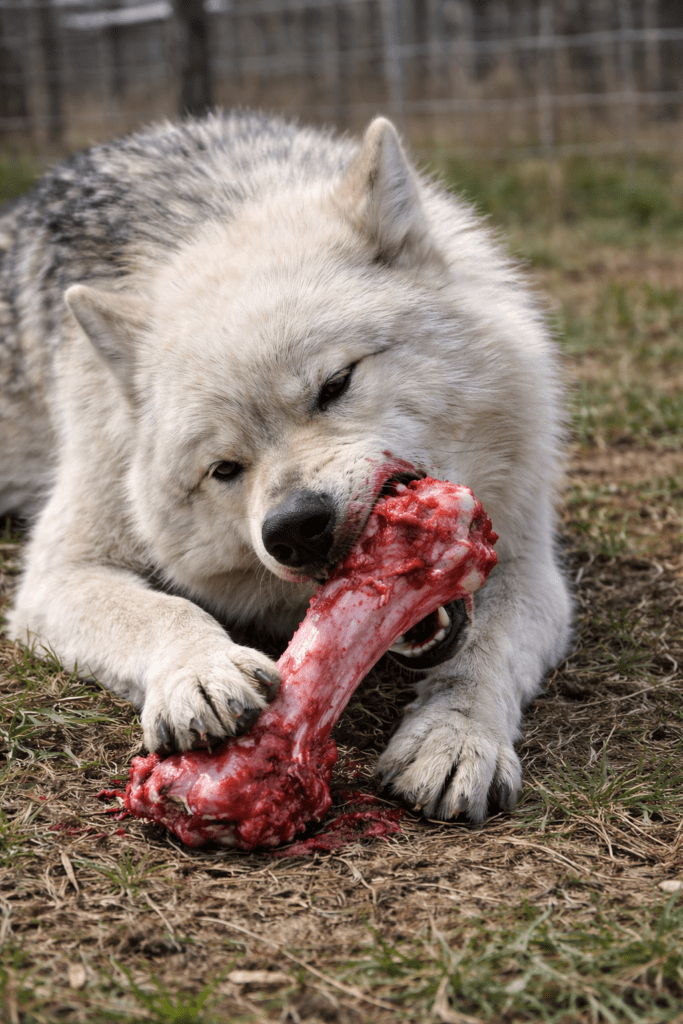
This is one of the most persistent myths, and one of the easiest to disprove when you understand canine anatomy.
Dogs are designed to eat raw bone.
- Their teeth form a scissor-like bite, not a grinding surface
- Their jaw moves up and down, not side to side
- Their bite pressure is immense
- Their stomach acid is far more acidic than ours
Raw bones are pliable, not brittle. They are meant to be crushed, sheared, and consumed along with meat, connective tissue, cartilage, and marrow.
Cooked bones are dangerous. Raw bones are essential.
Removing bones from a dog’s diet deprives them of:
- Calcium and phosphorus in the correct biological ratio
- Dental cleaning through natural abrasion
- Jaw engagement and neurological satisfaction
- One of their most fundamental instinctual needs
Ground meat alone is not enough. Dogs need to chew. They need resistance. They need to tear and crush.
A whole carcass like rabbit, poultry, or a small ruminant, is not dangerous to a healthy adult dog. It is correct.
Myth #2: “Raw Feeding Causes Parasites”
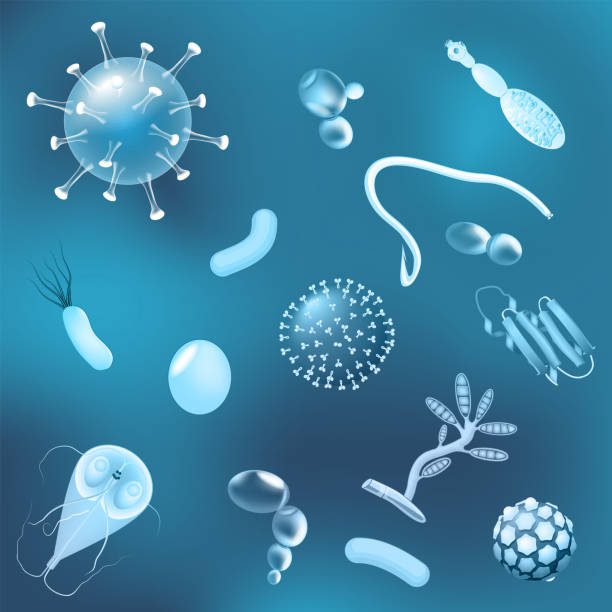
This fear is understandable. It’s also largely unfounded.
Parasite risk from raw feeding is extremely low when food is:
- Properly sourced
- Frozen before feeding
- Derived primarily from herbivorous prey animals
Important context:
- Herbivores carry far fewer parasites than omnivores or carnivores
- Freezing raw meat significantly reduces parasite viability
- Commercial raw diets and human grade meats are already frozen and handled under food-safety protocols
Wild game harvested fresh (such as deer) can require different handling, but that is not what most people are feeding daily.
Meanwhile, dogs routinely:
- Drink from puddles
- Lick their paws
- Eat feces
- Groom themselves
Yet parasites are blamed on raw feeding and not on the realities of canine behavior.
In practice, kibble or processed-food-fed dogs experience parasites more frequently, largely due to:
- Weakened gut terrain
- Chronic inflammation
- Poor mineral balance
A resilient gut resists parasites. Raw feeding builds resilience.
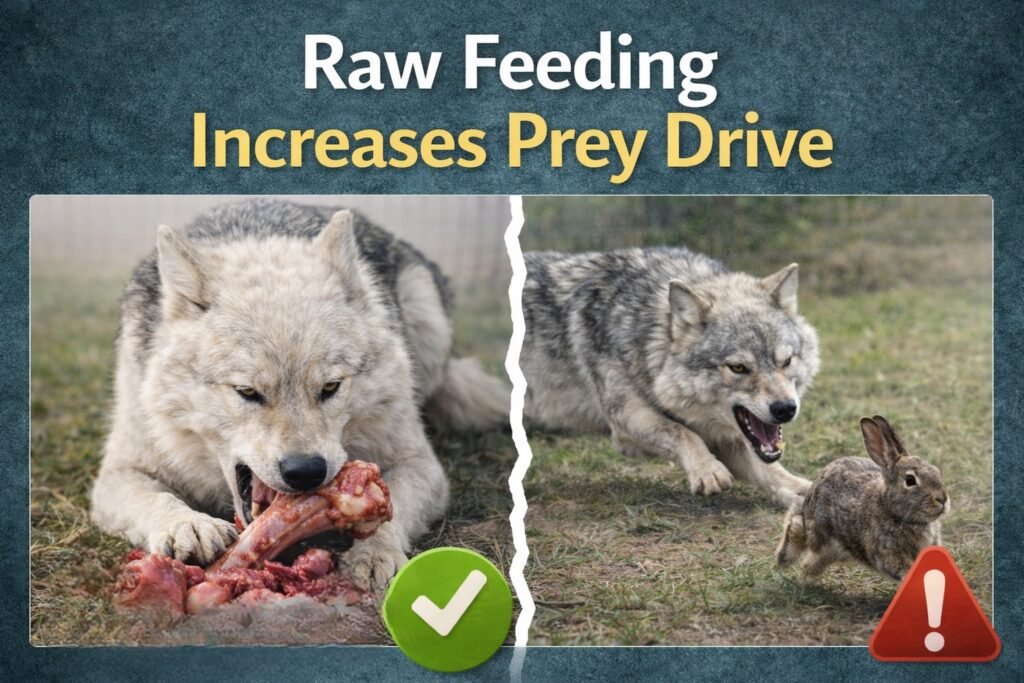
Myth #3: “Raw Feeding Increases Prey Drive”
This myth is emotionally charged and biologically backward.
Meeting a dog’s natural needs does not increase predatory behavior. Suppressing those needs does.
When dogs lack:
- Proper nutrition
- Chewing outlets
- Biological satisfaction
Their energy seeks expression elsewhere, often as:
- Reactivity
- Fixation
- Anxiety
- Obsessive behaviors
A raw-fed dog with its needs met is often calmer, not more driven.
We’ve seen this firsthand, including rescue dogs returned out of fear, not fact. Eating mutton does not make a dog “want to kill sheep.” It fulfills a nutritional role that stabilizes the nervous system.
Fulfillment reduces compulsion. Suppression creates it.
Myth #4: “Raw Feeding Is Nutritionally Incomplete”
This myth usually comes from the idea that dogs need synthetic supplementation to survive.
Reality:
- Whole prey is a complete diet
- Nutritional gaps only appear when humans fragment the diet (muscle meat only, no bone, no organs)
- Supplements exist to correct processed diets, not ancestral ones
Nature balanced nutrition long before kibble companies existed.
Kibble, Carbohydrates, and Behavioral Change
Dogs have no biological requirement for carbohydrates.
Ideally:
- Carbs should make up 1% or less of the diet
- Kibble requires high starch content to be manufactured
Starch:
- Spikes blood sugar
- Drives insulin demand
- Alters behavior
- Promotes addiction
Yes. Dogs become carb-addicted, just like humans.
This is why:
- Dogs resist transitioning to real food
- Picky eating develops
- Hyperactivity and anxiety increase
In spayed or neutered dogs who already have approximately 25% less endocrine function, this strain is amplified.
Raw feeding supports hormonal balance rather than taxing it.
Myth #5: “You’ll Create a ‘Picky’ Dog”
Many owners fear that once a dog eats real food, they’ll refuse anything else.
Reality:
- Preference ≠ pathology
- Refusing ultra-processed food after eating real food is discernment, not pickiness
- “Picky eaters” are most common in kibble-fed dogs, not raw-fed ones
Dogs fed biologically appropriate diets typically have:
- Strong appetite
- Clear hunger/satiety cues
- Less food obsession
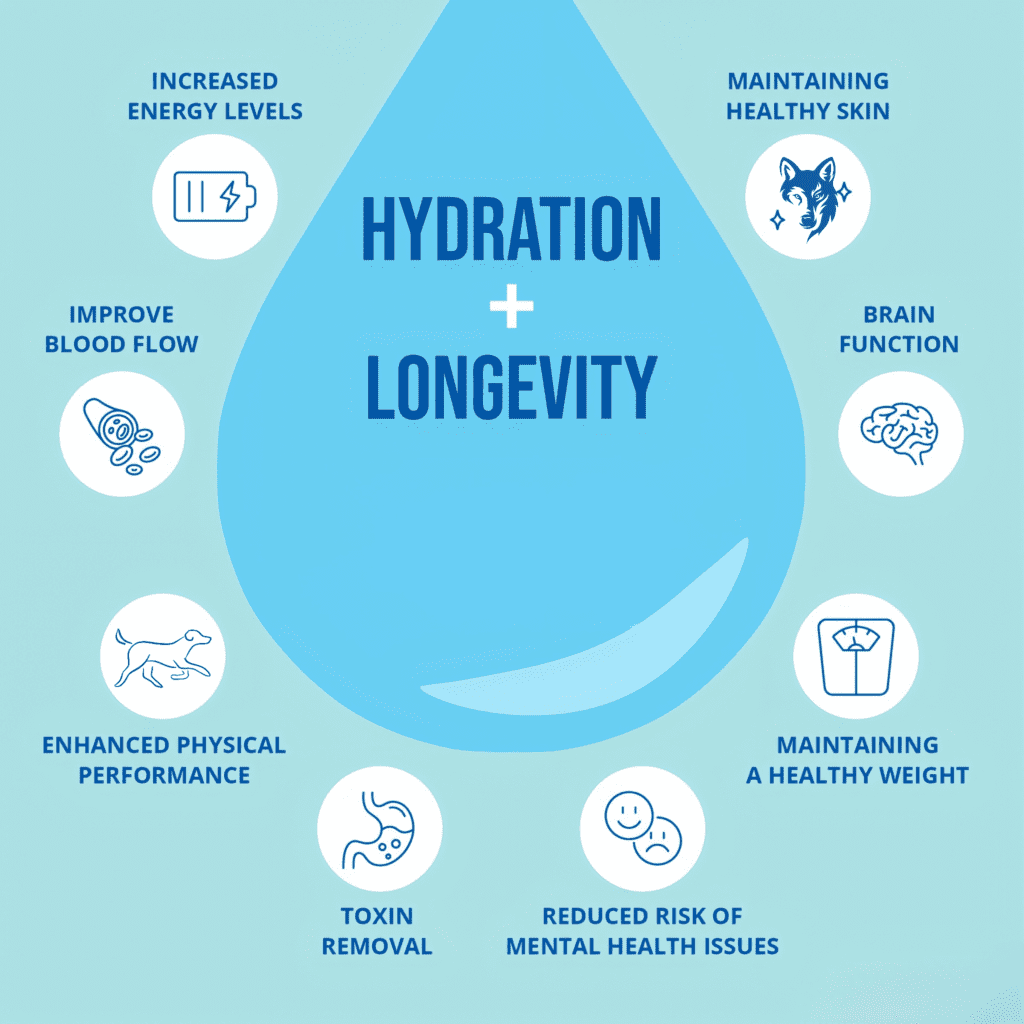
Moisture Matters: Water Is Not the Same as Hydration
Dry food removes natural moisture from the diet. Adding water back later does not recreate hydration.
Why?
- Hydration depends on minerals and electrolytes
- Minerals carry electrical charge
- Electrical charge drives cellular communication
Raw food contains bioavailable moisture bound to minerals. This is the form the body recognizes.
This is why raw-fed dogs often show:
- Better kidney values
- Healthier urinary tracts
- Improved circulation
- Greater vitality
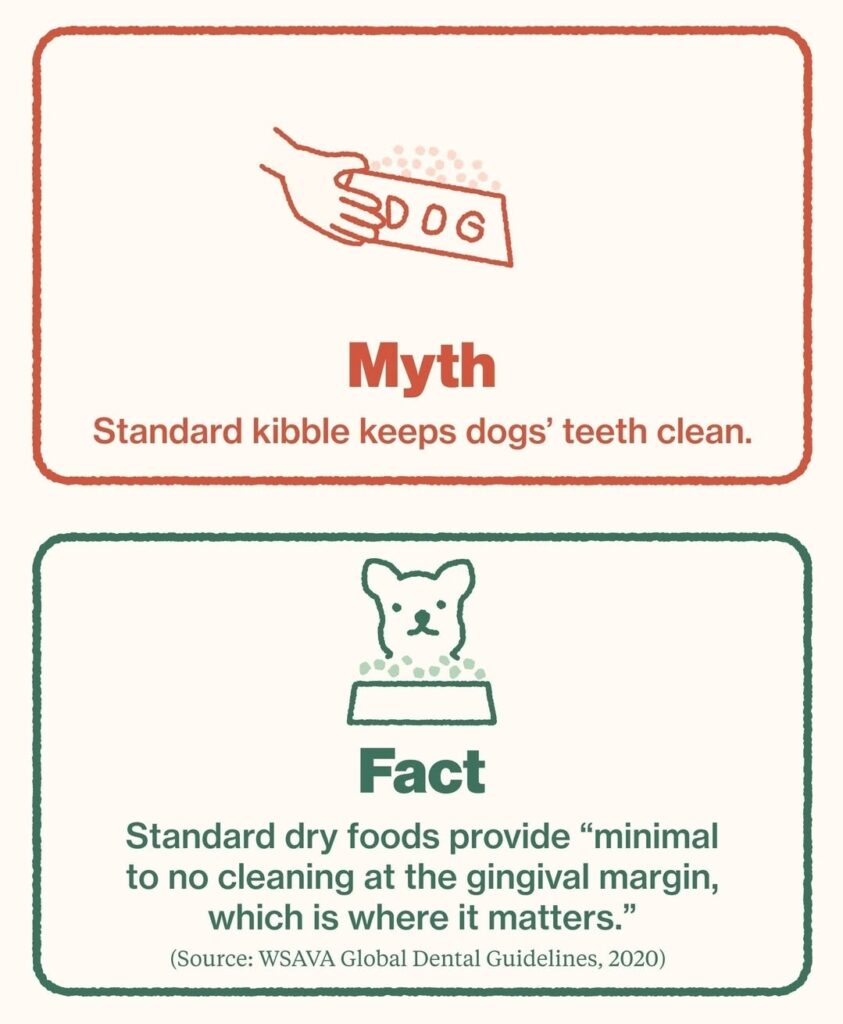
Dental Health: No Brushing Required
Raw-fed dogs almost universally have:
- Cleaner teeth
- Healthier gums
- Less tartar
- No chronic bad breath
Chewing raw meaty bones naturally:
- Scrapes teeth
- Stimulates gums
- Prevents periodontal disease
Dental disease is diet-created, not inevitable.
Anal Glands, Digestion, and Gut Health
A biologically appropriate diet produces:
- Firmer stools
- Proper bowel pressure
- Natural anal gland expression
Raw-fed stools are:
- Smaller
- Less odorous
- Compact
- Quick to decompose naturally
Many people are surprised to learn that if left untouched, raw-fed stool often dries and disintegrates within days. This isn’t just convenient. It reflects efficient digestion.
Fur, Feathers, and the Missing Pieces
Dogs evolved eating whole prey, not muscle meat alone.
Fur and feathers provide:
- Insoluble fiber
- Manganese
- Mechanical gut cleansing
- Microbial diversity
Dogs deprived of these components often experience:
- Gut imbalance
- Chronic inflammation
- Nutrient deficiencies
This is one reason whole-prey feeding produces such dramatic health improvements.
Myth #6: “Raw Feeding Is Too Rich for Puppies”
This is often used to justify feeding kibble during growth.
Reality:
- Puppies have the highest need for bioavailable nutrition
- Growth plates are protected by proper mineral ratios, not synthetic fortification
Raw feeding supports:
- Skeletal development
- Neurological growth
- Immune system programming
Poor growth outcomes are caused by imbalanced human formulations, not raw food itself.
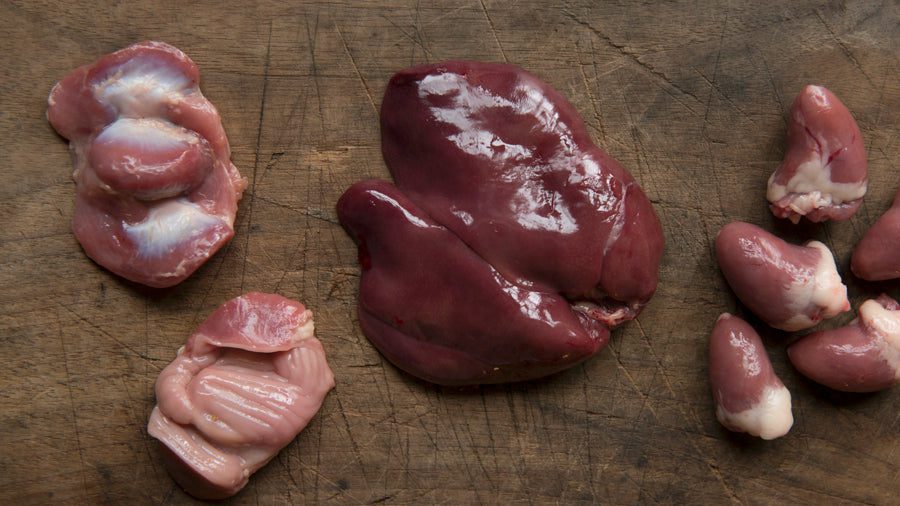
Organs: The Nutrients Dogs Are Missing
Even the “best” commercial dog foods are lacking one critical element: Organ meat.
Organs provide:
- Fat-soluble vitamins
- Trace minerals
- Enzymes
- Hormonal precursors
Without them, dogs survive but do not thrive.
Enzymes, Aging, and Systemic Burden
Raw food contains living enzymes.
These:
- Aid digestion
- Reduce pancreatic workload
- Preserve metabolic energy
Cooked and ultra-processed foods require the body to manufacture everything from scratch. Over time, that burden accelerates aging.
Myth #7: “Raw Feeding Causes Aggression or Resource Guarding”
This myth often follows fear-based narratives.
Reality:
- Resource guarding is a behavioral issue, not a dietary one
- Proper feeding structure reduces anxiety
- Dogs fed satisfying meals are often less possessive, not more
Reactivity in the form of aggression comes from:
- Stress
- Insecurity
- Unmet needs. Not meat.
Myth #8: “Dogs Will Choke on Raw Food”
This fear is usually based on human experience.
Reality:
Dogs have different jaw mechanics, different swallowing reflexes, and different airway protection.
Choking risk actually increases when:
- Food is cut too small
- Dogs gulp without resistance
- Soft processed food collapses in the throat
Whole pieces encourage chewing, which is protective.
Feeding, Fasting, and Longevity
Dogs are not designed to eat twice daily, every day. In natural settings:
- Dogs gorge
- Then fast
- Then eat again
Feast-and-fast patterns:
- Reduce inflammation
- Improve insulin sensitivity
- Support cellular repair
Many raw-fed dogs thrive on:
- Once-daily feeding
- Every-other-day feeding
This is normal, not neglect.
Myth #9: “Raw Feeding Is Dangerous for Humans”
This is often raised in homes with children or immunocompromised adults.
Reality:
- Raw meat is already handled daily in human kitchens
- Basic hygiene practices should always apply, regardless of whether meat is for dogs or people
- Kibble is frequently contaminated with pathogens, often after processing, and this can be researched with alarming results
In fact, many large kibble recalls have involved salmonella, aflatoxin, and listeria.
Bloat: Risk, Reality, and Prevention
Bloat is complex, but several facts are clear:
- There is a strong genetic component
- Kibble-fed dogs are overwhelmingly overrepresented
- Elevated feeding increases risk
- Excess gas from starch increases distension
Raw diets produce:
- Less gas
- Faster gastric emptying
- Lower fermentation
Feeding on the ground:
- Supports proper posture
- Reduces air intake
- Introduces beneficial soil microbes
Preventive education matters more than surgical intervention.

Allergies, Yeast, and Skin Health
Raw-fed dogs experience:
- Fewer allergies
- Less yeast overgrowth
- Healthier skin
This is because:
- Blood sugar stabilizes
- Inflammation decreases
- The microbiome strengthens
Yeast thrives on sugar. Remove the sugar, and the problem resolves.
Myth #10: “Dogs Need Grains”
A persistent marketing narrative.
Reality:
Dogs are fat- and protein-adapted, not carbohydrate-dependent. Energy comes from fat oxidation and amino acid metabolism.
Grains are used because they are:
- Cheap
- Shelf-stable
- Profitable
Not because they are necessary.
Sourcing Matters: Feed the Dog in Front of You
Breed history matters. For Native American Indian Dogs and similar landrace-influenced breeds, we prioritize:
- Turkey
- Quail
- Rabbit
- Fish
- Venison
- Bison
- Elk
- Moose
- Goat
- Mutton
- Beef
These proteins align with:
- Genetic memory
- Digestive tolerance
- Metabolic efficiency
Myth #11: “Raw Feeding Is Too Expensive”
This one deserves reframing.
Reality:
- Vet bills cost more than food
- Chronic disease costs more than prevention
- Many people spend more on supplements, Rx diets, and allergy meds
Raw feeding can be done:
- Seasonally
- Locally
- Using whole prey, hunters, co-ops, or farm surplus
Cost should be measured across the dog’s lifespan, not per meal.
Myth #12: “Senior Dogs Can’t Eat Raw”
This myth leads to late-life dietary decline.
Reality: Seniors benefit more from raw.
Raw offers:
- Easier digestion
- Less inflammation
- Far superior hydration
Soft foods and ground diets are often chosen for human convenience, and not canine need.
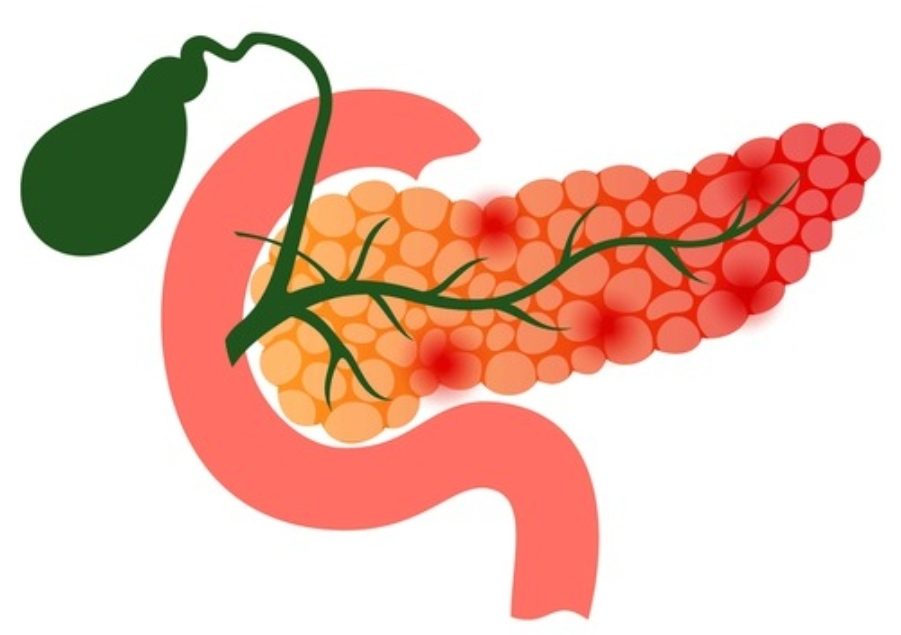
Myth #13: “Raw Feeding Causes Pancreatitis”
Often used to scare people away from fat.
In reality pancreatitis is linked to:
- Highly-processed foods
- Inflammatory fats
- Sudden dietary changes
Raw fat from whole animals is not the same as rendered, oxidized fats found in kibble.
Myth #14: “Veterinarians Don’t Support Raw Feeding Because It’s Unsafe”
This is a sensitive one, but important.
In reality, veterinary nutrition education is limited and heavily influenced by pet food companies.
Most vets are trained to manage disease, not prevent it. There are many vets who will privately support raw feeding, but are not comfortable publicly recommending it.
This is a systemic issue, and not a personal failing.
Myth #15: “You Have to Be Perfect for Raw Feeding to Work”
This myth discourages people from starting.
Reality:
- Any move away from ultra-processed food is beneficial
- Progress matters more than purity
- Dogs are resilient and adaptable
Perfectionism keeps people stuck. Consistency moves them forward.
Final Thoughts: Prevention Over Intervention
Raw feeding isn’t about perfection. It’s about alignment. When we feed dogs what they were designed to eat:
- Behavior stabilizes
- Health improves
- Lifespan increases
- Veterinary intervention decreases
We choose prevention over reaction. Biology over marketing. Trust over fear. That is why we feed raw.
🌐 Want to Learn Even More?
Visit our friends at The Feed Real Institute to learn more about canine nutrition, DIY raw, and improving health through feeding real food!
Dr. Nick Thompson at Holistic Vet UK to learn all about raw feeding and holistic canine health
Holistic Vet Dr. Katie Woodley, who specializes in gut health and healing the root cause at The Natural Pet Doctor
