A factual overview of the development, lineage stewardship, and preservation efforts behind the Native American Indian Dog.
This page presents the documented history of the Native American Indian Dog (NAID), based on registry records, lineage tracking, and preservation stewardship. Historical claims are presented with clarity and distinction between documentation, breeder development, and preservation-era standards.
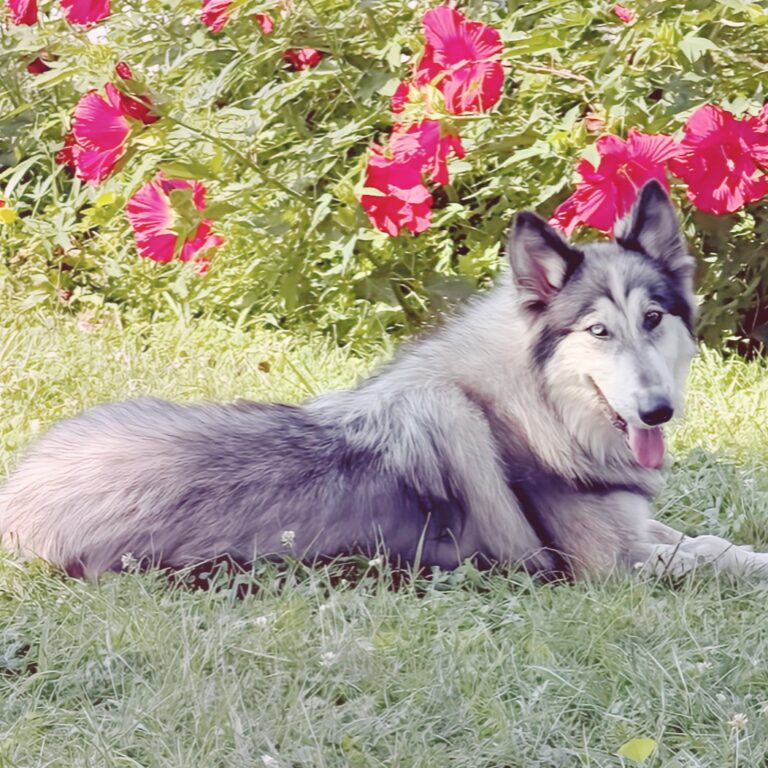
The Native American Indian Dog (NAID) is a developing preservation breed rooted in the ancient Indigenous dogs of North America: a living link between the history of the Native American Indian Dog and the future of ethical stewardship.
Early Development of the Native American Indian Dog
The Native American Indian Dog (NAID) traces its roots to the most ancient canine lineages of North America. Archaeological evidence and oral tradition suggest that Indigenous peoples and their dogs have walked this continent together for at least 30,000 years.
Long before European contact, nearly 1,000 tribes stewarded distinct types of working dogs across vastly different climates and ecosystems. These dogs were not ornamental. They were indispensable.
- They pulled travois and sleds.
- They guarded camps.
- They hunted bear, moose, deer, buffalo, and small game.
- They packed goods.
- They watched children.
- They warmed families on cold nights.
From the Arctic to the Southeast woodlands, Indigenous dogs evolved alongside their people, shaped by geography, purpose, and culture.
Some historic Indigenous breeds now extinct, such as the Hare Indian Dog and the Salish Wool Dog, contributed to the ancestral foundation of what would later inform the modern NAID.Today
Today, the breed is maintained under a defined NAID health and genetic testing protocols program and a structured official NAID registry.
Regional Types of Historic Indigenous Dogs
Northern Types
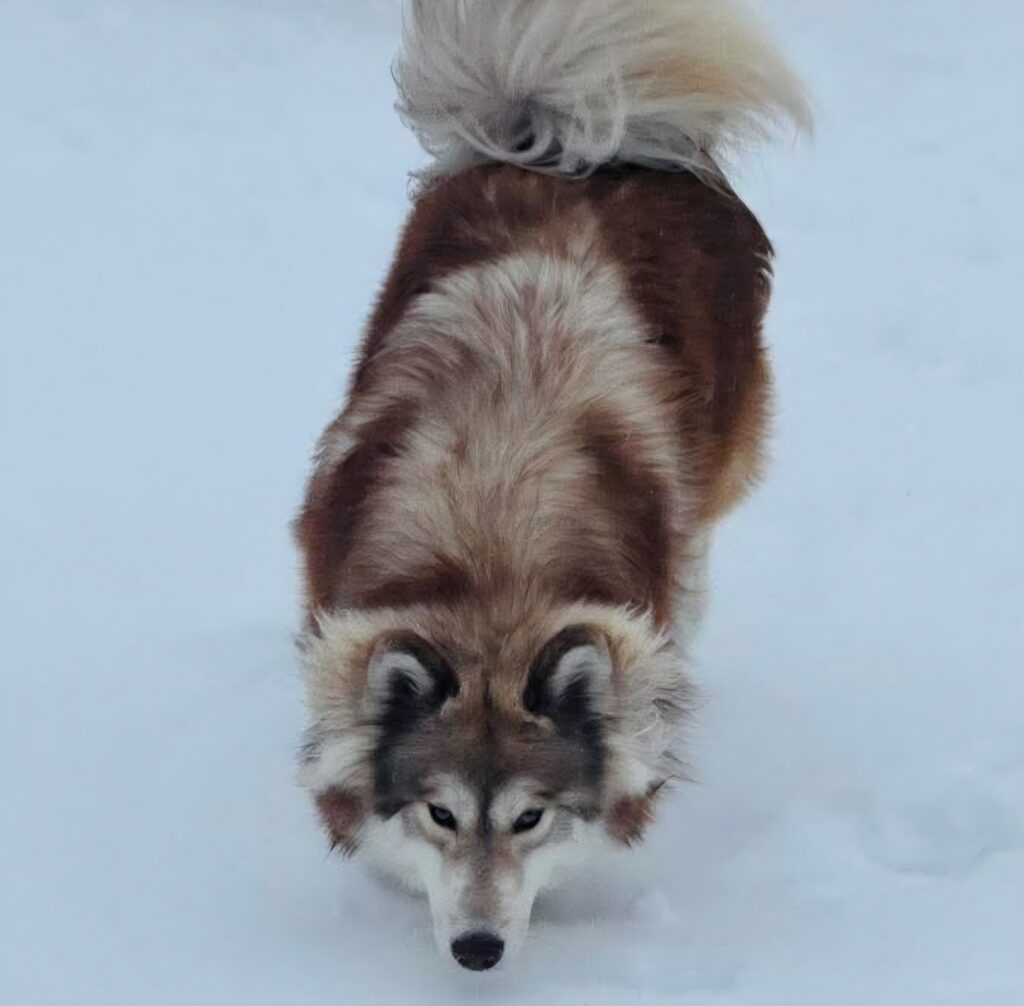
Northern Indigenous dogs were powerful, enduring, and built for harsh climates.
- They assisted Inuit hunters with seal and polar bear.
- They tracked moose and bear in deep snow.
- They pulled heavy sleds across frozen terrain.
Some northern types were so wolf-like that early explorers noted they were nearly indistinguishable from wolves except in temperament.
Plains and Woodland Types
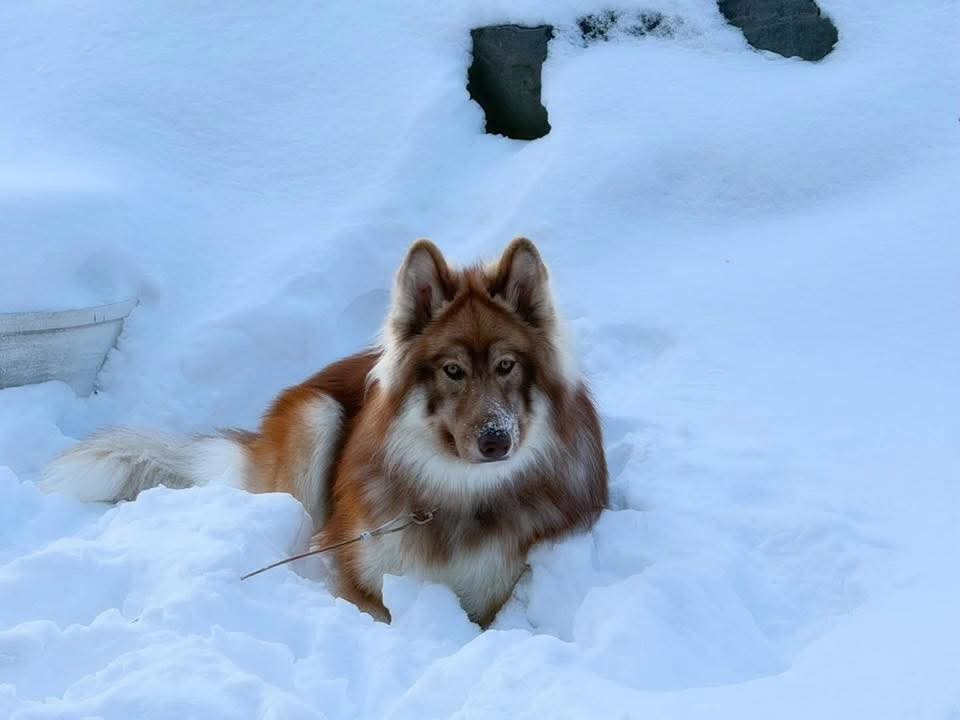
Medium-sized, athletic, and versatile, Plains dogs hunted buffalo and deer and pulled toboggans and travois.
- Woodland tribes relies on strong, wolf-like dogs for winter transport and protection
- Canoe-using tribes preferred shorter legged dogs for ease of climbing in and out of vessels
Southeastern Types
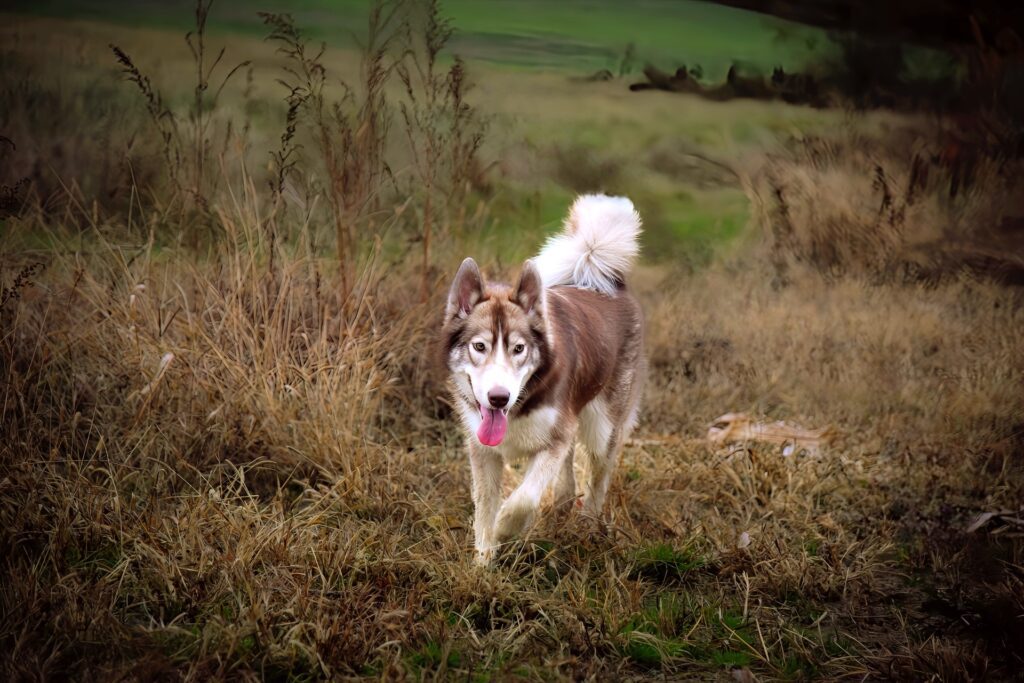
Southeastern Indigenous dogs were lean, agile, and adapted to humid forests. They hunted deer and turkey, guarded agricultural fields, and assisted in foraging.
The Choctaw Indian Dog was described as short-haired, yellow or red, and dingo-like in build, traits still seen today in the Carolina Dog.
Spiritual and Cultural Significance of Indigenous Dogs
Dogs were not merely tools.
- Many tribes buried their dogs with their keepers so they could accompany them in the afterlife.
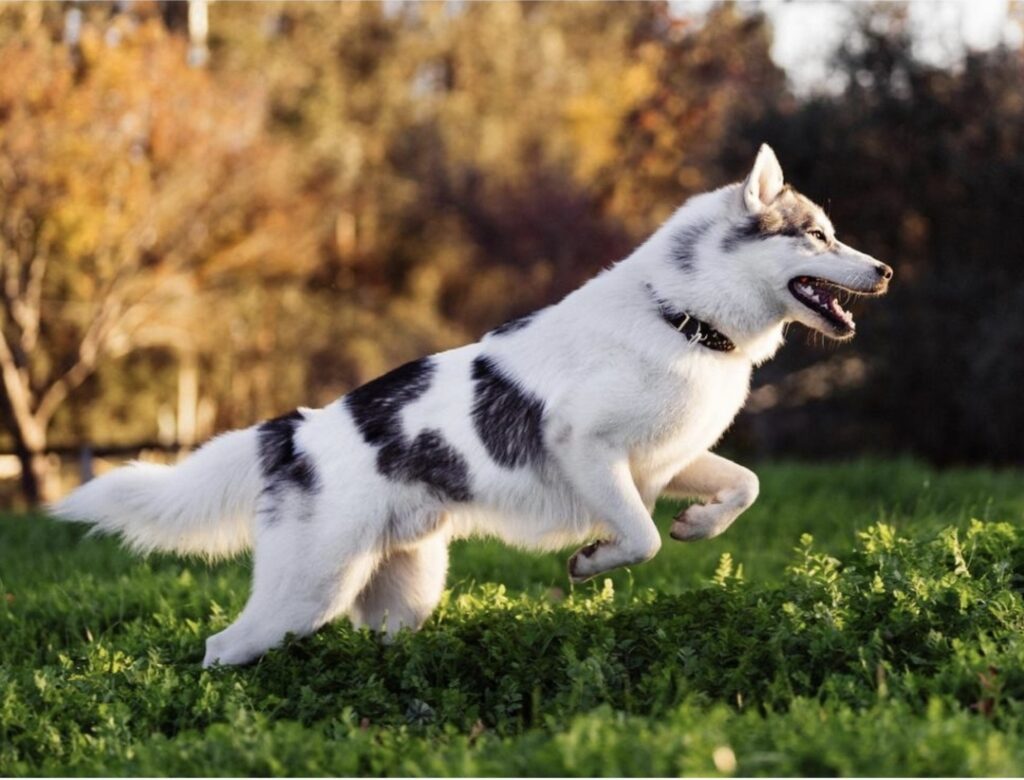
- Spotted or broken-patterned dogs were often considered sacred.
- Some tribes intentionally”spirit dogs” (spotted) or tailless dogs, believing them spiritually significant.
- Effigy pottery and burial remains confirm their ceremonial importance
This was partnership, not ownership.
Genetic Clarification and Modern Documentation
For years, speculation surrounded whether coyotes influenced Indigenous dogs. Modern structural analysis of skeletal remains has found no evidence supporting coyote incorporation.
Wolf influence, however, has been documented.
Unlike Europeans who sometimes kept wolves within settlements, Indigenous peoples typically did not raise wolves directly in camp. Historical writings describe a more controlled practice: female dogs in season were sometimes tethered outside the village to encourage selective breeding with wild wolves.
This method allowed the introduction of wolf genetics while maintaining domesticated behavior.When modern preservationists revived the NAID, limited low-content wolfdogs were introduced into early foundation stock to mirror historical management practices. Through careful multi-generational breeding, significant wolf content has since been reduced.
Modern NAIDs are not wolfdogs. They are a stabilized working breed.
The Suppression of Indigenous Dogs During Colonization
During European colonization, Native dogs were deliberately targeted.
Colonial authorities placed bounties on them under the claim they threatened livestock. Native accounts suggest a different motive: these dogs reliably alerted villages to incoming raids.
Eradicating the dogs weakened tribal defense systems.
It was in the 1600s that the colonial government officially launched its extermination campaign against Native dogs. Though the mainstream narrative claims these dogs were lost due to interbreeding with European breeds, the truth is far more deliberate. In just 200 short years, dozens of genetically distinct Native breeds were systematically eradicated, mirroring exactly what was done with the American Buffalo, which was nearly driven to permanent extinction from the North American continent.
By the late 1800s, this sustained campaign had devastated Indigenous dog populations. Some lines survived only in remote areas where tribes fiercely guarded them.
The modern NAID exists today because fragments endured.
Majestic View and Foundational Line Development
From the 1960s through the 1980s, several breeders sought to recreate or preserve Indigenous-type dogs. Three primary lines emerged:
1.The American Indian Dog (AID)
2.The Native American Indian Dog (NAID)
3.The North American Indian Dog (NorthAID)
While these breeds share philosophical inspiration, they are genetically distinct today and follow separate breeding programs. Learn more about the difference between NAID, AID, and NorthAID.
The Modern NAID
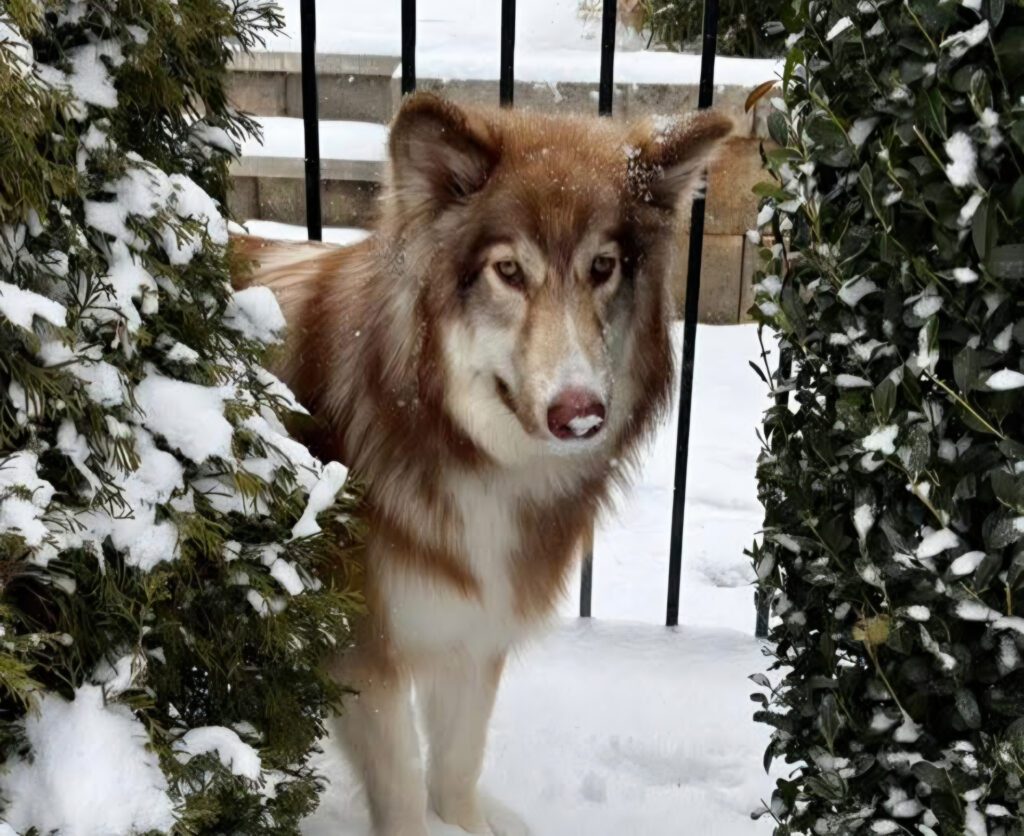
The modern NAID revival is largely credited to Karen Markel of Majestic View, who sourced foundational breeding stock from multiple tribal regions including Inuit, Ojibwa, Blackfeet, Shoshone, and Cherokee lines.
Because surviving Indian Dogs were extremely limited, careful outcrosses were incorporated to restore lost traits and expand genetic diversity. These included:
- Carolina Dingo
- Siberian Husky
- Alaskan Malamute
- Belgian Tervuren
- Collie
- Samoyed
- Select low-content wolfdogs
Some German Shepherd influence was later used selectively to enhance biddability and recall.
Importantly, the NAID is not a recently invented aesthetic project. It is a reconstruction effort rooted in historical accounts, archaeological evidence, and functional purpose. The modern NAID is maintained under a defined NAID Preservation Project breeding standards and structured NAID health and genetic testing protocols.
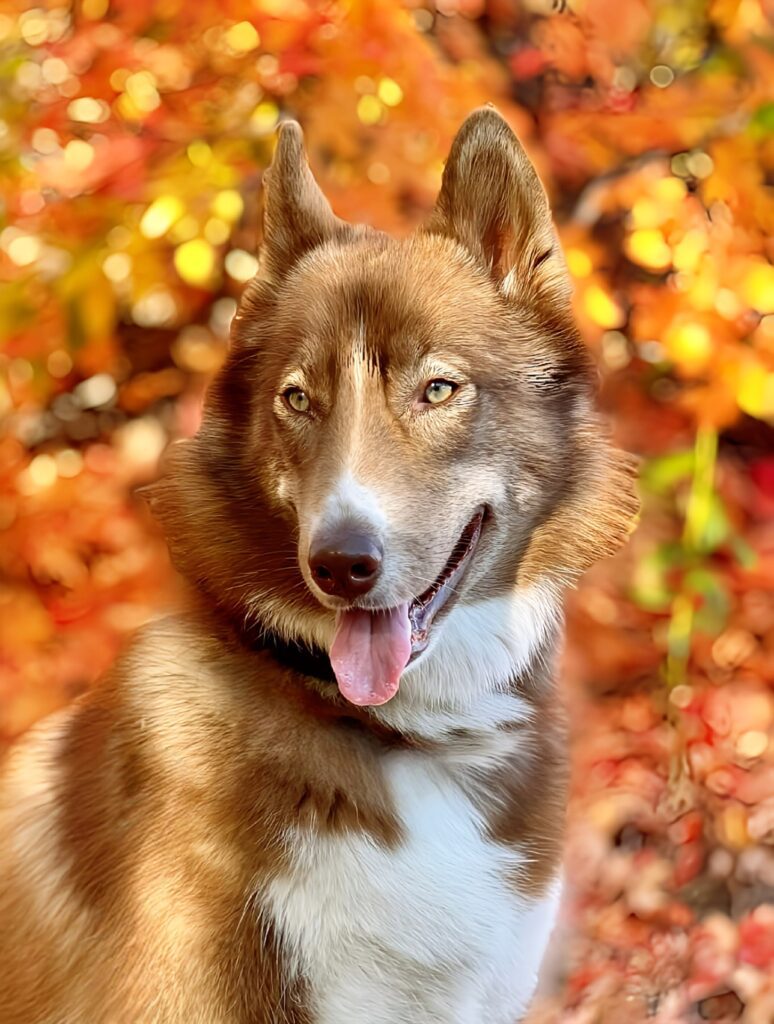
NAID vs AID vs NorthAID — Understanding the Differences
The American Indian Dog (AID), Native American Indian Dog (NAID), and North American Indian Dog (NorthAID) share broad inspiration from Indigenous and aboriginal dog populations, but they are separate modern breeds with different breeding programs, line histories, and standards.
Confusion is common due to similar naming, so prospective owners should verify which program a breeder belongs to. The NAID Preservation Project frequently asked questions page covers this in detail.
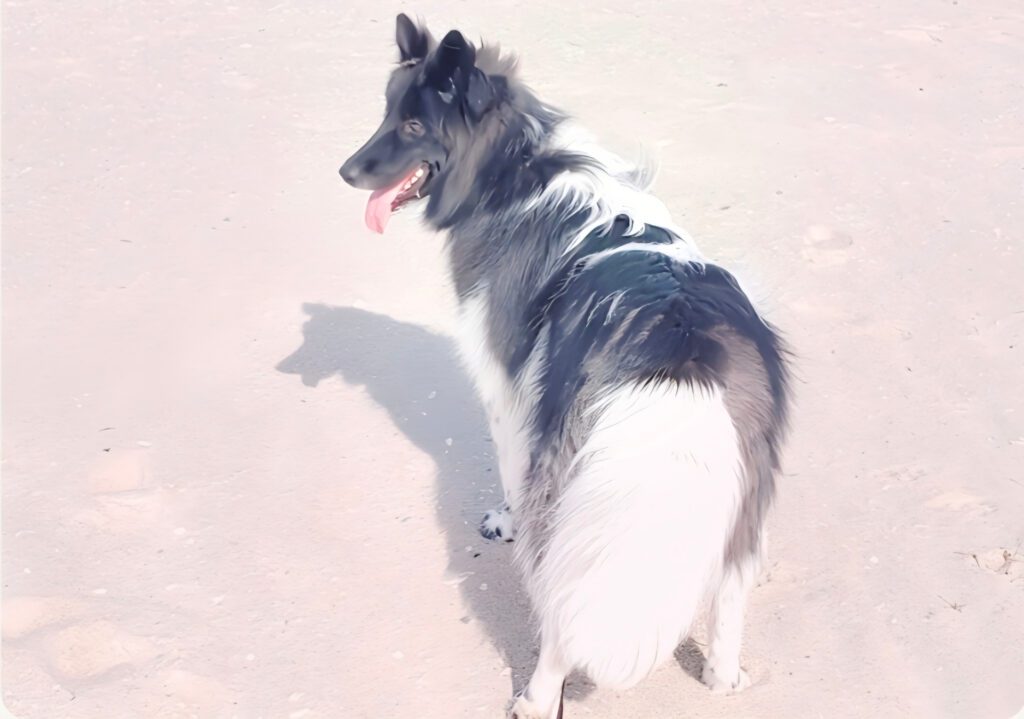
Transition to Structured Preservation and Registry Stewardship
The Native American Indian Dog Preservation Project (NAIDPP) represents a new era of collaboration.
Historically, breeders operated in isolation. This created closed lines with inbreeding concerns and heavily outcrossed lines that diluted type.
Through the NAID Preservation Project’s unified official NAID registry system and clearly defined NAID Preservation Project breeding standards, the NAIDPP unites breeders under:
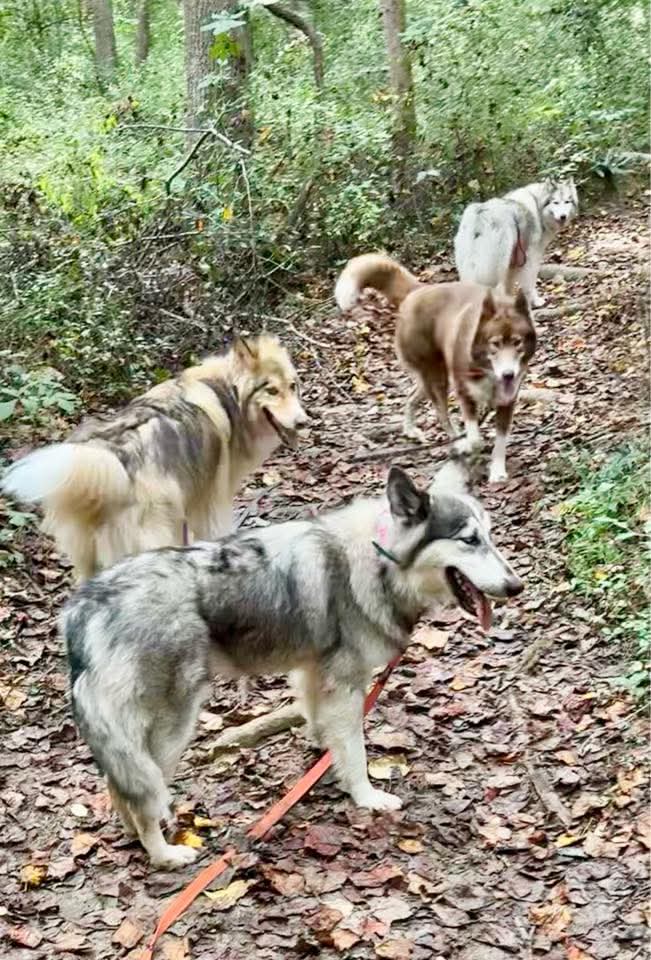
- Structured health testing
- Genetic diversity management
- Temperament evaluation
- Verified ancestry documentation
- Long-term breed standardization goals
Working with genetic partners and database verification systems, the NAIDPP is actively harmonizing breeding philosophy and reducing fragmentation within the breed. Learn more about our Native American Indian Dog health testing standards and guardian home program.
The goal: full standardization and recognition by 2030.
Documentation vs. Oral Narrative
Within the Native American Indian Dog community, historical narratives have sometimes blended oral tradition with breeder development records. This page distinguishes documented registry records from anecdotal or unverified claims, emphasizing transparency and preservation accuracy.
The Future of the NAID Breed
The Native American Indian Dog is still a breed in development, but for the first time in its modern history, preservation is coordinated rather than scattered.
More importantly, this effort is not just about dogs.
It represents a cultural reclamation.
The return of stewardship.
The restoration of a working partnership.
The honoring of a legacy that predates colonization.
The NAID is a restoration.
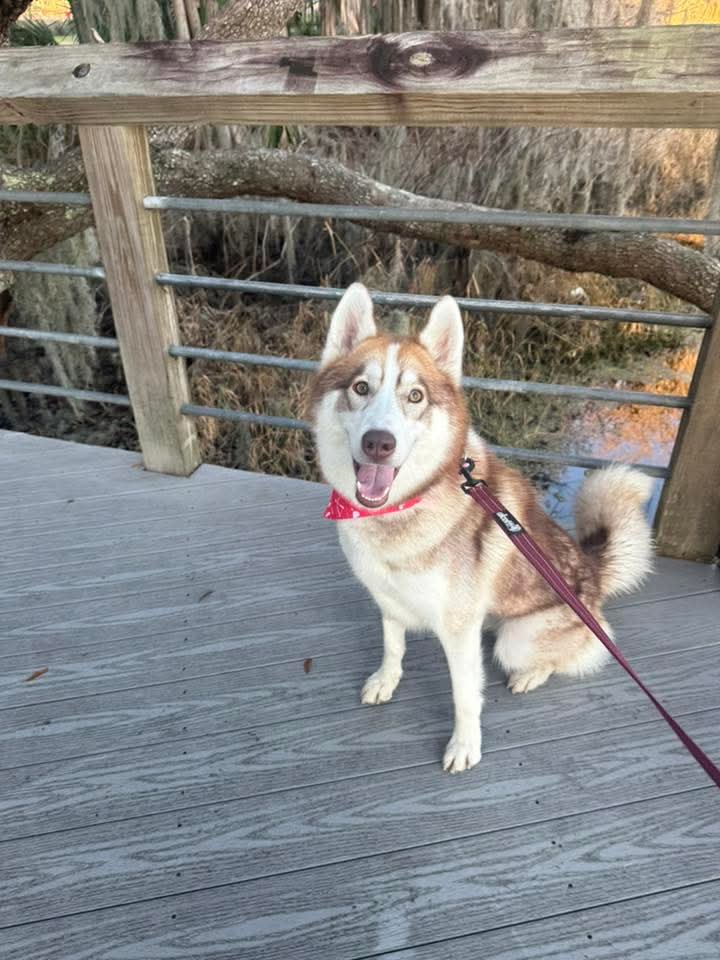
Native American Indian Dog History FAQs
What is the documented origin of the Native American Indian Dog?
The Native American Indian Dog traces its lineage to ancient Indigenous working dogs of North America. Archaeological evidence and oral tradition suggest these dogs served alongside Indigenous peoples for at least 30,000 years. The modern NAID was developed through documented foundation lines and is maintained through the official Native American Indian Dog registry.
Is the Native American Indian Dog a wolfdog?
Modern NAIDs are not wolfdogs. While early foundation stock included limited low-content wolfdogs to mirror historical wolf influence, careful multi-generational breeding has stabilized the breed as a domestic working companion. The NAIDPP employs Native American Indian Dog health testing standards including genetic verification protocols.
Who maintains the official NAID registry today?
The Native American Indian Dog Preservation Project (NAIDPP) maintains the official registry, which includes pedigrees, registration certificates, and health records. The registry tracks over 900 dogs across foundational and preservation lines.
