The Chemical Burden of Modern Dog Ownership
Food, Pesticides, Parasite Prevention, and the Responsibility to Think Beyond Convenience
By Rebecca Michal · November 17, 2026 · 50 min read

Introduction: The Exposures We Never Think to Question
We live in a world that has become remarkably good at making life convenient.
We can order groceries without leaving home, arrange for dinner to arrive at our doorstep, and find answers to questions almost instantly. Products are developed to save us time, reduce effort, and eliminate tasks we would rather not think about.
Somewhere along the way, convenience also became a powerful influence on how we care for our animals.
We purchase food designed to remain shelf-stable for months. We use household cleaners that promise to eliminate germs with a single spray. We treat our lawns to prevent unwanted plants from growing. We bathe our dogs with products that leave them smelling like perfume. And we administer medications intended to protect them from parasites for weeks, months, or even an entire year.
Most of these choices have become so ordinary that we rarely stop to question them.
But what happens when we begin examining them together?
What is our dog eating every day? Where did those ingredients come from? What agricultural chemicals were used to produce them? What substances are present in our drinking water, our homes, and our yards? What happens to the pesticides we apply to our animals after those substances enter the environment?
And perhaps most importantly, are we making these decisions because we have carefully considered what is best for the individual dog, or because we have become accustomed to doing things a certain way?
These questions are central to my philosophy of natural rearing.
At Corn Moon Medicine Dogs, I believe responsible husbandry requires us to examine the environment in which an animal lives, the substances it encounters, and the long-term consequences of our choices.
I am particularly interested in what happens over generations. As a preservation breeder, I want to understand how nutrition, environment, reproductive decisions, and health management may influence the dogs we produce today and the generations that follow them.
The scientific evidence does not answer every question I have. That is one reason I continue studying, observing, and documenting.
What I have learned is that many of the exposures we accept as normal deserve considerably more attention.
1. The Modern Dog's Chemical Environment
When people hear the word chemical, they often imagine something manufactured in a laboratory.
In reality, everything around us is composed of chemicals, including water, oxygen, vitamins, and the food we eat.
The important questions are which substances are present, how much exposure occurs, how those substances interact with living tissues, and whether the body can process and eliminate them without harm.
A chemical's ability to cause harm is not the same as the risk associated with every possible exposure. Dose, frequency, route of exposure, and individual susceptibility all matter.
Still, I believe there is good reason to examine the substances our dogs encounter repeatedly throughout their lives, especially those that serve no essential nutritional or biological purpose.
What Is Really in Commercial Dog Food?
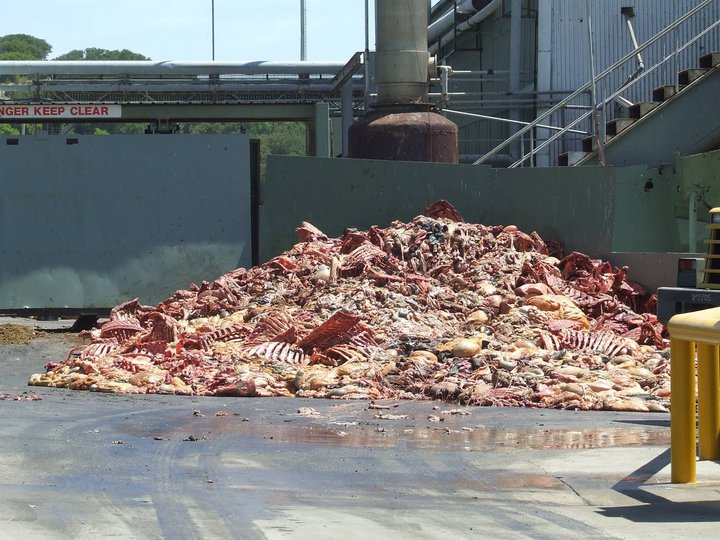
One of the reasons I discourage feeding conventional kibble is that its ingredients often originate within large-scale agricultural systems.
Grains, legumes, and other plant ingredients may be produced using herbicides, insecticides, fungicides, and chemical fertilizers. The exact agricultural practices vary by crop, location, and supplier.
This does not mean every conventionally grown ingredient contains harmful pesticide residues. Nor does it mean organic agriculture is pesticide-free.
Organic certification restricts certain synthetic substances and agricultural practices, but it does not eliminate all pesticide use or guarantee an absence of environmental contamination.
Nevertheless, ingredient sourcing is something I believe dog owners should investigate.
Consider glyphosate, the herbicide best known as the active ingredient in many Roundup formulations.
Glyphosate has been used extensively in agriculture, particularly with genetically engineered glyphosate-tolerant crops such as corn and soybeans, two staples of commercial pet food.
In North America it is also sprayed on crops such as wheat, oats, barley, and peas shortly before harvest, to control weeds and dry the crop down evenly. Spraying that close to harvest can leave residues in the grain itself, which is why Canadian growers are warned that buyers may refuse oats treated this way and will refuse malting barley.
Not every grain or legume is glyphosate-tolerant, and not every crop is treated before harvest. But the ingredients that make up most kibble come from exactly the crops where glyphosate is used most heavily.
Glyphosate Has Been Found in Commercial Pet Foods
In 2018, researchers published a study in Environmental Pollution examining glyphosate residues in 18 commercial companion-animal feeds from eight manufacturers.
Every product tested contained detectable glyphosate.
The concentrations varied, and the researchers found an association between glyphosate levels and the fiber content of the foods, suggesting plant-derived ingredients were an important potential source.
The study was relatively small, and the researchers did not establish that the detected concentrations caused illness in dogs or cats. Their estimated exposures were generally below established human acceptable daily intake values, although the relevance of those benchmarks to companion animals remained uncertain. They also estimated that, pound for pound, pets eating these foods were likely taking in 4 to 12 times more glyphosate than people.
Newer work points in the same direction. In 2026, researchers at the University of the Free State in South Africa posted a study of commercial dog and cat foods, both kibble and wet food, as a preprint. Again, every product contained glyphosate. Dry kibble carried significantly higher levels than wet food, for dogs and cats alike.
By their estimate, a dog eating typical amounts of the kibble they tested would take in 1.3 to 7.8 times as much glyphosate as a person eating what is considered a high-glyphosate human diet. They concluded that this exposure pathway has been overlooked, and that its effect on animal health is unknown and warrants further research.
That same year, a team at the University of Queensland measured glyphosate in the urine of 71 pet dogs in Australia. They found it in 68 percent of them. The highest level was about 40 times the highest value reported in Australian human biomonitoring studies, and the most exposed dogs were taking in roughly half of the daily amount Australia considers acceptable for people.
The residues follow the plants. Once absorbed, glyphosate is excreted readily and does not accumulate in any particular organ or tissue, so muscle meat carries little of it. A diet built on fresh meat, organ, and bone avoids most of this exposure. A kibble built on corn, soy, wheat, peas, or lentils delivers it at every meal.
That distinction matters.
For many owners, the possibility that agricultural herbicide residues may be present in their dog's daily food has never occurred to them.
I believe it should be part of the conversation.
Research
What the 2018 Pet Food Study Found
- Published study, Environmental Pollution
- 2018
- Commercial companion-animal feeds tested
- 18
- Manufacturers represented
- 8
- Samples with detectable glyphosate
- 18 of 18
The study did not establish that the detected concentrations caused disease in dogs or cats.
Glyphosate, Cancer, and the Microbiome
Glyphosate is controversial partly because scientific organizations have reached different conclusions about its cancer risks.
In 2015, the International Agency for Research on Cancer classified glyphosate as probably carcinogenic to humans, based on its evaluation of human, animal, and mechanistic evidence.
Other regulatory authorities have reached different conclusions about cancer risk under evaluated conditions of exposure.
No one has proven that glyphosate residues in dog food cause cancer in dogs. No one has proven they are safe for dogs, either. The long-term studies that could answer that question have never been done.
Glyphosate also raises serious questions about the microbiome.
Its herbicidal activity involves inhibition of an enzyme in the shikimate pathway, which is used by plants and many microorganisms but is absent from animal cells.
That same pathway is the reason glyphosate has been patented as an antimicrobial agent. In 2010, Monsanto was granted U.S. Patent 7,771,736 for glyphosate formulations used to treat infections in mammals, including infections caused by the single-celled parasites responsible for malaria. The patent rests on a simple premise: microorganisms depend on the shikimate pathway and mammals do not, so glyphosate can stop microbes from growing.
A dog's intestines are home to trillions of microorganisms, and many of them use that pathway. In 2021, researchers at the University of Turku classified the glyphosate target enzyme across thousands of species. By their conservative estimate, 54 percent of the species in the core human gut microbiome carry the form of the enzyme that is sensitive to glyphosate. No one has yet mapped the canine gut this way.
The gut also gets a long exposure. About two-thirds of a swallowed dose of glyphosate leaves the body in the feces unchanged, and less than one percent is broken down. Most of what a dog eats travels the full length of the digestive tract, past the microbial communities living there.
In 2026, the Journal of Applied Toxicology published a critical review of this research. It found that controlled rodent studies provide the most consistent evidence, with several reporting shifts in gut bacteria, including a loss of lactobacilli, sometimes accompanied by intestinal inflammation, altered microbial metabolism, and increased intestinal permeability. Formulated products, the herbicides actually sold and sprayed, were frequently more disruptive than glyphosate alone.
The review's author described the long-standing argument that glyphosate poses negligible risk because animal cells lack its target enzyme as "inaccurate as a complete toxicological argument," because that pathway is present in bacteria living in the mammalian gut.
One of the studies behind these findings came from Italy's Ramazzini Institute in 2018. Researchers gave rats glyphosate and Roundup in their drinking water at the U.S. acceptable daily intake for people, 1.75 milligrams per kilogram of body weight per day, starting before birth. The young rats' gut bacteria changed significantly, even though the exposure was set at a level regulators consider safe for humans.
Diet appears to influence how strongly these effects show up. A Danish study found that gut bacteria are largely shielded from glyphosate when plenty of aromatic amino acids, the very nutrients the shikimate pathway produces, are already available in the intestine. The 2026 review reached the same conclusion. I see that as one more reason the whole diet matters, and one more reason I build my dogs' meals on fresh, protein-rich food.
Direct trials in people do not exist, because no one can ethically feed a herbicide to research subjects. And no study has yet compared dogs fed a glyphosate-free kibble with dogs fed a conventional one, which is what it would take to separate the effects of herbicide residues from the effects of starch, fiber, and high-heat extrusion.
Still, I don't believe we can responsibly assume that a compound patented to stop microbial growth passes through a dog's gut without affecting the microbes that live there. Anything we ingest, day after day, is going to influence the gut biome in some way.
Why the Missing Research Calls for Caution
Some people read the lack of studies as a reason to relax. I read it the other way.
We have a chemical found in every pet food tested, found in the urine of most dogs tested, patented as an antimicrobial, and shown in controlled animal studies to alter gut bacteria at doses regulators call safe for people. The preliminary evidence points toward harm. When the evidence we do have looks like that, and the long-term studies in dogs have never been done, caution is the reasonable response.
Other countries have looked at this evidence and acted, and their experience is worth examining closely. I come back to it below.
I also hear the same story again and again from people with food sensitivities. Someone who reacts to wheat or other grains here in the United States travels to a country where glyphosate is used far less on food crops, eats bread and pasta every day, and has no trouble at all. These are personal accounts, and other differences, such as wheat varieties and baking methods, may play a part. But they are common enough to deserve a serious look, and glyphosate use is one of the clearest differences between those food systems.
So my position is simple. Because these studies are missing, and because the preliminary evidence points toward harm, I believe we should be all the more cautious about eating foods produced with glyphosate, and about feeding our dogs foods made from crops that have historically been grown with it.
We know very little about the lifelong consequences of repeated exposure to complex mixtures of agricultural residues, food additives, and environmental contaminants in dogs. For a species that often eats the same manufactured food every day for years, I believe abundant caution is the responsible choice.
Where Other Countries Have Drawn the Line
Glyphosate is the most widely used herbicide in the world, yet governments on several continents have chosen to ban or limit it.
About ten countries and territories prohibit it outright. According to Oman's agriculture ministry, glyphosate has been banned throughout the six Gulf Cooperation Council states since 2016: Bahrain, Kuwait, Oman, Qatar, Saudi Arabia, and the United Arab Emirates. Vietnam removed glyphosate from its list of permitted pesticides in 2019. That same year, Togo prohibited the import, sale, and use of glyphosate and every product containing it. Bermuda suspended imports of Roundup in 2015, and St. Vincent and the Grenadines suspended imports of every glyphosate product in 2018.
Many more countries allow glyphosate but restrict how it can be used. When the European Union renewed its approval until December 2033, it attached new conditions, including a ban on using it as a desiccant, sprayed on a crop to control when it is ready to harvest. Spraying grain shortly before harvest remains common in North America, as I described earlier, on the same wheat, oats, and barley that fill most kibble.
Individual European countries go further. Italy banned spraying glyphosate on crops before harvest in 2016, along with its use in parks, playgrounds, school grounds, and other places people gather. Germany prohibits late pre-harvest spraying, most use before sowing and after harvest on cropland, and any use in water protection zones. And the European Union grows no glyphosate-tolerant genetically engineered crops at all; the only GM crop cultivated there is an insect-resistant maize.
In India, the national government now allows only licensed pest control operators to apply glyphosate. Its 2022 order states that the government is satisfied glyphosate use "involves health hazards and risk to human beings and animals."
Glyphosate is still approved in the United States and in most of Europe, but the food much of Europe grows is raised very differently from ours.
What the Reversed Bans Reveal
Some of the most telling stories come from countries that banned glyphosate and then backed away.
In 2015, Sri Lanka became the first country in the world to adopt and implement a complete glyphosate ban. Tea growers soon reported weeds overrunning their plantations. By 2018 the government had restored glyphosate for tea and rubber, and the ban was fully revoked in 2022.
Thailand voted in 2019 to ban glyphosate, then reversed the decision weeks later and allowed restricted use after farmers protested that they had no inexpensive substitute. Mexico planned to end glyphosate use by April 2024. That March, the government postponed the ban, saying no alternative had been found that would keep its farms productive.
Two European bans ended in court and in politics. Luxembourg's ban was annulled by its Administrative Court in 2023 after a legal challenge, and Germany dropped its planned 2024 ban once the EU renewed its approval, while keeping its strict limits in place.
When I look at those reversals, I see something many farmers around the world have lived through. Agriculture has become so dependent on monoculture, one crop grown across enormous fields year after year, that it now relies on an herbicide with mounting evidence of harm. Many farms have reached the point where they cannot produce a crop without it. The model so many farmers work within has never taught them how to build healthy soil, how to grow in diversity, or how to keep weeds down through crop rotation, cover crops, and living ground cover. When the chemical is taken away and nothing else in the system has changed, the harvest suffers, and the chemical comes back.
To me, that is one more reason a holistic view is an absolute necessity in this day and age. Glyphosate is one piece of a much larger system: how our soil is cared for, how our crops are grown, and how our food, and our dogs' food, is made. If we want things to change for the better over the long term, we have to be willing to look at the whole system.
Why I Begin With the Gut
Over the years, I have worked with dog owners who come to me because their animals are experiencing chronic skin problems, digestive disturbances, recurrent ear issues, or other health concerns.
One of the first things I examine is diet.
In many cases, dietary changes have coincided with substantial improvements in the dog's condition.
I have seen dogs whose skin became healthier, whose digestion improved, and whose overall condition changed after their owners reconsidered what they were feeding.
These are my observations. They do not establish that pesticide residues caused the original problems or that a particular dietary intervention will resolve every case.
Food allergies, environmental allergies, infections, parasites, endocrine disorders, and other medical conditions can all contribute to skin disease.
Still, the connection between diet, gastrointestinal function, and immune regulation is important enough that I believe nutrition deserves serious consideration when evaluating chronic health problems.
For me, the goal is to provide a carefully balanced, species-appropriate whole-food diet using ingredients whose origins I can understand and evaluate.
Processing, Flavorings, and Shelf Stability
Commercial kibble is manufactured through processes designed to create a consistent, convenient, shelf-stable product.
That process is called extrusion, and it is a high-heat process. The method was borrowed from the manufacture of breakfast cereals and snack foods, and it works in stages.
Mixing and preconditioning. Rendered meat meals, grains, legumes, starches, and fats are ground together and mixed with steam and water into a thick dough.
Cooking under pressure. Rotating screws force the dough through a long, heated barrel, where it is cooked under intense pressure at temperatures that commonly range from roughly 90°C to 200°C (about 200°F to 400°F).
Expansion and cutting. At the end of the barrel, the dough is pushed through a shaped plate called a die. The sudden drop in pressure flashes its moisture into steam and puffs the dough, and rotating blades cut it into individual pieces.
Drying. The puffed pieces are dried in an oven until their moisture falls below about 10 to 12 percent. This is what allows a bag of kibble to sit on a shelf for months.
Coating. Finally, the dried kibble is tumbled in a rotating drum and sprayed with fats, oils, and flavor enhancers called palatants. Palatants are added to make the food palatable. The dried pellets are bland, and dogs would be far less willing to eat them without that coating.
By the time a dog eats it, the food has been rendered, ground, cooked under pressure, superheated, dried, and coated. The finished product is very different from its original ingredients.
What Heat Does to Nutrition
Every stage of this process takes something away from the ingredients that went into it.
Extrusion heat destroys the natural enzymes present in fresh food and degrades heat-sensitive vitamins, including vitamin A and several of the B vitamins. It also lowers protein quality through the Maillard reaction, the same browning reaction that happens when meat is seared, which binds amino acids such as lysine to sugars and leaves them less available to the body. A review of extrusion research in dry pet food describes both the loss of heat-labile vitamins and the reduction in protein quality.
Because so much is lost, manufacturers add a synthetic vitamin and mineral premix so the food meets the nutrient profiles set by AAFCO (the Association of American Feed Control Officials) and can be labeled "complete and balanced." Vitamins are often added in excess before cooking, to make up for what the heat will destroy, or sprayed on afterward.
So when a bag says "complete and balanced," it means the food meets those nutrient levels on paper, with much of the nutrition supplied by compounds added back after processing.
It would be unreasonable to assume that food made this way carries the same nutritional quality as fresh, whole food. I do not believe it does.
Folic Acid and Natural Folate
Many of the vitamins added back are synthetic forms that the body handles differently from the forms found in food. Folate shows that difference clearly.
Folate is vitamin B9. In fresh food, it occurs naturally in liver and other organ meats, egg yolks, and leafy greens. The body breaks these food folates down in the gut, absorbs them, and converts them into 5-MTHF, or methylfolate, the active form that circulates in the blood and that cells can use.
Kibble is fortified with folic acid. Folic acid is a synthetic, fully oxidized form of the vitamin made for supplements and processed foods. Manufacturers use it because natural folates are fragile and break down with heat, light, and oxygen, while folic acid survives extrusion and stays stable in a bag for months. It is also inexpensive and accepted by AAFCO as a standard source of vitamin B9.
Folic acid is absorbed well. The difficulty comes afterward. Cells cannot use folic acid in the form it arrives in. It first has to be converted by an enzyme called dihydrofolate reductase, and according to the National Institutes of Health, the activity of that enzyme varies greatly among individuals. When intake exceeds what the enzyme can process, unmetabolized folic acid remains in the bloodstream.
In human studies summarized by the NIH, unmetabolized folic acid has been linked to reduced numbers and activity of natural killer cells, an important part of the immune system. The NIH also notes that these consequences are not yet well understood and need further research.
As far as I know, no long-term studies have measured unmetabolized folic acid, or its effects, in dogs eating extruded diets every day of their lives. What I do know is that a dog eating liver, eggs, and greens receives folate in the form its body was made to use.
Minerals the Body Cannot Fully Absorb
Minerals survive the heat of extrusion. With minerals, the concern is the chemical form the manufacturer chooses to put in the premix.
Many kibbles rely on inorganic mineral salts such as zinc oxide, zinc sulfate, ferrous sulfate, copper sulfate, and sodium selenite, because they are inexpensive. In the digestive tract, these salts break apart, and the freed minerals can bind to other compounds in the food, especially phytates, the phosphorus-storage compounds found in grains and legumes. Once bound to phytates, minerals form insoluble complexes and pass through the body unabsorbed.
A review of zinc in dog nutrition notes that, despite some conflicting results, organic (chelated) zinc sources are generally considered more bioavailable than inorganic sources. The same review found great variability in the zinc content of commercial dry dog foods, which exceeded the maximum authorized limit more often than they fell short of the requirement.
A mineral listed on the label only helps the dog if the body can absorb and use it.
Palatants, Preservatives, and the Ingredients We Never Notice
Palatants are typically animal digests (poultry, pork, or fish tissues broken down with enzymes into a savory liquid or powder), spray-dried liver, yeast extracts, rendered fats, or compounds produced through the Maillard reaction to imitate the aroma of roasted meat. On an ingredient panel, they often appear as "animal digest" or simply "natural flavor," which tells an owner very little about the actual source.
Because fats and palatants coat the surface of every piece, they begin to oxidize once the bag is opened. Preservatives and antioxidants are added to slow that process. Depending on the brand, these may be mixed tocopherols and rosemary extract, or synthetic compounds such as BHA, BHT, or ethoxyquin.
Then there is the premix itself. Turn over almost any bag of kibble and read the end of the ingredient list. You will commonly find something like this: zinc sulfate, ferrous sulfate, niacin supplement, vitamin E supplement, copper sulfate, thiamine mononitrate, calcium pantothenate, manganese sulfate, riboflavin supplement, vitamin A supplement, pyridoxine hydrochloride, sodium selenite, calcium iodate, vitamin B12 supplement, biotin, vitamin D3 supplement, folic acid, and menadione sodium bisulfite complex.
Add the preservatives, the palatants, colorings in some brands, and whatever agricultural residues came in with the ingredients, and most owners would be surprised by how many manufactured compounds a single bowl of kibble contains.
We rarely think twice about it. We think "healthy, balanced diet," and we feed the same food day after day and year after year, often for the entire life of the dog. For many dogs, the only time anyone reconsiders the food is when a problem appears.
When we think about the chemicals entering a dog's body, the food bowl has to be part of that consideration. It is the one exposure that happens every single day.
That is one reason I prefer feeding fresh, whole foods prepared with careful attention to nutritional completeness and food safety.
A whole-food diet is not automatically balanced, and raw animal products can introduce infectious risks to dogs and people. Those realities deserve the same careful consideration as the limitations of manufactured food.
What matters to me is understanding what I am feeding, where it came from, and why I have chosen it.
2. The Chemical Exposures Inside Our Homes
Food is only one part of a dog's environment.
Consider everything a dog encounters in an ordinary day.
Its paws touch floors cleaned with household products. Its nose is close to carpeting, furniture, and treated surfaces. It may lie on bedding washed with scented detergents, breathe air containing fragrances or cleaning sprays, and walk across lawns treated with herbicides or insecticides.
Dogs also groom themselves, potentially ingesting residues transferred to their coats and paws.
These exposure pathways are easy to overlook because they are so familiar.

Household Cleaning Products
Many cleaning products contain substances that can irritate the skin, eyes, or respiratory tract. Some concentrated formulations can cause serious poisoning if swallowed or misused.
The relevant risks depend on the specific ingredients and how the product is used.
I prefer simpler cleaning practices whenever practical, including appropriately diluted products, adequate ventilation, and avoiding unnecessary fragrances.
In ordinary life, when nothing contagious or serious is moving through the house, natural cleaning products are more than sufficient. That is the basis on which this household operates.
There are situations, particularly involving infectious disease, when an effective disinfectant is necessary. Choosing a product with demonstrated activity against the relevant pathogen and using it correctly is part of responsible husbandry.
When that happens here, I reach for something as plain as regular Clorox bleach diluted in water. Many commercial antimicrobial products carry added ingredients, artificial fragrances among them, and those additions carry a chemical burden of their own over time.
For everything else I use homemade cleaners, generally built from baking soda, washing soda, and borax. These are non-toxic, safe, natural ingredients, and they clean almost everything in a home very effectively.
A few of the ones I recommend most often:
A surface cleaner with some disinfecting properties. Distilled vinegar and water. Vinegar does not kill every pathogen, but it kills a good number of them and makes a solid surface disinfectant. To scent it, steep the vinegar for a few days with orange peel or lavender buds, then strain it; the product stays completely safe and smells very pleasant. Dilute that one-to-one with distilled water and you have a great surface cleaner for the bathroom and the kitchen.
Laundry detergent. Borax, grated cold-pressed soap, and washing soda, with a little pet-safe essential oil added.
Dishwashing detergent. Washing soda and citric acid, combined in much the same way.
None of these are difficult to make. They are effective, and they significantly reduce the chemical burden a dog would otherwise be exposed to in your home. These are simple changes an owner can make without much time or effort out of the day.
However, natural does not automatically mean safe. Essential oils, homemade mixtures, and improperly combined cleaning ingredients can also be hazardous to animals.
My goal is not to eliminate every manufactured cleaning product. It is to use what is necessary, understand what I am using, and avoid exposures that provide little benefit.
Fragrances, Grooming Products, and Skin Health
A dog does not need to smell like perfume to be clean.
I have long preferred bathing dogs only when there is a genuine need, rather than automatically applying shampoo and scented conditioners on a fixed schedule.
The skin is an important protective organ, and the coat has its own functional characteristics. Repeated bathing with inappropriate products can contribute to dryness and irritation in susceptible dogs.
Of course, bathing frequency depends on the individual animal, coat type, skin condition, and lifestyle. Some dogs with dermatological conditions benefit from regular medicated bathing.
My preference is to preserve normal skin and coat function whenever possible.
Fragrance deserves a much closer look. It is one of the most constant chemical exposures in a dog's life, and one of the least examined. It is in the shampoo, the conditioner, the coat spray, and the grooming wipes. It is in the detergent and dryer sheets used on the dog's bedding, the air freshener in the hallway, and the candle on the kitchen table. Most of us never stop to ask what any of it is made of.
One word on the label can stand for dozens of chemicals. A fragrance is a blend, often of many natural and synthetic ingredients. Under U.S. regulations, even on a cosmetic made for people, those ingredients can be listed simply as "fragrance." The FDA explains that fragrance formulas are treated as trade secrets, so the individual compounds never have to appear on the bottle.
When researchers at the University of Washington analyzed 25 common fragranced products, including laundry products, cleaning supplies, air fresheners, and personal care products, they found 133 different volatile organic compounds, an average of 17 per product. Twenty-four of those compounds are classified as toxic or hazardous under U.S. federal laws, and every product emitted at least one of them. Products marketed as "green" were no different. Of all 133 compounds, only one was listed on any product label.
Grooming products for pets are held to an even lower standard. A cosmetic sold to people must at least carry an ingredient list. A shampoo, conditioner, or coat spray made only to clean or beautify an animal is classified as a "grooming aid," and according to the FDA's own compliance guidance, grooming aids are not subject to the Federal Food, Drug, and Cosmetic Act and are not regulated by the FDA. The ingredient-labeling rules written for human cosmetics do not reach them. An owner can read the back of a dog shampoo carefully and still have no real way of knowing everything that is in it.
Read "unscented" carefully. The FDA notes that some products labeled "unscented" contain just enough fragrance to mask the smell of other ingredients. "Fragrance-free" is the better label to look for, and even then the ingredient list is worth reading.
Chemicals that act on hormones. Hormones work in extremely small amounts, and small disturbances can have significant effects. According to the National Institute of Environmental Health Sciences, citing the Endocrine Society, there are nearly 85,000 human-made chemicals in the world, and 1,000 or more of them could be endocrine disruptors: chemicals that may mimic, block, or interfere with the body's hormones.
Two families of fragrance chemicals come up again and again in this research. The first is phthalates. The phthalate most commonly used in fragrance products is diethyl phthalate, or DEP.
The second is synthetic musks, such as galaxolide and tonalide, which have been identified in human blood and breast milk. In laboratory studies, both interacted with estrogen receptors, with anti-estrogenic effects beginning at low concentrations. Those were cell-culture experiments, and studies that would show what these compounds do in a living dog are largely lacking.
Air fresheners, plug-ins, and candles. When the Natural Resources Defense Council tested 14 common household air fresheners, 12 contained phthalates, including products marketed as "all-natural" and "unscented." None listed phthalates anywhere on the label. Plug-in diffusers and scented candles release fragrance hour after hour into the same rooms where a dog eats, sleeps, and spends most of its life.
Why dogs take in so much of what we use. Dogs live close to the floor, where dust settles. They lie on rugs and bedding, they chew, and they lick and groom themselves, swallowing whatever residue a product has left on the coat and paws. The researchers who measured phthalate metabolites in the urine of pet dogs and cats point out that these habits resemble those of toddlers, which is why pets are used as sentinels for chemical exposure in children, and that small body size and constant contact with indoor environments leave pets especially vulnerable. Twelve of the 21 metabolites they looked for were present in more than 80 percent of the samples, at concentrations similar to those reported in people. For one phthalate, DEHP, the animals' estimated exposure came within a factor of two of the reference dose used as a safety benchmark.
A separate study of dog fur found parabens, preservatives widely used in cosmetics and described by the authors as endocrine disruptors, in every one of the 30 dogs tested.
Detecting a compound in a product, or in a dog, is a separate question from proving that it causes harm at that level, and for most of these chemicals that second question has received very little study in dogs. I see no reason to wait for that research before choosing products I can actually read. Each of these exposures may seem small on its own. Together, every day, they become part of the chemical burden this article is about.
I encourage owners to examine ingredient labels, particularly when products contain strong fragrances or multiple unnecessary additives. In practice, that means choosing grooming products with short, fully disclosed ingredient lists and no added fragrance, washing bedding in a simple detergent whose ingredients you know, like the homemade one above, letting fresh air do the work of an air freshener, and asking whether a coat spray or a perfumed wipe is needed at all.
The useful question is whether a particular product is needed, appropriately formulated, and well tolerated by the dog.
Lawn Treatments and Public Spaces
Lawn chemicals are another exposure many owners rarely consider.
Herbicides, insecticides, and fertilizers may be applied to residential lawns, parks, athletic fields, and other public spaces.
A dog may encounter residues through direct contact, inhalation, or grooming after walking across treated vegetation.
The level of exposure depends on the substance, application method, weather, and time since treatment.
I should be honest about my own starting point. I do not have a lawn. Our property is a certified wildlife habitat, which means we keep natural habitat that meets several criteria and we do not maintain turf grass at all. I know most families do not share that living situation, and that is fine. When people take one of these dogs into their lives, I often try to prompt them to think differently about the ground outside their own door, and about the changes they might make for the better.
It is worth stopping to consider what a lawn actually is. Most American families did not maintain lawns until fairly recently. A lawn became a symbol of affluence, and from there it grew into part of the white-picket-fence picture of the American dream. Set the chemical question aside for a moment and look at what that expanse of grass offers. It provides no food or shelter for birds, pollinators, or much of anything else. It drinks enormous quantities of water: residential outdoor water use in the United States accounts for nearly eight billion gallons a day, most of it for landscape irrigation. And it demands constant upkeep, which means mowers, trimmers, fuel, and electricity, week after week, to keep a crop nobody eats.
There is another way to live with a piece of ground. A pollinator garden, a hedgerow where birds can nest, a bed of native plants: once established, these ask for very little. They draw water into the soil naturally. Their ground cover helps keep weeds down. They are beautiful. And they feed the living world around you, which is the whole point. One of the things I always hope for, when a family takes one of my dogs home, is that they begin to look at the natural world around them a little differently, and a lawn is a fine place to start.
If you do keep a lawn, think twice about what goes on it. Most people never consider that their dog spends part of every day playing on that grass. Weed killers like Roundup sprayed along walkways and fence lines, treatments meant to kill every plant except the grass, synthetic fertilizers with ingredient lists of their own: a dog rolling in that grass and then licking its coat takes all of it in. Walk your dog past a neighbor's treated yard and it may come home and lick its paws. Parks and athletic fields are almost always treated. Even the private sniff spots people rent for their dogs may be maintained with chemicals, so it is always worth asking first.
I also encourage owners to pay attention to signs indicating that public areas have recently been treated. Sometimes reducing exposure requires nothing more complicated than choosing a different walking route or waiting until a treated area is safe for use according to the product label.
3. Understanding Heartworm Before Choosing Prevention
Heartworm disease deserves serious attention because it can cause substantial injury to the heart, lungs, and pulmonary blood vessels.
It is also a useful example of why I believe owners should understand disease transmission rather than making decisions based solely on a map or a generalized regional recommendation.
Heartworm is caused by the parasitic nematode Dirofilaria immitis.
A mosquito acquires circulating microfilariae when it feeds on an infected animal. Those parasites develop within the mosquito, and infective larvae can subsequently enter another animal during a later blood meal.
The larvae then develop within the new host over a period of months.
This means that heartworm transmission requires a chain of biological events.
Life cycle
How mosquitoes transmit heartworm
Diagram showing how mosquitoes transmit heartworm infection between animals
In the mosquito
A mosquito feeds on an infected animal and takes in microfilariae circulating in its blood.
In the mosquito
The parasites develop within the mosquito until they become infective larvae.
During a later bite
The infective mosquito bites another dog, and larvae enter through the bite wound.
In the dog
Over a period of months, the larvae develop and migrate within the dog.
In the dog
Adult heartworms establish infection and may produce circulating microfilariae, which the next mosquito can take in.
Heartworm passes from one animal to another only through a mosquito. It does not spread directly between dogs.
American Heartworm Society, Canine Heartworm GuidelinesThe presence of mosquitoes alone does not guarantee infection, and living in a high-prevalence state does not mean an individual dog has a particular fixed probability of becoming infected.
Individual Risk Matters
A dog's exposure depends on many factors.
Geographic location, mosquito species, local infection prevalence, climate, housing, time spent outdoors, and mosquito-control practices can all influence risk.
A dog that spends much of its day indoors may encounter fewer mosquitoes than a dog living outdoors near suitable mosquito habitat.
However, indoor living does not eliminate exposure. Mosquitoes enter homes, and transmission can occur in urban and suburban environments as well as rural ones.
I believe owners should understand these distinctions because meaningful risk assessment requires more than knowing which state they live in.
The purpose of evaluating individual risk is to make better-informed decisions, not to assume that a dog is protected simply because its circumstances appear favorable.
Seasonality and Temperature
Heartworm transmission is influenced by temperature because the parasite must develop within the mosquito before it can infect another host.
Cold weather can interrupt this development and reduce mosquito activity.
But transmission seasons are not always easy to define. Warm periods, local microclimates, indoor mosquito populations, and changing weather patterns complicate the picture.
For that reason, a few freezing nights do not reliably establish that heartworm risk has ended.
Owners considering seasonal management should understand the biology involved and discuss the implications with a veterinarian familiar with local transmission conditions.
What About Heartworm Nosodes?
Within the holistic veterinary community, some practitioners have used homeopathic heartworm nosodes for many years.
My own holistic veterinarian reports decades of experience with these preparations and describes favorable outcomes among patients whose owners consistently followed his protocols.
I have also spoken with other holistic practitioners who report similar experiences.
In my own breeding program, I have used heartworm nosodes for several years without a diagnosed heartworm infection.
These observations have influenced my personal philosophy, and I believe they deserve careful documentation.
I realize an absence of diagnosed infections does not establish that nosodes prevented infection. To evaluate that possibility, researchers would need to account for the number of dogs observed, duration of follow-up, actual exposure, testing methods, and other preventive measures.
The practitioners who use heartworm nosodes are open about this themselves. Proving that a preventive works means giving it to a large group of dogs, deliberately exposing them to infective larvae alongside an untreated group, and comparing how many become infected. I am not aware of any published trial of that kind for a heartworm nosode. Many dogs in low- and moderate-risk areas never contract heartworm even without prevention, so a negative yearly test in a dog taking a nosode cannot confirm that the remedy provided the protection.
The evidence holistic medicine does offer is decades of documented patient outcomes. Practitioners who avoid routine pharmaceutical preventives point to large numbers of dogs managed over fifteen to thirty years in heartworm regions, using immune-focused care, mosquito avoidance and regular blood testing.
Dr. Will Falconer, a holistic veterinarian and one of the best-known voices for drug-free prevention, describes hundreds of patients kept free of heartworm on his program. He gives a heartworm nosode twice a week during mosquito season as one layer of that program, and he states plainly that heartworm nosodes alone are not likely to prevent heartworm and that yearly testing is a must.
The closest thing to a formal study involves herbs. At the Holistic Center for Veterinary Care in Colden, New York, 20 dogs received wormwood and black walnut from 1999 to 2014, alongside mosquito avoidance. None of the dogs tested positive for heartworm, and none had side effects from the herbs. The study had no comparison group, so it cannot tell us whether the herbs or the mosquito avoidance kept those dogs safe.
Holistic veterinarians hold divided views on nosodes for heartworm. Some include them in broader drug-free wellness programs. Others report dogs testing positive despite regular nosode doses. Some classical veterinary homeopaths advise against giving any remedy on a continuous preventive schedule to a healthy animal.
How drug-free protocols are built
Holistic practitioners agree that no single natural product works like a pharmaceutical larvicide, so their protocols stack several layers of protection:
- A resilient immune system. Fresh whole-food diets, digestive support such as probiotics and colostrum, and fewer chemical stressors, like frequent vaccinations and routine antibiotics, to keep the dog's own defenses strong against migrating larvae.
- Serious mosquito management. Mosquitoes are the only way heartworm spreads. These protocols remove standing water, keep dogs indoors at dawn and dusk, and use botanical repellents made with neem, cedarwood or catnip oil.
- Frequent testing. Blood antigen and microfilaria tests every six to twelve months. An infection found early, while the worm burden is small, can be addressed more gently before adult worms damage the heart and blood vessels.
Holistic literature also draws a line between heartworm infection, meaning a small number of worms in a dog with no symptoms, and heartworm disease, the clinical illness. Regular testing is how a drug-free household watches for the first before it can become the second.
The middle ground
For families in warm, mosquito-heavy climates, holistic veterinarians often describe options that sit between a fully drug-free approach and year-round monthly medication:
- Fully drug-free. No pharmaceutical pesticides. Protection comes from immune resilience, botanical repellents and, for some, nosodes, with testing every six months. It relies heavily on the dog's health and surroundings and offers no guaranteed barrier if an infected mosquito bites.
- Seasonal, single-ingredient medication. A plain preventive such as ivermectin or milbemycin oxime, given only during the warm months, with yearly testing. Holistic veterinarians who do use medication generally avoid all-in-one chews that combine a heartworm drug with systemic flea and tick insecticides, and some pair each dose with a week of a liver-supporting herb such as milk thistle. Coverage depends on tracking local temperatures, including unexpected warm spells.
- Extended-interval dosing. The same medications given every 45 to 60 days, relying on the drug to clear larvae picked up since the previous dose before they mature into adults. This schedule is off-label, voids the manufacturer's guarantee and requires strict calendar tracking.
I would welcome carefully designed prospective observational studies examining the claims made by experienced holistic practitioners. Such research could help determine whether the reported outcomes reflect a specific protective effect or other differences in exposure and management.
Whichever path a family chooses, heartworm disease can be serious, and regular testing is what keeps any of these choices honest.
This is an area where scientific curiosity, transparency, and responsibility must coexist.
4. Fleas, Ticks, and the Difference Between Killing and Repelling
Flea and tick control is another area where I encourage owners to understand the mechanism of a product before deciding whether to use it.
Many systemic flea and tick medications work by exposing parasites to an active ingredient after they begin feeding.
Some topical products act through contact, while certain formulations also provide repellency.
These differences matter.
A repellent may reduce the likelihood that a parasite attaches or feeds. A product that kills after attachment may reduce the time a parasite remains on the animal.
Neither approach guarantees that a tick-borne pathogen cannot be transmitted.
How products work
Repellent, contact-killing and systemic treatments
Comparison of repellent, contact-killing, and systemic flea and tick treatments
Repellency
Discourages parasites from attaching or feeding.
Found in some topical products. Not every topical product repels ticks, and repellency varies by parasite species.
Contact killing
Kills parasites that come into contact with the treated skin and coat.
A parasite can be exposed without biting, though it may still attach before it is killed.
Systemic
The active ingredient circulates in the dog's body, and a parasite is exposed when it bites and begins feeding.
Some systemic products have evidence of reduced transmission of particular pathogens under studied conditions.
The timing of transmission depends on the organism involved, the tick species, and other biological factors. Some pathogens require prolonged attachment, while others can be transmitted more rapidly.
Owners should not assume that every tick-borne disease follows the same timeline.
Why Dogs Can Still Develop Tick-Borne Illness
Over the years, I have spoken with owners whose dogs developed tick-borne infections despite receiving flea and tick medications.
Their surprise was understandable.
Many people interpret parasite-control advertising as a promise that their dogs will not contract tick-borne disease.
But reducing parasite infestations and preventing every possible infection are not the same thing.
Some products have evidence supporting reduced transmission of particular pathogens under studied conditions. Others are primarily evaluated for their ability to kill or control parasites.
Understanding the difference is essential.
A dog can still encounter ticks while receiving medication, and a product's effectiveness may vary by tick species and timing.
This is one reason I place so much emphasis on physical examination after outdoor activity.
The Importance of Daily Tick Checks
After spending time in woods, tall grass, or other tick habitat, I believe checking a dog's coat and skin is one of the most valuable habits an owner can develop.
Ticks may be found around the ears, neck, armpits, groin, between the toes, and beneath collars.
A thorough examination can identify attached ticks and allow them to be removed promptly.
Tick checks are not perfect. Small ticks can be difficult to detect, especially in dogs with dense coats.
But regular inspection provides an opportunity to identify parasites, examine the skin, and notice other changes that might otherwise go unnoticed.
For me, this is part of the daily responsibility of animal ownership.
5. Isoxazolines and Neurological Adverse Reactions
One class of flea and tick medications that particularly concerns me is the isoxazolines.
These include active ingredients such as fluralaner, afoxolaner, sarolaner, and lotilaner.
They work by interfering with specific ligand-gated chloride channels in arthropods, disrupting normal nervous-system function in susceptible parasites.
The FDA has identified neurological adverse reactions associated with this drug class, including tremors, ataxia, and seizures, and advises owners and veterinarians to consider an animal's medical history when selecting a product.
How Often Are These Reactions Reported?
The official position is that these reactions are uncommon. My suspicion is that many more dogs are affected by adverse events related to this drug class than are currently being reported, and some of the more recent research points in the same direction.
Reporting adverse drug events in veterinary medicine is largely voluntary. A 2024 study of first-opinion veterinary records in the United Kingdom found that about 90 percent of the suspected adverse drug reactions veterinarians wrote into their clinical notes were never reported to the regulator or to the drug's manufacturer. That study covered veterinary medicines in general. It shows how much can go missing between the exam room and the official record.
In August 2018, a veterinarian and pet-owner survey called Project Jake collected 2,751 responses. Of the 1,594 dogs that had been given a flea treatment, 1,325, or 83 percent, had received an isoxazoline. Among respondents whose dogs received flea treatment, 66.6 percent reported an adverse event.
That figure needs to be read honestly. It covers every kind of reported event, from general and digestive signs to tremors, ataxia, seizures, and deaths, so it is not a rate of neurological reactions alone. It also came from a voluntary survey, and people whose dogs had problems were more likely to respond, so it cannot tell us the true rate across all treated dogs. The same authors compared their findings with adverse-event reports held by the FDA and the European Medicines Agency and found that serious adverse events reported after these products reached the market far exceeded those recorded in the studies submitted for approval.
Poison-information services see a smaller piece of the picture. A 2024 review of cases from poison centers in the United Kingdom and the Netherlands described isoxazolines as rarely reported in connection with neurological adverse events. Every one of those numbers depends on someone recognizing a reaction and making the call. Underreporting and reporting bias make the true incidence hard to pin down in either direction.
A report also depends on someone connecting the symptoms to the drug in the first place. In my experience, that connection is often never made.
What I Have Seen in Dogs on These Medications
I have personally helped multiple keepers whose dogs were being treated with a flea and tick drug from this class and had been dealing with neurological symptoms for years.
These dogs had been passed from one veterinarian to the next. Each symptom was treated on its own, and no one stepped back to look at the whole dog: what the dog was eating, which medications it was receiving, and how all of it fit together.
By the time these families came to me, they were desperate for help. We took the dogs off the flea and tick medication, and the problems resolved in a very short time.
I do not claim these cases prove that the drug caused every symptom. When neurological signs that have lasted for years clear up soon after a medication is stopped, that pattern deserves serious attention. These experiences are a large part of why I believe the number of adverse reactions is significantly higher than what is being reported, and why I believe they deserve a place at the table whenever we talk about these chemicals and what they can do to our dogs.
If you suspect a reaction, have your dog examined by a veterinarian, ask directly whether the flea and tick product could be involved, and report the event to the manufacturer and the FDA.
FDA reference: Fact Sheet for Pet Owners and Veterinarians About Potential Adverse Events Associated with Isoxazoline Flea and Tick Products.
Long-Acting Medications and the Question of Reversibility
Long-acting products raise an additional concern for me.
In July 2025, the FDA announced approval of Bravecto Quantum, an injectable fluralaner product providing approximately eight to twelve months of flea and tick control, depending on the parasite species.
Products such as these can offer practical advantages, particularly when maintaining regular dosing is difficult.
But I believe owners should also consider what happens if an adverse reaction occurs.
An administered injection cannot be removed from the body. A swallowed tablet cannot simply be retrieved after absorption.
The duration of a product's labeled effectiveness is not necessarily identical to the duration of every possible adverse reaction, but extended-release formulations can complicate management when problems arise.
Topical products are different in that some surface residue may be removed through washing. However, washing cannot reliably reverse medication already absorbed, and topical products are not automatically safer.
The question I want owners to ask is simple:
How comfortable am I with the duration of exposure, the known adverse effects, and the options available if my dog does not tolerate this medication?
Repellent Topicals: A Different Mechanism
K9 Advantix II is an example of a topical product containing imidacloprid, permethrin, and pyriproxyfen.
Its formulation includes repellent activity against certain external parasites, distinguishing it from many oral systemic products.
I believe that difference is worth understanding.
However, permethrin-containing dog products can be extremely dangerous to cats, and topical treatments can also cause adverse reactions in dogs.
There is no universally safest product for every animal.
My personal preference is to minimize routine pesticide exposure wherever practical, but any alternative approach must account for the actual risks of fleas, ticks, and the diseases they transmit.
Routine Checks and Individual Risk
Nothing substitutes for routinely checking your dog. A physical inspection takes very little time. After your dog comes in from outdoors, go over the coat with a flea comb, and keep a bowl of hot soapy water nearby. Dip the comb into the bowl as you work, and the soapy water kills the fleas. Fifteen minutes of this can keep a dog flea free. This approach has worked for me for many years, and I live in the Southeast, in an extremely flea-heavy area.
Risk is also individual. Just as with heartworm, the amount of time a dog spends outdoors shapes its exposure to fleas and ticks. A dog that lives in the house with you and joins a hike once or twice a week does not face the same risk as a farm dog running through tall grass and woods all day, every day. I want owners to stop looking at every dog as equally at risk and start evaluating their own dog's actual life.
That evaluation matters for how these products are used, if they are used at all. Many places have no meaningful flea and tick risk during the fall and winter months, and some regions have only a short window of risk each year. Tailoring use to the individual dog, and stopping during the months when there is no risk, gives the dog's system a break. Supporting the body's detoxification pathways during those breaks, even with something that simple, can be a meaningful positive change.
My own philosophy comes back to this: I believe these animals are intelligently designed. I do not believe any dog was born with a deficiency in flea and tick drugs, or a deficiency in anything. I believe the body was designed with the ability to protect itself. Approaches built on that belief often require more effort, because they are designed around supporting the body. Convenience was never their purpose. They tend to be multifaceted, and the pieces work together to help prevent problems.
You do not have to share that philosophy completely to benefit from it. Being willing to question the narrative and have the thoughtful conversation is itself a sign that you are trying to make good choices for your dog.
6. The Environmental Cost of Parasite Treatments
One of the most compelling reasons to examine pesticide use is that exposure does not necessarily end with the treated animal.
Substances applied to companion animals may enter waterways, household dust, soil, or wildlife habitats.
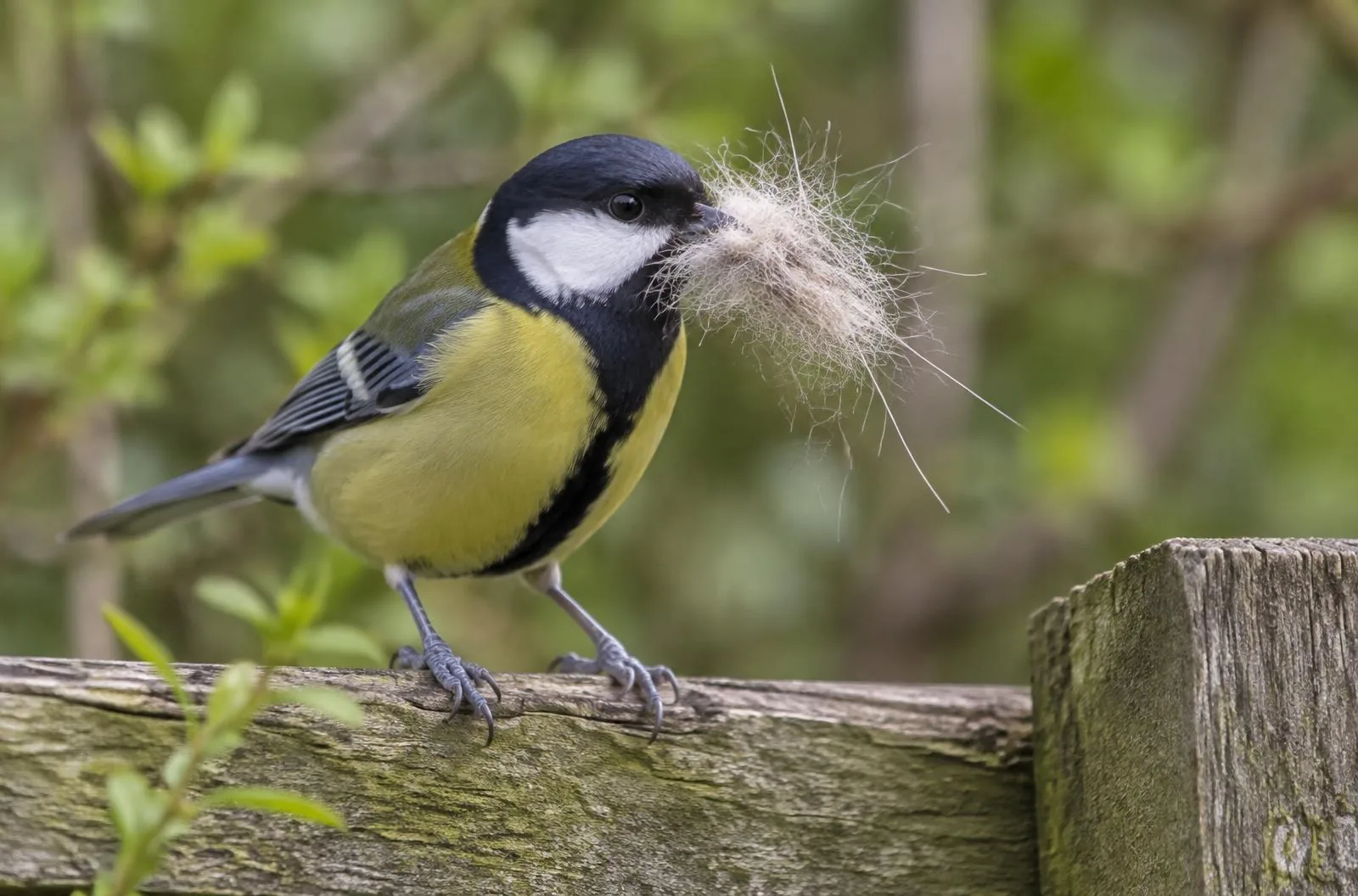
In 2025, researchers published a study examining insecticide contamination in 103 bird nests lined with animal fur.
Fipronil was detected in every nest tested. Imidacloprid and permethrin were also detected in a large proportion of the samples.
The researchers found associations between greater insecticide contamination and poorer reproductive outcomes, including more unhatched eggs or dead offspring.
Because this was an observational study, it cannot establish that the detected insecticides caused every adverse outcome.
Nevertheless, it demonstrates a potential environmental exposure pathway that deserves serious investigation.
I find this particularly important because our responsibility as animal caretakers extends beyond the individual dog.
The products we choose can have consequences for other living organisms.
7. The Problem With Thinking About Exposure One Product at a Time
Most owners do not administer a single product in isolation.
Their dogs eat food produced within an agricultural system. They drink water containing naturally occurring minerals and potentially trace contaminants. They encounter household cleaning products, grooming ingredients, lawn treatments, and parasite-control medications.
Each exposure has its own characteristics.
Some substances are rapidly metabolized and eliminated. Others persist longer or accumulate in particular tissues.
Some interact with biological pathways that overlap, while others have entirely different mechanisms.
This makes cumulative exposure difficult to study.
It would be scientifically inaccurate to assume that every exposure adds to a single measurable reservoir of toxins in the body.
But it is equally important to recognize that traditional product-by-product evaluations do not always answer every question about complex mixtures encountered over a lifetime.
For me, that uncertainty supports a practical principle: avoid unnecessary exposures when doing so does not create a greater risk.
I do not need to prove that every scented product, lawn treatment, or routine pesticide application causes chronic illness before deciding that I would rather minimize its use.
That is a husbandry preference based on precaution, not a claim that every avoided substance has been proven harmful.
8. When Convenience Becomes the Standard of Care
We have become accustomed to arranging our lives around convenience.
There is nothing inherently wrong with that.
But I believe convenience deserves greater scrutiny when it begins influencing decisions about the health of animals who depend entirely upon us.
A product that lasts for months may be attractive because it eliminates the need to remember another dose.
A heavily processed food may be attractive because it is inexpensive, shelf-stable, and easy to serve.
A strongly scented shampoo may be attractive because we enjoy how our dog smells afterward.
Yet convenience is only one consideration.
I want owners to ask what a product does, why it is needed, what alternatives exist, and how its benefits compare with its risks for their particular animal.
That requires effort.
It requires reading labels, understanding ingredients, examining dogs after outdoor activity, maintaining appropriate health testing, and paying attention to subtle changes in condition.
Sometimes it means accepting inconvenience.
I believe that is part of excellent animal husbandry.
“Natural rearing is not about finding the easiest way to care for a dog. It is about being willing to do the work.”
The Owners I Hope to Partner With
At Corn Moon Medicine Dogs, I am deliberate about the families who receive my puppies.
I want to work with people who are willing to learn, ask questions, and take responsibility for the health of the animals entrusted to them.
That does not mean every family must have the same knowledge or experience when they begin.
It means they must be willing to develop it.
I believe thoughtful ownership involves more than purchasing the right products.
It means understanding the dog as a living organism whose health depends on nutrition, environment, genetics, immune function, exercise, relationships, and appropriate medical care.
It means recognizing that health decisions are rarely as simple as choosing between natural and conventional.
Every intervention deserves evaluation.
Every decision has consequences.
And every dog deserves an owner willing to do the work.
9. What Natural Rearing Looks Like in Practice
For me, natural rearing begins with the daily environment.
I prioritize whole-food nutrition, careful ingredient sourcing, fresh air, appropriate exercise, environmental enrichment, and close observation.
I prefer to minimize unnecessary household chemicals, artificial fragrances, and routine pesticide applications.
I pay attention to parasite exposure, maintain veterinary relationships, and consider diagnostic testing an important part of monitoring health.
I also believe in questioning routine practices rather than accepting them simply because they have become customary.
These choices do not eliminate disease risk.
They are part of a broader philosophy of husbandry.
And I believe their long-term effects deserve investigation.
Learning From Generations
As a preservation breeder, I have an opportunity that many individual dog owners do not.
I can observe related animals across generations.
I can examine patterns in longevity, reproductive health, temperament, allergies, orthopedic outcomes, chronic disease, and other characteristics.
Over time, these records may help me identify trends within my breeding population.
They will not automatically prove that a particular dietary or environmental practice caused an improvement. Genetics, selection, management, and many other variables influence outcomes.
But carefully collected records can help us ask better questions.
This is something I hope to develop further through the NAID Preservation Project.
I want future breeders to have access to meaningful health information, including information about environmental management and lifetime outcomes.
If we are serious about preserving healthy dogs, we should be equally serious about documenting what happens to them throughout their lives.
10. A More Thoughtful Way Forward
I do not believe that responsible animal care should be governed primarily by habit.
Nor do I believe that every new product represents an improvement simply because it is more convenient or longer-lasting.
I want owners to think critically.
I want them to understand how parasites are transmitted, how medications work, how environmental exposures occur, and how nutrition influences health.
I want them to recognize the difference between an observation, a hypothesis, and a demonstrated finding.
And I want them to understand that reducing unnecessary chemical exposure is a meaningful goal, provided it does not come at the expense of protection against serious disease.
Natural rearing, as I practice it, is not passive.
It requires attention, education, and responsibility.
It asks us to consider the animal in front of us rather than assuming that every dog has identical needs.
It asks us to examine the environment we have created and the consequences of the choices we make.
And it challenges us to think beyond what is easiest.
Conclusion: The Responsibility That Comes With Knowing
Once you begin examining the substances that surround your dog, it becomes difficult to stop noticing them.
The food in the bowl.
The water in the dish.
The cleaner on the floor.
The treatment applied to the lawn.
The shampoo on the coat.
The medication administered because it is simply what everyone does.
Each choice may seem small.
But together, they form the environment in which an animal spends its entire life.
I believe we owe our dogs the effort of understanding those choices.
That does not mean living in fear of every unfamiliar ingredient or rejecting useful medical interventions.
It means asking questions before making decisions.
It means understanding both the risks of exposure and the risks of doing nothing.
It means choosing carefully, observing closely, and remaining willing to change our minds when better evidence becomes available.
Above all, it means remembering that the animals in our care do not get to make these decisions for themselves.
We make them.
And that responsibility deserves more than convenience.
It deserves our attention, our curiosity, and our willingness to do the work.
Frequently Asked Questions
Are pesticides found in commercial dog food?
Yes. A 2018 study found glyphosate in all 18 companion-animal feeds examined, and a 2026 study again found it in every dog and cat food tested, with dry kibble carrying significantly higher levels than wet food. No study has measured what these residues do to dogs over a lifetime, and I believe that gap is a reason for more caution.
Does glyphosate destroy a dog's gut microbiome?
No study has tested this directly in dogs. What we do know is that glyphosate blocks an enzyme carried by an estimated 54 percent of core human gut bacterial species, that it has been patented as an antimicrobial, that most of a swallowed dose passes through the gut unchanged, and that controlled rodent studies have repeatedly found shifts in gut bacteria, including a loss of lactobacilli, sometimes at doses set as safe for people. I don't believe we can responsibly assume a dog's microbiome is unaffected.
Is glyphosate banned in other countries?
Yes. About ten countries and territories prohibit it outright, including the six Gulf Cooperation Council states, Vietnam, and Togo. Many others restrict it: the European Union prohibits its use as a pre-harvest desiccant, Italy and Germany limit it further, and India allows only licensed pest control operators to apply it. Sri Lanka, Thailand, and Mexico each moved to ban glyphosate and later reversed course after farmers said they could not grow their crops without it or an affordable substitute. Glyphosate remains approved in the United States.
Are oral flea and tick medications dangerous?
Adverse reactions can occur, and I believe they happen more often than official reports show. The FDA has identified neurological adverse reactions associated with isoxazoline medications, including tremors, ataxia, and seizures, and research on veterinary reporting shows that most suspected drug reactions never reach regulators.
Do flea and tick medications prevent every tick-borne disease?
No. Products vary in how they repel or kill parasites, and protection against disease transmission depends on the product, pathogen, and exposure circumstances.
Are topical flea and tick treatments safer than oral medications?
Not necessarily. Their absorption, mechanisms, adverse effects, and environmental consequences differ. Some topical products provide repellency, but they can also cause adverse reactions and may be dangerous to other household animals.
Can indoor dogs get heartworm?
Yes. Indoor living may reduce mosquito exposure, but it does not eliminate the possibility of infection.
Are heartworm preventives completely effective?
No preventive method is an absolute guarantee. Approved medications have strong evidence of effectiveness when used correctly, but breakthrough infections and resistance can occur.
Is organic dog food completely pesticide-free?
No. Organic agriculture permits certain pest-control substances and does not guarantee zero residues. Organic certification does restrict specified agricultural chemicals and production practices.
What is the most important principle of natural rearing?
For me, it is informed responsibility: understanding an individual dog's needs, reducing unnecessary exposures, supporting overall health, and making decisions based on careful observation and the best available evidence.
References and Further Reading
- Zhao, J., et al. (2018). Detection of glyphosate residues in companion animal feeds. Environmental Pollution, 243, 1113–1118. https://pubmed.ncbi.nlm.nih.gov/30253302/
- International Agency for Research on Cancer. (2015). IARC Monograph on Glyphosate. https://www.iarc.who.int/featured--news/media-centre-iarc-news-glyphosate/
- Prairie Oat Growers Association. Keep It Clean: Managing Pre-Harvest Glyphosate. https://poga.ca/communication-advocacy/advocacy/keep-it-clean/keep-it-clean-managing-pre-harvest-glyphosate/
- Viljoen, C., Ogden, C., & Tantuan, S. S. (2026). Exposure of companion animals to glyphosate through commercial pet food. SSRN preprint. https://papers.ssrn.com/sol3/papers.cfm?abstract_id=6486581
- Liu, S. O., Campbell, G., Kanemitsu, K., Thomas, K. V., & Kaserzon, S. L. (2026). Domestic dog exposure to glyphosate in Australia. Environmental Toxicology and Chemistry, 45(9), 2558–2569. https://doi.org/10.1093/etojnl/vgag142
- Agency for Toxic Substances and Disease Registry. Toxicological Profile for Glyphosate, Chapter 3: Toxicokinetics. https://www.atsdr.cdc.gov/toxprofiles/tp214-c3.pdf
- Abraham, W. (2010). Glyphosate formulations and their use for the inhibition of 5-enolpyruvylshikimate-3-phosphate synthase. U.S. Patent No. 7,771,736, assigned to Monsanto Technology LLC. https://patents.google.com/patent/US7771736B2/en
- Leino, L., Tall, T., Helander, M., Saloniemi, I., Saikkonen, K., Ruuskanen, S., & Puigbò, P. (2021). Classification of the glyphosate target enzyme (5-enolpyruvylshikimate-3-phosphate synthase) for assessing sensitivity of organisms to the herbicide. Journal of Hazardous Materials, 408, 124556. https://doi.org/10.1016/j.jhazmat.2020.124556
- Mesnage, R. (2026). Effects of glyphosate and glyphosate-based herbicides on the mammalian gut microbiome: A critical review. Journal of Applied Toxicology. https://doi.org/10.1002/jat.70475
- Mao, Q., Manservisi, F., Panzacchi, S., Mandrioli, D., Menghetti, I., Vornoli, A., Bua, L., Falcioni, L., Lesseur, C., Chen, J., Belpoggi, F., & Hu, J. (2018). The Ramazzini Institute 13-week pilot study on glyphosate and Roundup administered at human-equivalent dose to Sprague Dawley rats: effects on the microbiome. Environmental Health, 17, 50. https://doi.org/10.1186/s12940-018-0394-x
- Nielsen, L. N., Roager, H. M., Casas, M. E., Frandsen, H. L., Gosewinkel, U., Bester, K., Licht, T. R., Hendriksen, N. B., & Bahl, M. I. (2018). Glyphosate has limited short-term effects on commensal bacterial community composition in the gut environment due to sufficient aromatic amino acid levels. Environmental Pollution, 233, 364–376. https://doi.org/10.1016/j.envpol.2017.10.016
- U.S. Department of Agriculture. (2019). Perdue Statement on Vietnam's Ban on the Importation of Glyphosate. https://www.usda.gov/about-usda/news/press-releases/2019/04/11/perdue-statement-vietnams-ban-importation-glyphosate
- Italian Ministry of Health. (2016). Decree revoking authorizations and modifying the conditions of use of plant protection products containing glyphosate. https://www.trovanorme.salute.gov.it/norme/renderNormsanPdf?anno=2016&codLeg=55619&parte=1+&serie=null
- European Food Safety Authority. Genetically Modified Organisms. https://www.efsa.europa.eu/en/topics/genetically-modified-organisms
- Sustainable Pulse. (2017). Six Middle Eastern countries ban glyphosate herbicides over 'probable carcinogen' fears (statement by Oman's Ministry of Agriculture and Fisheries). https://sustainablepulse.com/2017/10/13/six-middle-eastern-countries-ban-glyphosate-herbicides-over-probable-carcinogen-fears/
- Republic of Togo. (2019). Le Togo interdit le glyphosate. https://www.republiquetogolaise.tg/agro/2012-3915-le-togo-interdit-le-glyphosate
- Government of Bermuda. Glyphosate Monitoring Strategy. https://www.gov.bm/articles/glyphosate-monitoring-strategy
- Government of Saint Vincent and the Grenadines. (2018). Suspension of importation on Round-Up, Touchdown and Glyphos. https://www.gov.vc/index.php/media-center/883-suspension-of-importation-on-round-up-touchdown-and-glyphos
- European Commission. (2023). Renewal of the approval of glyphosate: Questions and answers. https://ec.europa.eu/commission/presscorner/detail/en/qanda_23_5793
- German Federal Ministry of Food and Agriculture. (2024). Glyphosat: Anwendungseinschränkungen bleiben bestehen. https://www.bmleh.de/SharedDocs/Archiv/Meldungen/2024/240614-glyphosat.html
- Mishra, P. (2022). Centre curbs glyphosate use, only professional pest controllers are allowed to spray. The Hindu BusinessLine. https://www.thehindubusinessline.com/economy/agri-business/centre-curbs-glyphosate-use-only-professional-pest-controllers-are-allowed-to-spray/article66057057.ece
- Dorlach, T., & Gunasekara, S. (2023). The politics of glyphosate regulation: lessons from Sri Lanka's short-lived ban. Globalization and Health, 19, 84. https://doi.org/10.1186/s12992-023-00981-2
- Dias, S. (2018). Glyphosate back: Plantations would take 10 yrs to recover. The Sunday Times (Sri Lanka). https://www.sundaytimes.lk/181223/business-times/glyphosate-back-plantations-would-take-10-yrs-to-recover-326072.html
- Reuters. (2019). Thailand reverses ban of chemicals use in pesticides. https://www.reuters.com/article/world/thailand-reverses-ban-of-chemicals-use-in-pesticides-idUSKBN1Y1145/
- Mexico News Daily. (2024). Mexico postpones glyphosate ban citing lack of available alternatives. https://mexiconewsdaily.com/news/mexico-postpones-glyphosate-ban-gmo/
- Government of Luxembourg. (2023). Government position following the annulment of the withdrawal of the authorisations for plant protection products containing glyphosate. https://gouvernement.lu/en/actualites/toutes_actualites/communiques/2023/04-avril/07-annulation-retrait-glyphosate.html
- Tran, Q. D., Hendriks, W. H., & van der Poel, A. F. B. (2008). Effects of extrusion processing on nutrients in dry pet food. Journal of the Science of Food and Agriculture, 88(9), 1487–1493. https://doi.org/10.1002/jsfa.3247
- National Institutes of Health, Office of Dietary Supplements. Folate: Fact Sheet for Health Professionals. https://ods.od.nih.gov/factsheets/Folate-HealthProfessional/
- Pereira, A. M., Maia, M. R. G., Fonseca, A. J. M., & Cabrita, A. R. J. (2021). Zinc in Dog Nutrition, Health and Disease: A Review. Animals, 11(4), 978. https://pubmed.ncbi.nlm.nih.gov/33915721/
- U.S. Food and Drug Administration. Fragrances in Cosmetics. https://www.fda.gov/cosmetics/cosmetic-ingredients/fragrances-cosmetics
- Steinemann, A. C., MacGregor, I. C., Gordon, S. M., Gallagher, L. G., Davis, A. L., Ribeiro, D. S., & Wallace, L. A. (2011). Fragranced consumer products: Chemicals emitted, ingredients unlisted. Environmental Impact Assessment Review, 31(3), 328–333. https://doi.org/10.1016/j.eiar.2010.08.002
- U.S. Food and Drug Administration. (2019). Compliance Policy Guide Sec. 653.100: Animal Grooming Aids. https://www.fda.gov/media/121177/download
- National Institute of Environmental Health Sciences. Endocrine Disruptors. https://www.niehs.nih.gov/health/topics/agents/endocrine
- Schreurs, R. H., Quaedackers, M. E., Seinen, W., & van der Burg, B. (2002). Transcriptional activation of estrogen receptor ERα and ERβ by polycyclic musks is cell type dependent. Toxicology and Applied Pharmacology, 183(1), 1–9. https://pubmed.ncbi.nlm.nih.gov/12217637/
- Natural Resources Defense Council. (2007). New Study: Common Air Fresheners Contain Chemicals That May Affect Human Reproductive Development. https://www.nrdc.org/press-releases/new-study-common-air-fresheners-contain-chemicals-may-affect-human-reproductive
- Karthikraj, R., Lee, S., & Kannan, K. (2019). Urinary concentrations and distribution profiles of 21 phthalate metabolites in pet cats and dogs. Science of the Total Environment, 690, 70–75. https://pubmed.ncbi.nlm.nih.gov/31284197/
- Makowska, K., Martín, J., Rychlik, A., Aparicio, I., Santos, J. L., Alonso, E., & Gonkowski, S. (2022). Biomonitoring parabens in dogs using fur sample analysis: Preliminary studies. Science of the Total Environment, 807, 150757. https://pubmed.ncbi.nlm.nih.gov/34619184/
- U.S. Environmental Protection Agency. WaterSense: Outdoors. https://www.epa.gov/watersense/outdoors
- U.S. Food and Drug Administration. Fact Sheet for Pet Owners and Veterinarians About Potential Adverse Events Associated with Isoxazoline Flea and Tick Products. https://www.fda.gov/animal-veterinary/animal-health-literacy/fact-sheet-pet-owners-and-veterinarians-about-potential-adverse-events-associated-isoxazoline-flea
- Davies, H., Blackwell, E., Fins, I. S., Noble, P. J. M., Pinchbeck, G., Pirmohamed, M., & Killick, D. R. (2024). Recording of suspected adverse drug reaction reporting in veterinary free-text clinical narratives. Journal of Small Animal Practice, 65(6), 361–367. https://doi.org/10.1111/jsap.13721
- Palmieri, V., Dodds, W. J., Morgan, J., Carney, E., Fritsche, H. A., Jeffrey, J., Bullock, R., & Kimball, J. P. (2020). Survey of canine use and safety of isoxazoline parasiticides. Veterinary Medicine and Science, 6(4), 933–945. https://doi.org/10.1002/vms3.285
- Bates, N., Dijkman, M. A., & Edwards, J. N. (2024). Neurological adverse effects of isoxazoline exposure in cats and dogs. Veterinary Record, 194(12), e4149. https://doi.org/10.1002/vetr.4149
- U.S. Food and Drug Administration. (2025). FDA Approves First Long-Acting Flea and Tick Treatment for Dogs. https://www.fda.gov/animal-veterinary/cvm-updates/fda-approves-first-long-acting-flea-and-tick-treatment-dogs
- American Heartworm Society. Canine Heartworm Guidelines. https://www.heartwormsociety.org/veterinary-resources/american-heartworm-society-guidelines
- Falconer, W. Heartworm Homeopathic Nosodes: Safe Help in Prevention. Vital Animal. https://vitalanimal.com/heartworm-nosodes/
- Holistic Center for Veterinary Care, Colden, New York. (2015). Herbal heartworm prevention study: wormwood and black walnut in 20 dogs, 1999–2014. AHVMA Journal, 38, 78. https://mainstreetvetservices.ca/files/2015/04/Blackwalnut-wormwood-heartworm-study.pdf
- Tassin de Montaigu, C., et al. (2025). High prevalence of veterinary drugs in bird’s nests. Science of the Total Environment. https://pubmed.ncbi.nlm.nih.gov/39875313/
The Natural Rearing Series
Continue the Natural Rearing Series
The earlier essays in this series look at diet, the microbiome, vaccination, titers and nosodes. Each one stands on its own, and together they trace how we think about health across generations.
- Part IThe Biological Diet: Why Food Shapes Generations
- Part IIThe Microbiome and the Immune System
- Part IIIVaccines, Immunity, and the Question of Overuse
- Part IVTiters, Exposure, and Natural Immunity
- Part VNosodes: History, Theory, Controversy, and Outcomes
- Part VIThe Chemical Burden of Modern Dog Ownership (you are here)