Native American Indian Dog Preservation Project
NAID Registry & DNA Records
Documenting ancestry. Preserving diversity. Building a stronger future for the Native American Indian Dog.
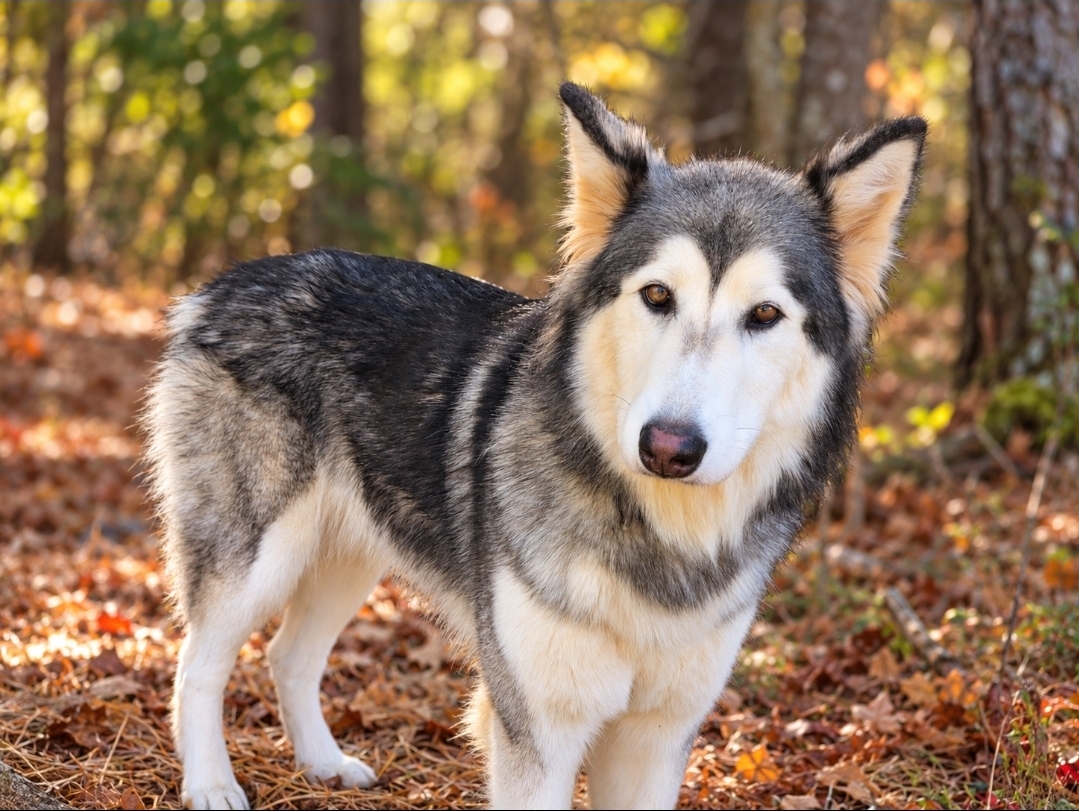
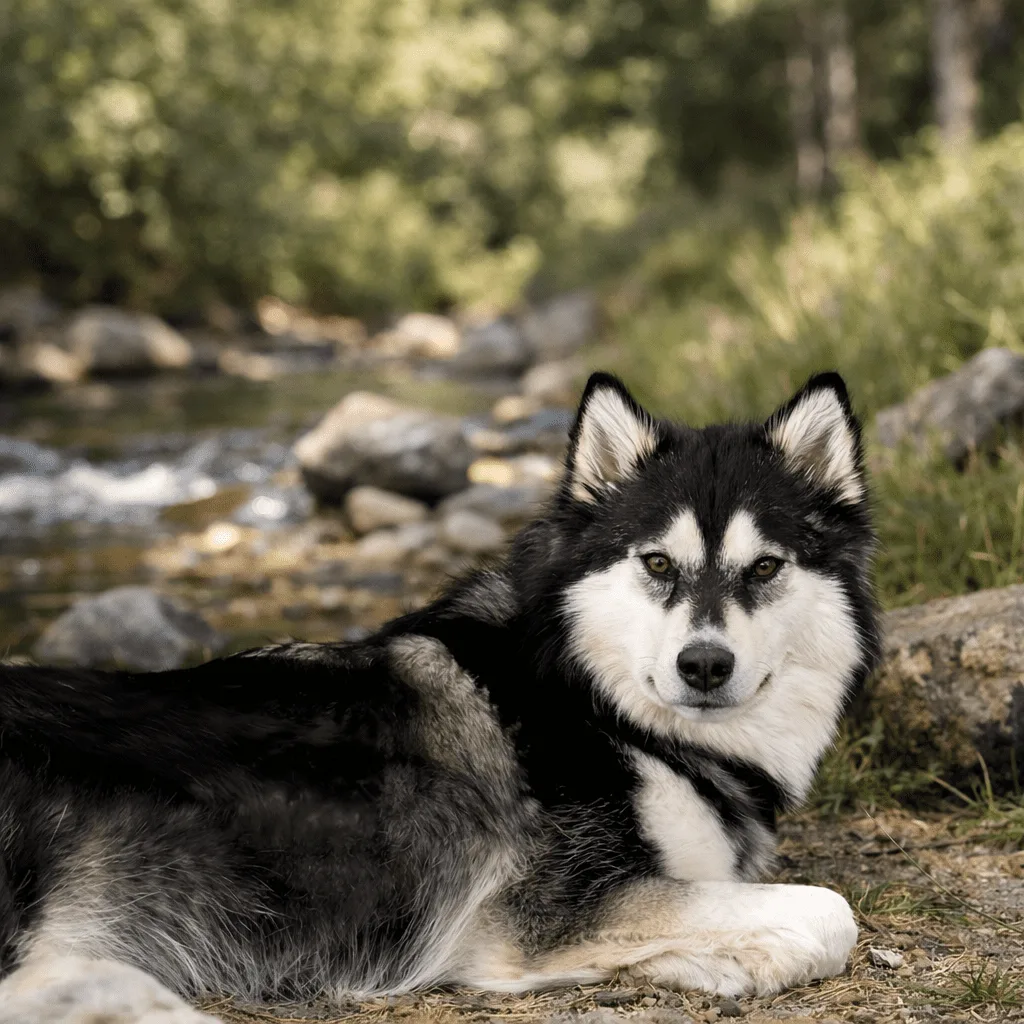
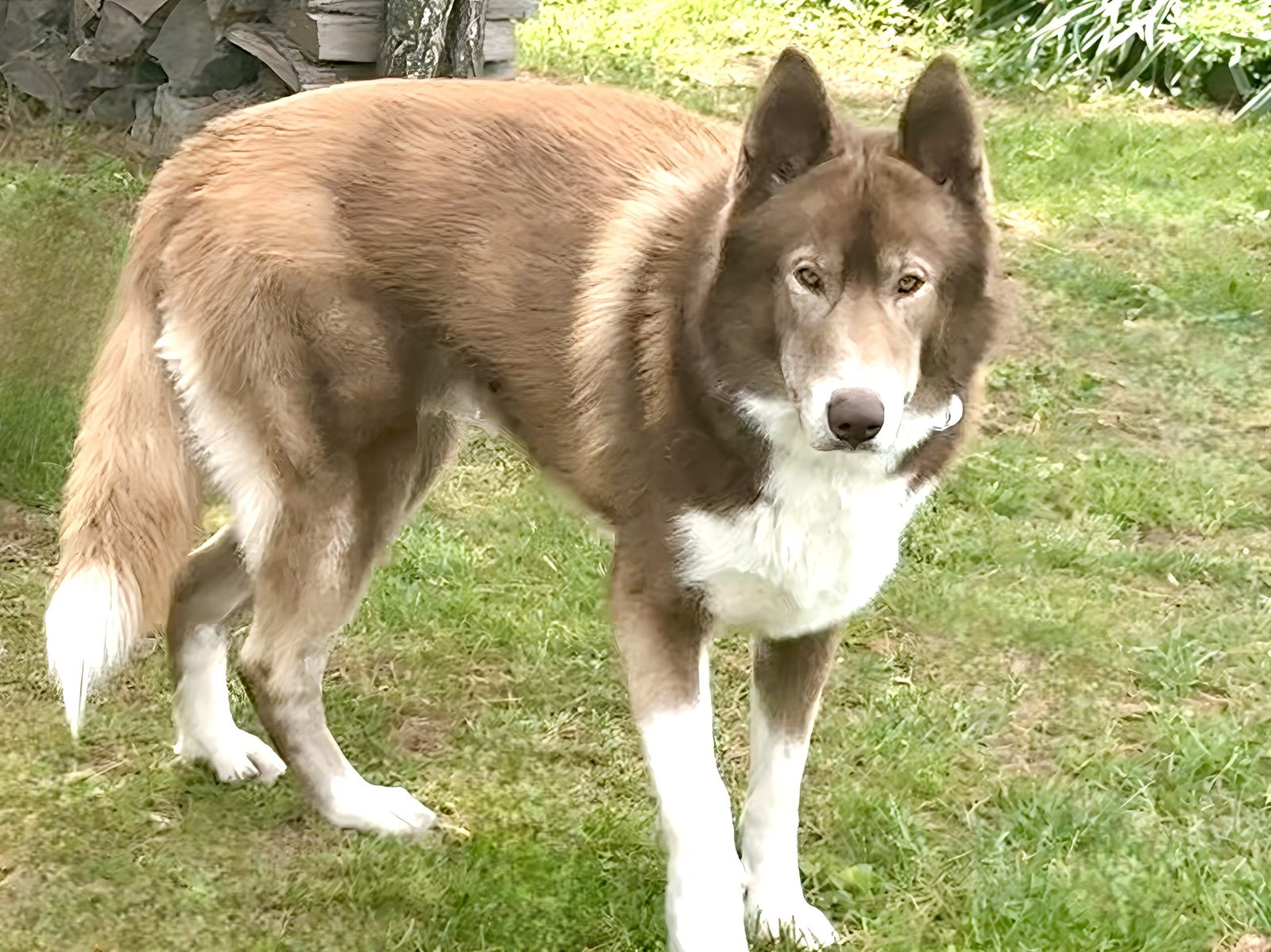
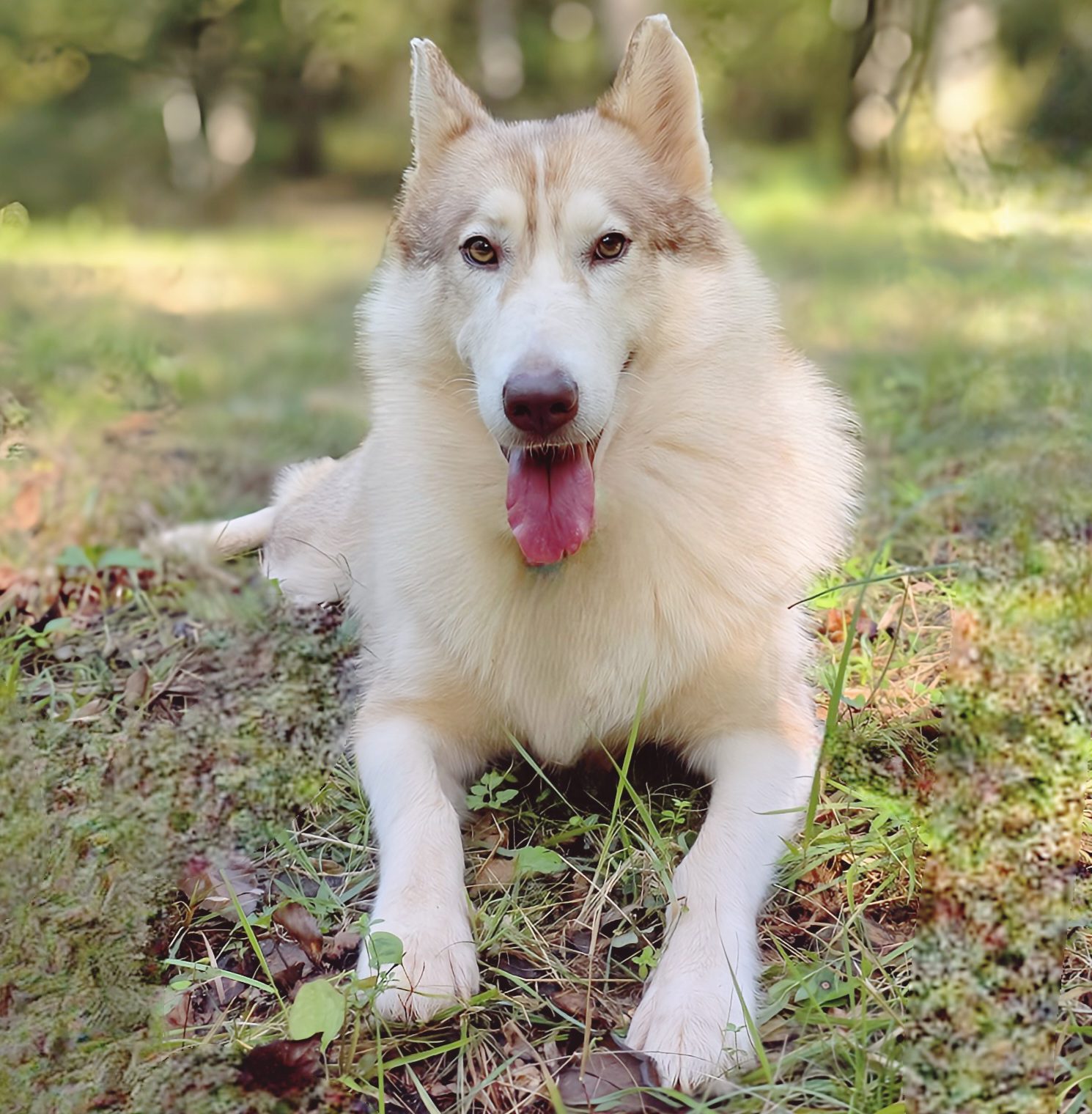
How owners and breeders can take part ↓Pictured: Tala (left), Holi (top right), and Tʋshka and Oktusha “Snow” (bottom right), four Corn Moon dogs of different coat colors and expressions.
A Preservation Registry for the NAID
The Native American Indian Dog was developed through several breeding programs, a number of foundation bloodlines and many generations of selection. Records from that history were kept with varying care, and much of what survives is scattered among individual breeders and owners.
In a population this small, gaps in the record cause real problems. A lost pedigree makes a bloodline hard to trace, and health information kept inside one program can’t help anyone else recognize an inherited concern.
The Native American Indian Dog Preservation Project, Inc. (NAIDPP), a 501(c)(3) nonprofit organization, was formed to address these problems through documentation, education and cooperation among breeders.
Its registry already keeps pedigrees, registration records and preservation classifications for the dogs it has documented. Alongside those records, the project is developing a broader historical, health and genetic database of the breed, where existing bloodlines can be connected, new generations documented, and information kept for the breeders and researchers who follow.
Related readingThe Preservation Program
 naidpp.org ↗
The NAIDPP Registry
A conventional breed registry records each animal’s identity and parentage. Preservation work needs a wider set of records kept side by side.
The NAIDPP registry currently records each documented dog’s pedigree, generation, classification and outcross history. The project is now extending that work into a wider database that brings genetic testing results and relevant health information together with those records, giving a clearer picture of the population as it changes from one generation to the next.
That database is still being built. Many historical bloodlines, especially those from programs whose records were never shared, have yet to be documented, and adding them is a central aim of the open registry.
Other organizations may accept NAIDs into general, multi-breed registries. The NAIDPP is not aware of another open registry dedicated to the NAID that is working to combine lineage and genetic documentation across the wider population.
Keeping these records in one place lets breeders trace where today’s dogs came from and follow how each line develops.
An Open Registry. A Shared Responsibility.
The NAIDPP registry is open to inquiries from Native American Indian Dog owners and breeders throughout the community, including those whose dogs do not descend from Corn Moon Medicine Dogs.
A dog does not need to come from the NAIDPP’s founding program to be considered for documentation.
The NAID population is still small, and its history is spread across many kennels and private homes. Some dogs carry well-documented pedigrees. Others descend from older programs whose records were incomplete, never shared, or lost when a breeder retired or passed away.
We recognize that some of these dogs may carry bloodlines of real value to the breed. If every dog with a gap in its paperwork were set aside, that ancestry could disappear before anyone had the chance to study it. A structured evaluation process gives the preservation project a fair and documented way to consider these animals.
Developmental and Foundation Registration
Breeders of other animals have faced the same problem, and open or graded registries are one of the ways they have handled it. In these systems an animal of incomplete ancestry can be recorded at an entry level, and its descendants move toward full registration over several generations as long as they continue to meet the breed standard.
The American Dairy Goat Association is one long-established example. Its published rules allow some goats of incomplete ancestry to be recorded, and their descendants can progress toward full registration over several generations when they continue to meet the breed standard.
The NAIDPP sets its own standards and has not adopted ADGA’s rules. The general principle is still useful. When an animal’s ancestry is incomplete, a structured evaluation can give it a documented starting point, and the generations that follow can be assessed and recorded under the registry’s own rules. The NAIDPP sees value in this approach for dogs of uncertain ancestry whose characteristics warrant a closer look.
How Dogs Are Evaluated
Each dog considered for foundation or developmental registration is assessed individually. Depending on the dog and the records available, an evaluation may look at:
- conformity to the NAID breed standard
- structural soundness
- temperament
- available pedigree information
- genetic ancestry testing
- health screening
- other relevant documentation
This list describes the kinds of evidence that may be considered. It is not a fixed checklist, and the NAIDPP decides which evaluations apply to an individual dog and determines its classification and eligibility.
Unknown ancestry does not by itself rule a dog out. At the same time, physical resemblance alone does not establish documented NAID ancestry, and every application is reviewed on its evidence.
Registration, developmental evaluation and breeding approval are separate decisions. A dog may be registered without being approved for breeding. A dog whose records are useful to population research may contribute that information without ever entering a breeding program.
Working Together Across Breeding Programs
No single kennel holds the whole history of the breed. Useful pedigrees, test results and health records sit with independent breeders and owners in many places, and the registry becomes more useful with every program that takes part.
Breeders who participate keep the identity of their own programs. Their kennel names, lines and breeding decisions remain their own, while the information they choose to share helps everyone see how the population fits together. We ask for accurate documentation and candor about what is known and what is uncertain, and we aim to offer the same courtesy in return.
Documenting Ancestry Through DNA
DNA testing gives breeders evidence earlier generations never had. Different tests answer different questions, and the results need careful reading.
Breed Ancestry and Reference Populations
A breed ancestry test compares a dog’s genetic markers with the reference populations held by the testing laboratory. Each laboratory uses its own reference panel and analytical methods, so one dog can receive different estimates from different companies. Breed percentages are statistical estimates shaped by those choices.
Some panels also add information about relationships and inherited health variants. Embark’s published breed list does not include the Native American Indian Dog as a separate breed, and its reports for a NAID should be read with that in mind.
For that reason, no single ancestry result settles whether a dog is a NAID or qualifies for registration. Ancestry associated with another breed does not automatically invalidate a documented NAID pedigree, and a particular percentage does not independently establish eligibility.
Recognition of the Native American Indian Dog in Commercial DNA Testing
The NAID Preservation Project has participated in two separate efforts to establish genetic reference populations for the Native American Indian Dog.
Our work with Wisdom Panel began in 2022. Over the following years, the project contributed genetic samples from documented NAID bloodlines to help establish a reference population representing the modern breed. In 2026, Wisdom Panel recognized the Native American Indian Dog following that collaborative effort.
A second project began in 2024 with Know Your Pet DNA, then owned by Ancestry and subsequently acquired by BioPet Laboratories. That project began with an existing reference population assembled from proprietary sources, along with additional submissions from Terra Pines. The original sources were not fully disclosed to our organization.
Both testing platforms now recognize the Native American Indian Dog, although their reference populations differ.
In our experience, Wisdom Panel's reference population provides a closer representation of contemporary NAID bloodlines because it incorporates samples contributed through our preservation work.
These differences matter when interpreting ancestry percentages. A dog with a well-documented pedigree may receive different breed estimates from different laboratories. Those estimates reflect comparisons with each company's reference population and should be considered alongside pedigree documentation, breeding history, and other available evidence.
Reading Pedigrees and DNA Together
A pedigree records the relationships people observed and wrote down. DNA testing adds evidence about ancestry, biological relationships, inherited variants and diversity. Each can reveal errors or gaps in the other: a parentage test may confirm a recorded litter, and a well-kept pedigree can help explain a puzzling result. The NAIDPP reads the two together and uses new evidence to improve its records over time.
Foundation Dogs, Outcrosses & Generations
The Native American Indian Dog was developed from several foundation populations, with carefully selected contributions from other breeds. A preservation registry has to record where those contributions came from and when they entered a line.
The NAIDPP’s developing registration system uses classifications to distinguish dogs of established NAID ancestry, foundation and developmental animals, and recorded outcross contributions. Generation designations show where a dog sits within a documented breeding sequence, and outcross classifications track the ancestry introduced into a bloodline.
For a breeder planning a litter years from now, these records answer practical questions. Which foundation dogs stand behind this line? When was an outcross made, and why? How closely are two prospective parents related through older ancestors? Formal definitions of each classification are set by the NAIDPP, which can provide current details on request.
Related readingBreed HistoryOfficial Breed StandardGenetic Diversity
Preserving Genetic Diversity
Maintaining genetic diversity is one of the hardest problems a small breed faces. When breeding concentrates ancestry in a few related animals, variation is lost and the risk of inherited disorders can rise, a pattern documented across many pedigree breeds.
Choosing breeding dogs therefore means weighing pedigree relationships, coefficients of inbreeding, health history, temperament and the representation of different bloodlines alongside a dog’s appearance and accomplishments.
Documenting more bloodlines gives a truer picture of the population we are working to preserve. Over time, these records can reveal family relationships, identify gaps in our knowledge, and support breeding decisions that maintain diversity. A carefully managed open registry may also bring forward qualified dogs from outside the current record. New ancestry carries risks as well as potential benefits, so each proposed contribution is weighed on its own merits.
Related readingGenetic Diversity and COI
What Registration Does and Does Not Guarantee
Registration documents a dog’s identity, classification and known ancestry within the registry’s system. It does not guarantee freedom from inherited disease, a sound temperament or suitability for breeding.
A DNA ancestry report has similar limits. Some panels also screen for specific inherited variants, but none replaces a full health evaluation.
Responsible breeding decisions draw on several kinds of evidence: orthopedic screening such as PennHIP or OFA hip evaluations, eye examinations by a veterinary ophthalmologist, genetic health testing, temperament assessment, and the health history of the dog’s relatives. Each record answers a different question, and no single certificate or laboratory report covers them all.
Related readingHealth & GeneticsPennHIP and OFA Screening
How NAID Owners and Breeders Can Participate
Your Dog May Be Part of the Bigger Picture
The NAIDPP welcomes inquiries from owners and breeders who would like to take part. Depending on your dog and your records, that might include:
Registering an Eligible NAID
Owners may ask about registration and the documents needed to establish their dog’s record.
Requesting Foundation or Developmental Evaluation
If your dog’s ancestry is incomplete or uncertain, you may ask whether it can be considered for evaluation under the NAIDPP’s current standards.
Contributing DNA Information
If your dog has completed a genetic ancestry or health panel, you may ask about submitting the report for the project’s documentation work.
Sharing Health and Pedigree Records
Health evaluations, historical pedigrees and information about related dogs can all add to what is known about particular lines.
Participating as a Breeder
Breeders who want to document and preserve their bloodlines are encouraged to contact the NAIDPP about registration and collaboration.
Every Dog Has a History Worth Recording
Many Native American Indian Dogs spend their lives as family companions and will never produce a litter. Their records can still contribute valuable information to the preservation effort, and you do not need to be a breeder to help.
An older pedigree may help connect two previously undocumented family lines. A genetic test may provide additional information about ancestry or inherited variants. Health evaluations and what you know about your dog’s relatives can contribute to a clearer understanding of conditions occurring within particular bloodlines.
Photographs, historical registration papers and information about dogs from breeding programs that no longer exist may also help preserve pieces of the breed’s history.
We encourage NAID owners to keep these records and to consider sharing relevant information with the preservation project. Sharing is always your choice. Anything you send is reviewed under the NAIDPP’s policies and used only with your consent, and submitted records are not automatically added to the registry.
A more complete understanding of the breed depends on information from the wider population, including the many dogs living in companion homes.
Participation does not require purchasing a dog from Corn Moon Medicine Dogs.
Submitting information does not guarantee registration or acceptance into a breeding program.
Have a Native American Indian Dog? We’d Like to Hear From You.
Whether your dog is a family companion or part of an established breeding program, your records may contribute to the preservation of the Native American Indian Dog.
Contact the NAID Preservation Project to learn about registration, developmental evaluation, DNA documentation, and opportunities to participate.
A Living Record for Future Generations
Some of the most useful information about a breed is also the easiest to lose.
Pedigrees are misplaced. Breeding programs close. Dogs pass away, and the people who knew their histories are no longer available to answer questions.
For a population as small and interconnected as the Native American Indian Dog, those losses can have lasting consequences.
The NAIDPP is working to bring this information together while it is still available. Each documented family line adds to our understanding of the breed and provides future breeders with information they may need to make responsible decisions.
We hope that owners and breeders throughout the NAID community will help us continue building this record.
The knowledge we preserve today will help determine what future generations are able to understand about these dogs.
Research & References
Breed Registration and Development
- NAIDPP: The NAID Registry. The Preservation Project’s own description of its registry, certificates, pedigrees and preservation classifications.
- NAIDPP: Nonprofit Statement. The Project’s 501(c)(3) status.
- American Dairy Goat Association: 2026 Guidebook, Article VIII, Rules for Registration and Recordation. ADGA’s published registration rules, including the graded recordation of goats with incomplete ancestry.
DNA Ancestry and Reference Populations
- NAIDPP: Native American Indian Dog FAQs. The Project’s account of its genetic verification work.
- Know Your Pet DNA (BioPet Laboratories): FAQs. How breed results are matched against the laboratory’s reference panel of known purebred dogs.
- Wisdom Panel: DNA Testing Explained. How a dog’s DNA is compared with a breed reference library, and the relatives and genetic health results some tests include.
- Embark: List of Dog Breeds in Our Database. Embark’s published list of the breeds its ancestry test reports.
- Embark Help Center: Can You Determine Sub-Populations? Embark reports a population only when it has its own distinct genetic signature.
Canine Genetics and Population Health
- Calboli et al., “Population Structure and Inbreeding From Pedigree Analysis of Purebred Dogs,” Genetics 179 (2008). Population structure and inbreeding in pedigree dog breeds.
- Lewis et al., “Trends in Genetic Diversity for All Kennel Club Registered Pedigree Dog Breeds,” Canine Genetics and Epidemiology 2 (2015). Changes in genetic diversity and inbreeding across dog breeds.
- Parker et al., “Genomic Analyses Reveal the Influence of Geographic Origin, Migration, and Hybridization on Modern Dog Breed Development,” Cell Reports 19 (2017). Genomic evidence of crossing and migration in the development of modern breeds.
- Orthopedic Foundation for Animals: Frequently Asked Questions. OFA’s answers on health clearances, including which DNA test results it accepts for registration.
- OFA: Hip Screening Procedures and OFA: Eye Certification. Separate radiographic and ophthalmic assessments.
These sources support general registry, testing and population-genetics concepts. They do not independently confirm NAIDPP-specific ancestry, classifications or registration decisions, or any individual dog’s results. Provider pages describe each laboratory’s methods in their own words.