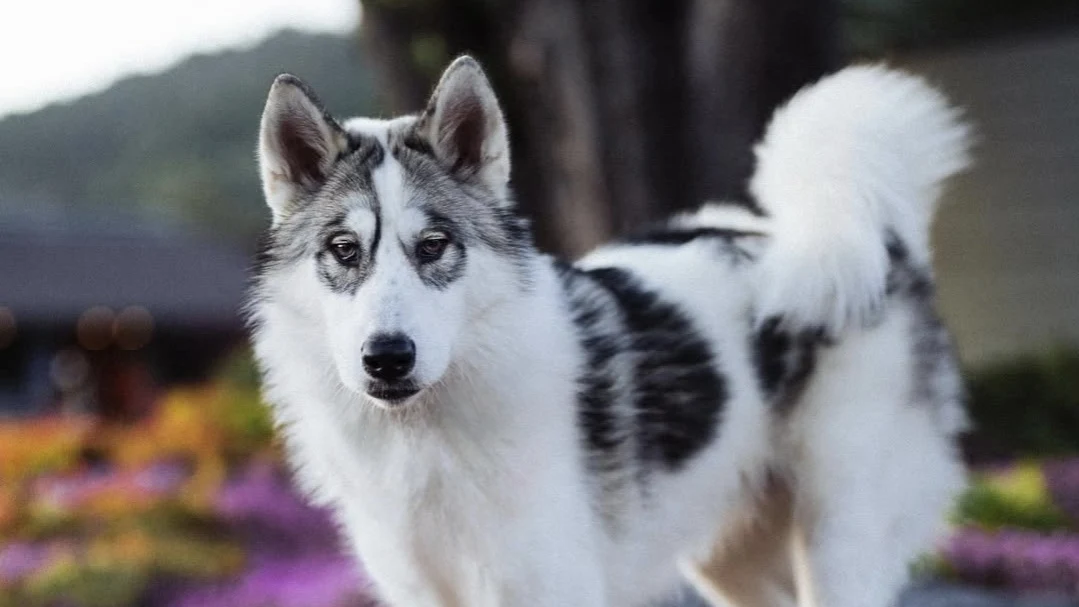
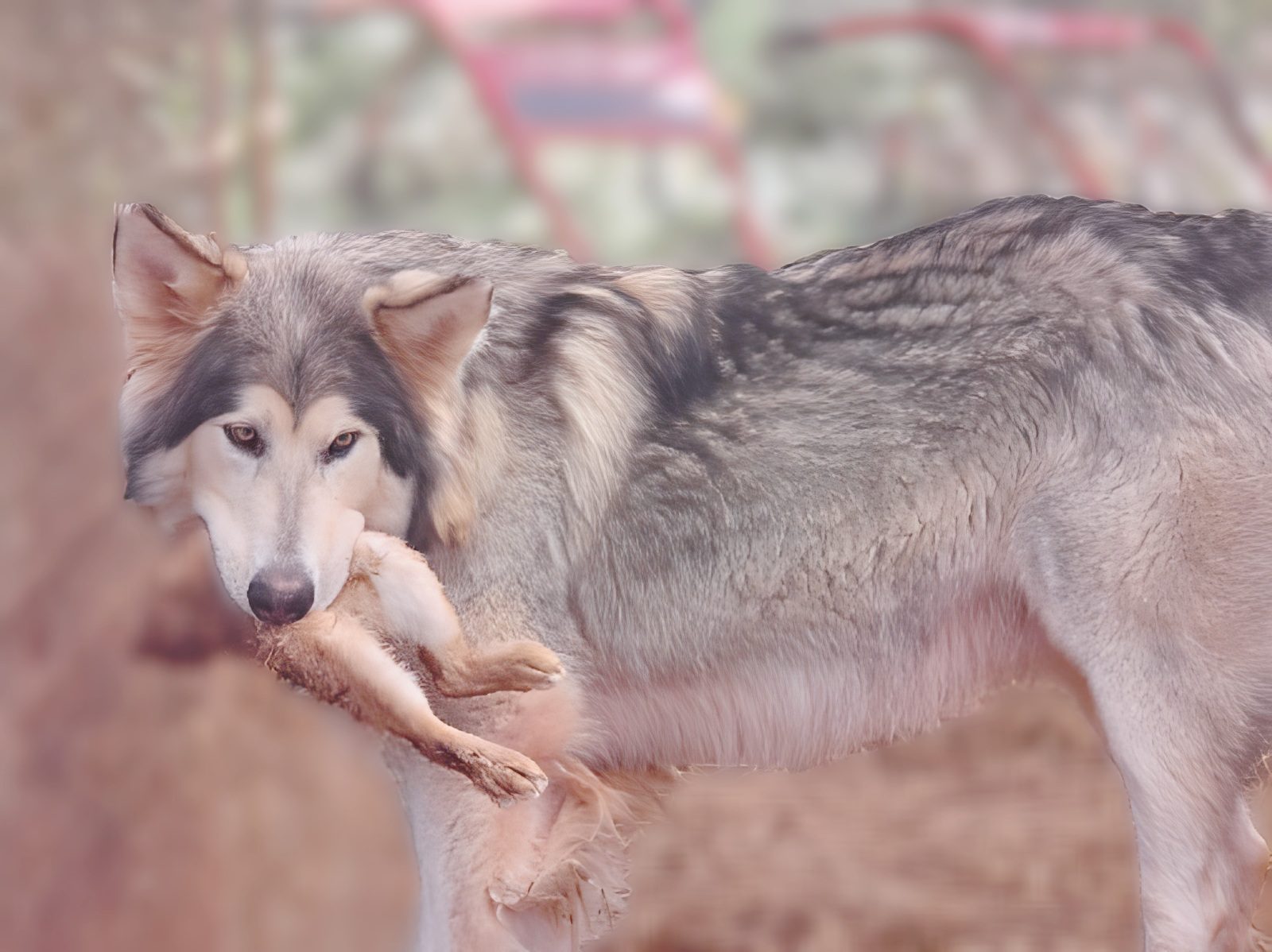
Corn Moon Medicine DogsNative American Indian Dogs

CORN MOON MEDICINE DOGS · OUR PHILOSOPHY

Natural Rearing: A Generational Commitment to Health

At Corn Moon Medicine Dogs, natural rearing is more than a feeding philosophy or an alternative approach to animal husbandry. It is a long-term commitment to nurturing health, supporting biological resilience, and making thoughtful decisions that may influence the wellbeing of generations to come.

Our approach brings together whole-food nutrition, individualized veterinary care, comprehensive health testing, intentional breeding, and a deep respect for the relationship between animals and their environment.

We believe preservation means looking beyond the health of an individual dog to consider the future of the entire breed.

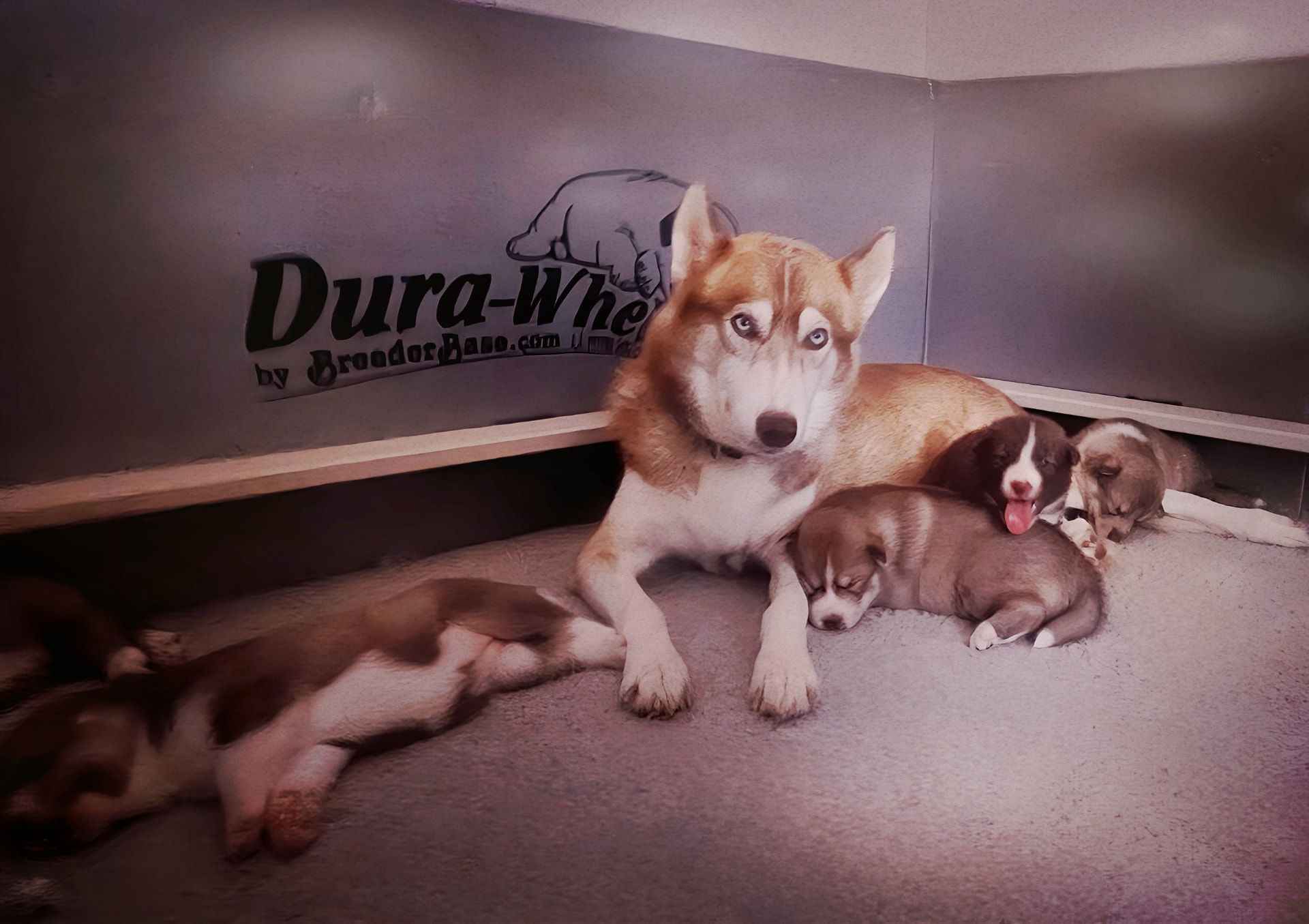
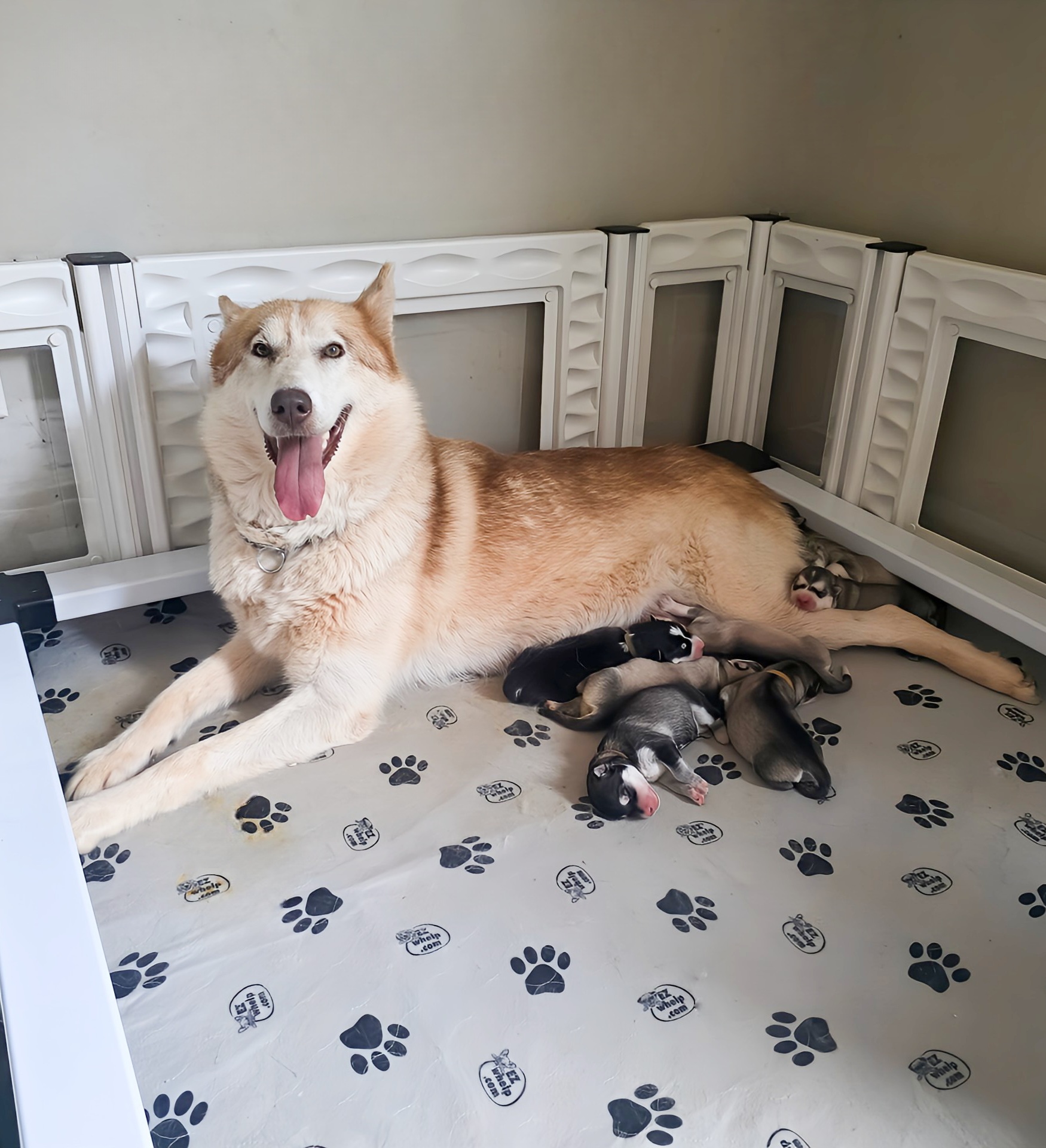
Oktusha, a tan-and-cream Corn Moon dam, lying with her tongue out beside her newborn Hozho Path Clan litter inside the home whelping pen
Oktusha and the Hozho Path Clan in the home whelping pen.

Our philosophy

Understanding Natural Rearing

Natural rearing is a philosophy of animal husbandry centered on supporting health through nutrition, environment, thoughtful preventive care, and an understanding of the animal as a whole.

Within the natural-rearing community, practitioners frequently emphasize fresh, species-appropriate nutrition, reduced unnecessary chemical exposure, responsible breeding, environmental enrichment, and individualized healthcare decisions.

Natural rearing does not have one universally accepted definition. Practices vary among breeders, families, and veterinary professionals.

At Corn Moon, we approach natural rearing as an ongoing process of education, observation, and responsible stewardship.

We do not believe that natural methods eliminate the need for veterinary medicine, diagnostic testing, or conventional treatment when necessary.

Our goal is to combine the practices we value with careful health monitoring, informed veterinary guidance, and long-term evaluation.

Natural rearing is not simply about what we choose to avoid. It is about what we intentionally provide.

Why it matters to Corn Moon

Preservation Begins With Health

The Native American Indian Dog is a developing breed with a relatively limited breeding population and a complex history of foundation stock, selective breeding, and outcrossing.

Preserving this breed requires attention to genetic diversity, structural soundness, temperament, reproductive health, and longevity.

Corn Moon's philosophy is that comprehensive health testing and thoughtful breeding decisions should be accompanied by equally thoughtful lifelong husbandry.

We want to understand not only whether our dogs pass their health examinations, but also how they age, reproduce, recover, and develop across generations.

For us, preservation is not simply the production of dogs that meet a physical standard. It is the pursuit of a population capable of maintaining functional soundness, stable temperament, vitality, and meaningful longevity.

Our natural-rearing philosophy is one component of that broader preservation strategy.

We do not claim that natural rearing alone can eliminate hereditary disease or guarantee exceptional longevity.

Rather, we believe that consistent husbandry, careful selection, appropriate veterinary care, and multigenerational observation are worth pursuing together.
Six principles of everyday husbandry

How We Raise Our Dogs

Each principle carries equal weight. Together they describe how our dogs live, eat, are cared for and are evaluated.

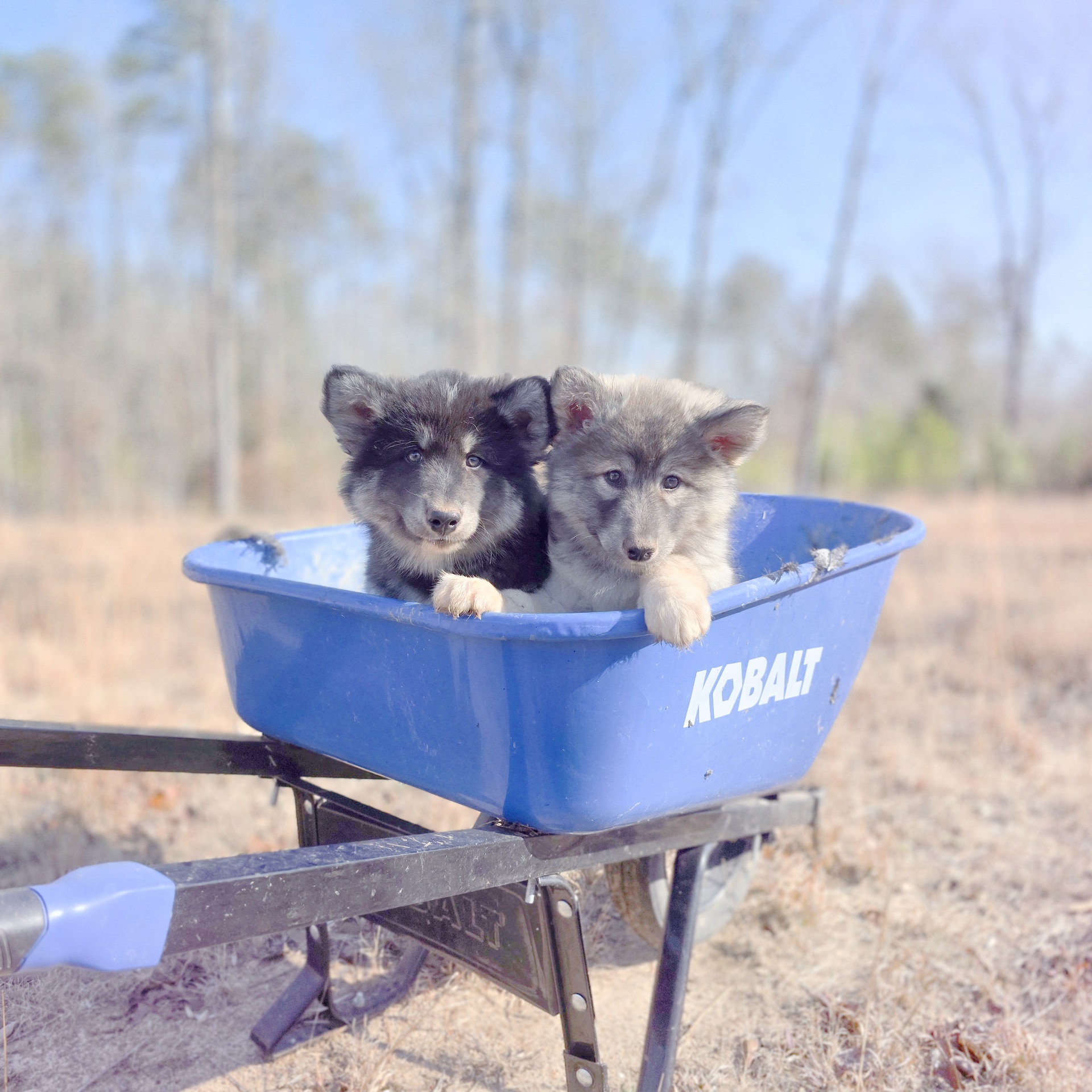
Two Corn Moon puppies, one gray and one sable, standing side by side in a blue wheelbarrow outdoors
Everyday farm life: two puppies exploring the wheelbarrow.
  1. 01

    Whole-Food Nutrition

    Our dogs are raised on carefully planned whole-food diets rather than conventional kibble.

    We emphasize fresh, minimally processed ingredients and individualized feeding appropriate to each dog's age, reproductive status, and physical needs.

    Whole-food feeding can take several forms. What matters is that the diet remains nutritionally complete and appropriate for the individual dog.

    Continued whole-food nutrition is an important part of Corn Moon's placement philosophy and contractual expectations.

  2. 02

    Thoughtful Preventive Care

    We work with veterinary professionals, including holistic practitioners, to develop individualized preventive-care plans.

    Our philosophy emphasizes careful consideration of the necessity, timing, and suitability of interventions rather than automatically applying identical protocols to every dog.

    We recognize the importance of effective disease prevention, prompt treatment when needed, and compliance with applicable law.

  3. 03

    Environmental Stewardship

    Our dogs are raised in a working agricultural environment where outdoor activity, exploration, fresh air, and meaningful interaction are part of everyday life.

    We emphasize clean living spaces, responsible sanitation, physical activity, enrichment, and appropriate management of environmental risks.

  4. 04

    Individualized Parasite Management

    We favor thoughtful parasite-management decisions informed by veterinary guidance, local exposure risks, and appropriate diagnostic testing.

    We seek to avoid unnecessary chemical exposure while recognizing the importance of protecting dogs against parasites and the diseases they transmit.

  5. 05

    Comprehensive Health Testing

    Natural rearing does not replace formal health evaluation.

    Our preservation program incorporates genetic screening, orthopedic evaluation, ophthalmic examinations, thyroid testing, temperament assessment, pedigree research, and long-term health monitoring.

    We consider these tools essential to responsible preservation breeding.

  6. 06

    Behavioral and Developmental Enrichment

    Our puppies receive structured developmental experiences, including Early Neurological Stimulation, Early Scent Introduction, age-appropriate socialization, enrichment, and individual temperament evaluation.

    We believe behavioral wellbeing and physical health are inseparable parts of raising a sound, resilient companion.

Immunity, maternal antibodies & vaccination

A Thoughtful Approach to Immunity

Each part below is labeled to show whether it describes established immunology, published research and protocols, Corn Moon's own practice, or decisions that belong to each family.

Conceptual diagram

Maternal antibodies and puppy vaccination

A conceptual picture of how protection from the mother fades as a puppy grows, and why vaccine timing is a balance.

Antibody level ↑

Puppy's age →

  • Range of maternal antibody levels among individual puppies
  • Period of possible susceptibility
  • Level below which maternal antibodies may no longer protect reliably
  • Level at which maternal antibodies may interfere with vaccination
  1. Puppies receive maternal antibodies through their mother's colostrum shortly after birth.

  2. Maternal antibody levels generally decline as the puppy grows.

  3. While levels remain high enough, maternal antibodies can interfere with a vaccine's ability to stimulate the puppy's own immune response.

  4. A puppy may pass through a period when its maternal antibodies no longer protect reliably but can still interfere with vaccination. When this happens varies from puppy to puppy.

Conceptual diagram, not drawn to scale. It shows no specific ages, antibody values or percentages, and the curves are not taken from any single study.

Established veterinary immunology

Understanding Maternal Antibodies

Newborn puppies receive maternally derived antibodies through their mother's colostrum.

These antibodies provide temporary protection against infectious disease but can also interfere with the immune response to certain vaccines.

As maternally derived antibody levels decline, the likelihood that a vaccine will successfully stimulate an immune response generally increases.

This relationship has been extensively studied in canine immunology, including the work of veterinary immunologist Dr. Ronald Schultz.

However, maternal antibodies decline at different rates among individual puppies. There is no single age at which every puppy becomes fully responsive to vaccination.

An important consideration is the period during which maternal antibodies may no longer provide reliable protection against infection while still interfering with vaccination.

This is one reason vaccination schedules must consider both the likelihood of vaccine response and the risk of leaving a puppy susceptible to disease.

Published research and protocols

Why We Consider Vaccine Timing Carefully

Corn Moon's approach has been influenced by the research of Dr. Ronald Schultz and the published vaccination recommendations of Dr. W. Jean Dodds.

Their work has contributed to discussions about maternal antibody interference, duration of immunity, antibody titers, and avoiding unnecessary revaccination.

Dr. Dodds has published a minimal puppy-vaccination protocol that begins core vaccination at approximately 9–10 weeks, followed by additional vaccinations later in puppyhood. Her published schedule includes:

  • 9–10 weeks: distemper and parvovirus.
  • 14–15 weeks: a second distemper and parvovirus vaccination.
  • 18 weeks: a further parvovirus-only vaccination.
  • 20 weeks or older, where the law allows: rabies, given separately from other vaccines.

This schedule reflects an approach intended to account for maternal antibody interference while establishing protective immunity. It is not scientifically proven to be superior for every puppy or every disease-risk environment.

The underlying immunological principle is well established: maternal antibodies can interfere with vaccination, and delaying an initial dose may improve the likelihood of response in puppies whose maternal antibodies remain sufficiently high.

However, postponing vaccination can also extend the period during which some puppies remain susceptible to serious infectious diseases.

Corn Moon's own practice

Corn Moon's Own Practices

Within our own program, we have developed an individualized approach in consultation with our holistic veterinarian.

Our practices have included homeopathic nosodes, selective use of modified-live distemper/parvovirus vaccination around 16 weeks of age, and subsequent antibody-titer monitoring.

Our own protocol is not identical to Dr. Dodds's published three-dose puppy schedule.

Nosodes are not a vaccine, and we do not represent them as one.

Within conventional veterinary medicine there are no published studies demonstrating that nosodes are effective against canine parvovirus or distemper, and we do not claim there are. Within the holistic community they have been used for hundreds of years, with results that are hard to ignore.

We do not claim nosodes provide immunity. Our understanding is that they energetically support a developing immune system in doing its job better.

We share information about our practices transparently while encouraging families to examine the available evidence and consult qualified veterinary professionals.

We also recognize that antibody titers have different interpretive limitations depending on the disease, the test, and the timing. A positive titer may provide useful evidence of an immune response, but no single testing strategy can guarantee protection against every infectious disease.

Family decision-making

Respecting Individual Decisions

Not every Corn Moon family chooses the same preventive-care approach.

We encourage families to become educated about maternal antibody interference, vaccine timing, duration of immunity, and available veterinary recommendations.

Some families may choose a more conventional vaccination schedule, while others may wish to discuss selective protocols or titer monitoring with their veterinarians.

Our role is to provide education, explain our own practices, and support informed decision-making. We do not expect every family to adopt our personal veterinary preferences.

All families must comply with applicable rabies vaccination laws and other legal requirements.

A traditional natural-rearing framework

Thinking Beyond a Single Generation

One of the distinctive aspects of natural-rearing philosophy is its emphasis on continuity across generations.

Within some established natural-rearing communities, breeders describe a progression through several generations as a family line transitions into consistent natural-rearing practices.

The terminology often includes a first generation associated with transition or detoxification, a second described as a reset, and a third considered the beginning of an established natural-reared line.

These descriptions represent a traditional framework within the natural-rearing community rather than scientifically established stages of inherited biological change.

At Corn Moon, we value the underlying commitment to consistency, careful observation, and long-term evaluation.

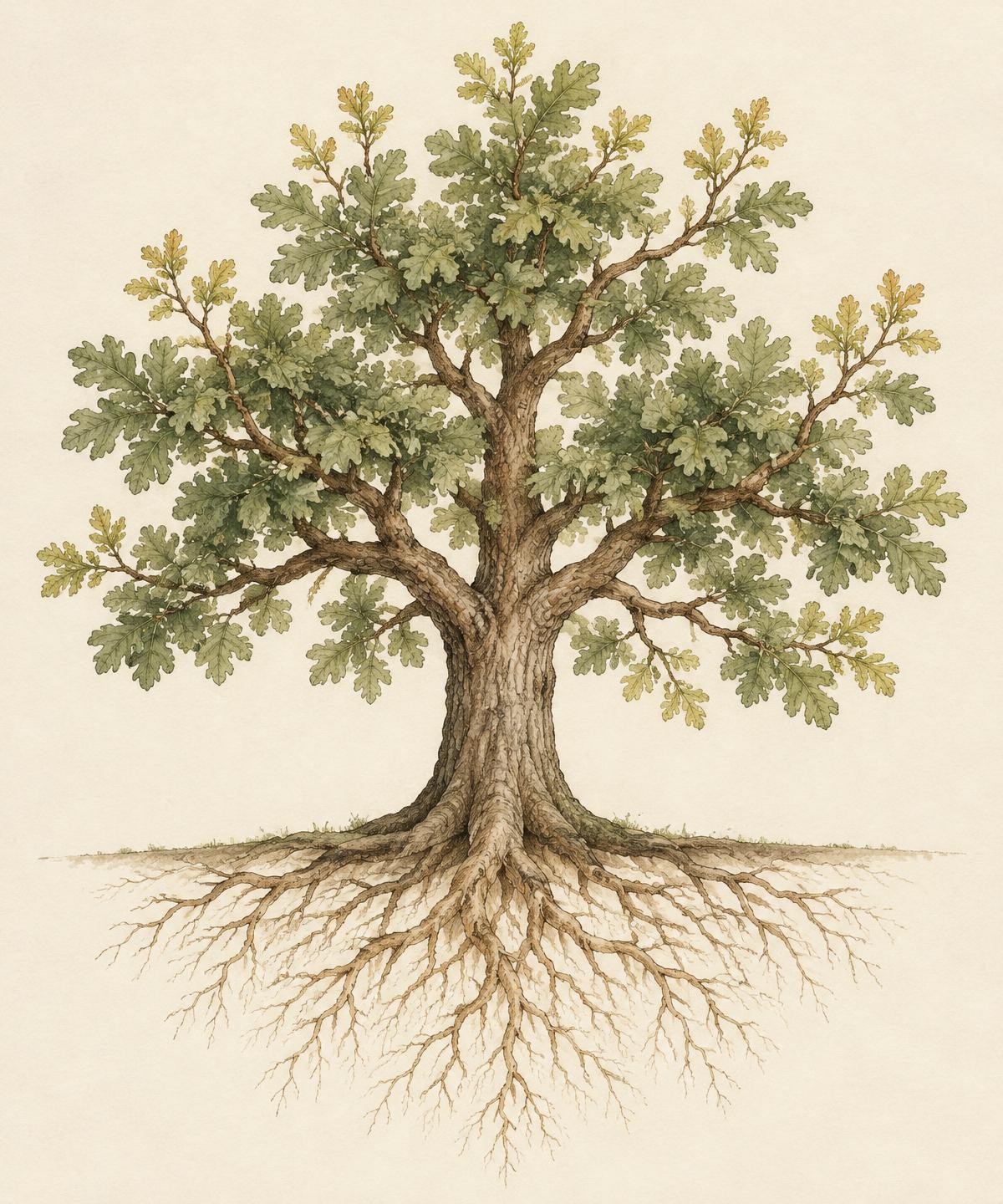
Watercolor and ink botanical illustration of a mature oak with a wide root system, established branches and pale new growth at the branch tips

The framework within natural-rearing communities

  1. Generation One

    Establishing the Foundation

    The first generation begins the transition to consistent natural-rearing husbandry.

    This includes establishing feeding practices, documenting health, evaluating reproduction, and recording baseline information for future generations.

  2. Generation Two

    Building Continuity

    The second generation is raised under an established set of husbandry practices.

    The emphasis shifts toward continuity, careful observation, and comparison of health, temperament, reproduction, and development.

  3. Generation Three and Beyond

    Preserving the Commitment

    By the third generation, breeders following this framework may describe the line as established within a multigenerational natural-rearing program.

    For Corn Moon, this represents an ongoing commitment to documentation, consistency, and evaluation rather than proof of biological purity or immunity from disease.

The value of a generational commitment lies not in declaring success at a particular milestone, but in building the continuity necessary to evaluate meaningful progress over time.

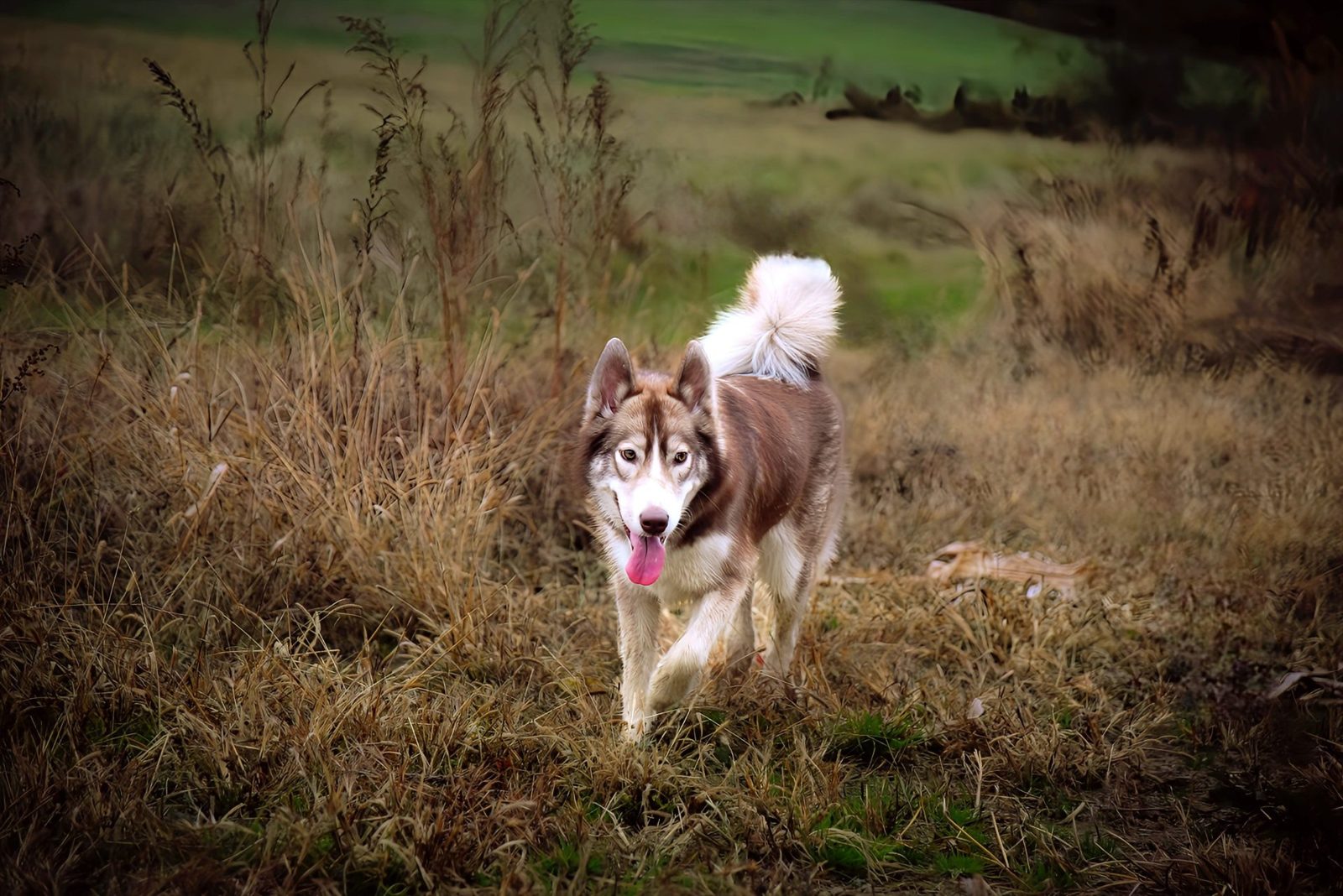
Raindancer, a blue-eyed copper-and-white Corn Moon dam, resting upright while her Seventh Generation Clan puppies settle around her in the whelping box
Raindancer with her retirement litter, the Seventh Generation Clan.

Preservation dams

The Importance of the Maternal Line

Maternal health has particular significance in our preservation philosophy.

Mitochondrial DNA is inherited through the maternal line, making maternal ancestry an important part of understanding biological inheritance.

Maternal nutrition, reproductive health, pregnancy conditions, and early developmental environments can also influence offspring wellbeing.

These factors are distinct from claims that natural-rearing practices automatically cleanse inherited DNA or eliminate genetic disease.

At Corn Moon, we pay particular attention to the health, reproductive history, temperament, and longevity of our preservation dams and their female descendants.

We believe that carefully documented maternal lines offer valuable opportunities to observe long-term patterns across generations. This is one reason we place such importance on continuity within our preservation program.

Our long-term vision

The Longevity We Hope to Restore

Our philosophy has been influenced by experienced natural-rearing mentors, some of whom have practiced these methods for several decades.

Their accounts of exceptionally long-lived dogs, including large breeds, have encouraged us to ask important questions about nutrition, husbandry, genetics, and the possibilities of long-term preservation.

Some mentors report dogs living substantially beyond the typical lifespan associated with their breeds. These experiences are meaningful sources of inspiration, although individual accounts do not establish that natural rearing itself causes exceptional longevity.

Our ambition is to contribute to a Native American Indian Dog population in which health, vitality, and functional soundness are maintained well into old age.

We recognize that longevity is influenced by genetics, disease risk, nutrition, environment, veterinary care, and many other factors.

Meaningful progress requires careful breeding decisions, transparent records, long-term follow-up, and multiple generations of evaluation.

Beyond producing healthy puppies today, our ultimate goal is to preserve healthier generations tomorrow.

Education & family autonomy

A Partnership That Continues Beyond Puppyhood

Every Corn Moon puppy begins life within our established rearing program. Once a puppy joins its family, that family becomes responsible for its lifelong wellbeing.

We believe responsible placement requires clearly communicated expectations and respect for the role of owners in making informed decisions.

We share our practices, explain our reasoning, provide educational resources, and encourage ongoing discussion with qualified veterinary professionals.

Some expectations, including continued whole-food nutrition, are incorporated into our placement agreements and contractual health guarantee.

Other decisions, including individualized medical care and preventive treatment, should be made with appropriate veterinary guidance, consideration of the dog's circumstances, and an understanding of any applicable contractual provisions.

We do not expect every family to share every personal preference that informs our own husbandry decisions. We do expect families to remain thoughtful, engaged, and committed to the wellbeing of their dogs.

Our responsibility is to provide a strong beginning. Your responsibility is to carry that commitment forward.

Explore Our Puppy Program

Learn from the broader community

Explore Natural Rearing Beyond Corn Moon

Natural rearing is a broader community of breeders, owners, educators, and veterinary professionals exploring different approaches to animal husbandry.

We encourage families to read widely, evaluate evidence, ask questions, and develop a well-informed understanding of the available perspectives.

Corn Moon participates in the natural-rearing community and values the opportunity to learn from experienced practitioners.

Natural Rearing Breeder Connection, Official Member, Verified 2026

Further resources

Natural rearing articles

Continue Learning

Our articles go deeper into nutrition, immunity, and the microbiome. They explain our reasoning and cite sources where they exist. They are not veterinary advice, and we encourage every owner to work with a veterinarian they trust.

The Natural Rearing Series

Six essays, best read in order.

Raw Feeding

How and why we feed whole, raw food.

Related reading: Breed Guide · Documented History · Breed Standard

A Different Way of Thinking About Preservation

At Corn Moon, natural rearing is part of a broader commitment to the future of the Native American Indian Dog.

We invite families who value education, thoughtful stewardship, responsible breeding, and long-term health to learn more about our preservation program.