
Part III of the Natural Rearing Series
Few subjects in modern canine health create stronger emotional reactions than vaccines.
For many people, the conversation feels black and white. Either someone supports vaccination completely and without question, or they are dismissed as irresponsible, anti-science, or dangerous. Nuance often disappears quickly. Fear takes over. The discussion shuts down before it ever truly begins.
But thoughtful people should be able to ask thoughtful questions. Questioning use is not the same thing as rejecting value. Questioning policy is not the same thing as denying science. Questioning pharmaceutical influence is not the same thing as believing veterinarians are malicious.
In fact, one of the most important realizations many owners eventually come to is that most veterinarians are practicing according to the standards they were taught. The deeper question is not whether veterinarians care about animals. Most absolutely do. The deeper question is whether the educational and financial structures surrounding modern veterinary medicine always encourage the most current and individualized understanding of immunology.
That is a very different conversation. And it is one worth having, because the reality is that immunology has evolved dramatically over the last several decades. Researchers studying duration of immunity, vaccine adverse events, immune regulation, inflammatory disease, and individualized risk assessment have raised increasingly important questions about routine revaccination practices and the long-term biological consequences of repeated immune stimulation. (Schultz, 2006; AAHA Canine Vaccination Guidelines, 2022)
At the same time, chronic inflammatory disease in dogs continues rising: allergies, autoimmune disorders, cancer, skin disease, digestive dysfunction, neurological disorders, and chronic immune dysregulation have become increasingly common across the modern canine population. (Hakansson & Molin, 2011; Shoenfeld & Agmon-Levin, 2011)
No single factor alone explains this trend. But increasingly, many owners and researchers are beginning to ask whether repeated pharmaceutical burden, environmental toxicity, chronic inflammatory exposure, microbiome disruption, and unnecessary medical intervention may all play a role within the larger terrain of the body.
Natural rearers are asking these questions not because they reject what we know about immunity. Quite the opposite. They are asking them because immunity matters deeply.
What Vaccines Actually Do

At their core, vaccines are designed to expose the immune system to antigens associated with infectious organisms in order to stimulate immune memory without producing full clinical disease.
The immune system responds by recognizing foreign material and generating defensive mechanisms such as antibody production and cellular immune memory. In many cases, this process can significantly reduce the severity of future disease exposure or prevent clinical illness altogether. (Tizard, Veterinary Immunology, 2018)
In order to create sufficient immune stimulation, many vaccines also contain adjuvants or other compounds designed to amplify the immune response. Depending on the product, vaccines may contain attenuated organisms, killed organisms, preservatives, stabilizers, residual proteins from growth mediums, adjuvants such as aluminum compounds, or trace amounts of substances used during manufacturing processes. (Centers for Disease Control Vaccine Excipient Documentation; Tizard, 2018)
This is where the conversation becomes far more complex than many people realize, because the immune system does not selectively respond only to the intended antigen. It responds to the entire immunological event occurring within the body. And while acute immune activation is part of how vaccination works, repeated immune stimulation is not biologically neutral. That fact alone deserves thoughtful consideration.
What Is Actually Inside a Vaccine?

One of the most surprising realizations for many people is how little the average person, and sometimes even medical professionals themselves, understand about what vaccines physically contain.
Most people understand vaccines conceptually. They are told vaccines “create immunity” or “stimulate protection.” But far fewer people have ever examined the actual components involved in that process.
Vaccines are not composed solely of viral or bacterial material. They are complex biological products containing multiple ingredients designed to stabilize, preserve, culture, or amplify immune response. (Plotkin’s Vaccines, 7th Edition)
Again, asking questions about these ingredients is not the same thing as rejecting all vaccination. It is simply informed inquiry. If repeated exposure is occurring over years or decades, it becomes reasonable to ask what biological effects cumulative exposure may create over time, particularly in animals already experiencing chronic inflammatory burden, microbiome disruption, environmental toxicity, and immune dysregulation.
Antigens and Attenuated Organisms
At the center of every vaccine is an antigen, which is the substance intended to stimulate immune recognition.
Depending on the vaccine, this may involve weakened live organisms, killed organisms, or fragments of viruses or bacteria designed to trigger immune memory without ideally causing full clinical disease. In modified-live vaccines, organisms are attenuated, meaning they are altered or weakened in order to reduce pathogenicity while still remaining capable of stimulating immune response.
This process is often presented very simply to the public, but biologically it is a highly complex immunological event involving inflammatory signaling, cellular activation, antibody production, cytokine release, and immune memory formation. And importantly, the immune system is responding not only to the intended pathogen material, but to the entire formulation surrounding it.
Growth Mediums and Residual Proteins
In order to produce vaccines, organisms must first be cultured and replicated within biological growth mediums. Depending on the vaccine, this process may involve substances such as:
- chicken embryo tissue,
- egg proteins,
- fetal bovine serum,
- porcine-derived materials,
- cell cultures,
- or other biological substrates used to grow viral organisms during manufacturing.
Even after purification processes, trace residual proteins from these growth mediums may remain present within the final product. This becomes especially interesting when discussing immune sensitivity and allergic disease because the immune system does not compartmentalize exposure the way many people imagine. It responds broadly to foreign proteins and inflammatory signals encountered during the vaccination process.
Some researchers and clinicians have questioned whether repeated exposure to certain residual proteins may contribute, in susceptible individuals, to heightened immune reactivity or sensitization over time. While many aspects of this discussion remain debated and require further research, the broader question itself is biologically reasonable, grounded, and increasingly relevant within conversations surrounding allergies, immune dysregulation, and chronic inflammatory disease. (Children’s Hospital of Philadelphia Vaccine Ingredient Overview; Plotkin’s Vaccines)
Adjuvants and Immune Amplification
Many vaccines also contain adjuvants, which are substances added specifically to intensify or amplify immune response. Without adjuvants, some vaccines would not generate sufficient immune stimulation to create strong antibody production or lasting immune memory.
One of the most commonly discussed adjuvants involves aluminum salts, which have been used for decades in both human and veterinary vaccines because of their ability to enhance immune activation. This is where an important distinction must be made.
The concern surrounding adjuvants is not that the immune system reacts to them. That is precisely what they are designed to provoke. The question is how and to what degree repeated inflammatory stimulation through adjuvant exposure contributes to excessive immune activation, chronic inflammation, or immune dysregulation in susceptible individuals over time.
Researchers are exploring the associations between adjuvant exposure and inflammatory or autoimmune phenomena. Natural rearers view this conversation through the lens of cumulative burden. One exposure may not create visible harm. Repeated exposure across years within an already inflamed terrain can, and often does, represent a very different biological equation. (Exley, 2014; Shoenfeld & Agmon-Levin, 2011)
Preservatives and Stabilizers
Vaccines may also contain preservatives and stabilizing compounds intended to prevent contamination or maintain product integrity during storage and transportation.
Historically, certain vaccines contained thimerosal, a mercury-containing preservative used to inhibit bacterial growth in multidose vials. Although thimerosal has been reduced or removed from some products over time, discussions surrounding mercury exposure contributed significantly to broader public conversations about cumulative toxicological burden and neurological safety.
Other compounds, including formaldehyde residues, can also be present as a result of manufacturing processes or viral inactivation methods. Formaldehyde itself is a biologically active chemical compound known to be toxic at sufficient exposure levels.
This does not automatically mean every exposure creates measurable harm. Toxicology is highly dependent on dose, frequency, route of exposure, detoxification capacity, inflammatory status, and cumulative burden over time. But this is precisely why natural rearers believe repeated unnecessary exposure deserves careful scrutiny rather than blind repetition. When discussing biological systems, cumulative exposure matters! (ATSDR Formaldehyde Toxicological Profile; CDC Vaccine Excipient List)
The Difference Between Emergency Medicine and Repetitive Exposure
One of the most important distinctions often missing from vaccine conversations is the difference between occasional medically necessary intervention and repeated routine exposure over many years.
Most natural rearers are not arguing that every vaccine should never be used under any circumstance. Rather, they are asking:
- Which vaccines are truly necessary?
- For which animals?
- At what frequency?
- Under what risk profile?
- And once immunity exists, why repeat exposure unnecessarily?
These questions become especially important when discussing ingredients already recognized as biologically active, inflammatory, or potentially toxic at sufficient cumulative exposure levels.
This is far from fear-based thinking. It is risk-benefit analysis because the body does not experience each exposure in isolation. The immune system exists within the broader terrain of the body itself: the microbiome, the nervous system, the detoxification pathways, the inflammatory environment, the nutritional state, and the cumulative chemical burden carried over time. And the deeper many people study chronic disease, the more difficult it becomes to ignore the possibility that repeated inflammatory and toxicological burden may contribute to the modern epidemic of immune dysregulation we now see across both people and animals.
The Difference Between Natural Exposure and Injection

One of the most overlooked aspects of vaccine discussions involves the route through which immune exposure occurs.
In nature, animals typically encounter pathogens through mucosal surfaces: the nose, mouth, respiratory tract, digestive tract, and associated lymphatic tissues. (Mestecky et al., Mucosal Immunology, 2015)
These systems contain specialized immune structures specifically designed to interact with environmental organisms while regulating inflammatory response appropriately.
Injection bypasses many of these first-line defenses entirely. Instead, antigens and accompanying compounds are introduced directly into tissue, often deep within muscle or beneath the skin, creating a fundamentally different immunological event than natural environmental exposure. This does not automatically make vaccination inherently harmful, but it does raise important questions regarding:
- inflammatory intensity,
- adjuvant exposure,
- immune regulation,
- and the cumulative biological effect of repeated stimulation over time.
Natural rearers often believe this distinction matters profoundly because the body evolved encountering pathogens primarily through mucosal interaction, not repeated injectable exposure throughout life. Again, the point is not fear. The point is understanding mechanism.
Duration of Immunity and the Question Few People Ask

One of the most important developments in veterinary immunology over the last several decades has been duration-of-immunity research.
Researchers such as Ronald Schultz and Jean Dodds have spent years studying vaccine immunity, antibody persistence, and revaccination protocols in dogs.
Their work helped challenge the long-standing position that annual revaccination for core vaccines was universally necessary. In fact, research has repeatedly demonstrated that many core vaccines may confer immunity lasting many years and, in some cases, potentially for life following proper immunization protocols. (Schultz et al., Challenge Studies; AAHA Guidelines, 2022)
This raises a remarkably important question:
If immunity frequently persists long after vaccination, why do so many keepers still believe routine frequent boosters are biologically necessary in every dog?
This is where titers become important. A titer test measures the presence of antibodies associated with a particular disease exposure or vaccination history. Titers are not perfect, and importantly, they are not the entire picture of immunity, but they do provide meaningful information regarding existing immune memory. (Dodds, Hemopet Titers Research; AAHA Guidelines, 2022)
Natural rearers strongly prefer titer testing over automatic revaccination because it shifts the conversation toward individualized immune status rather than repetitive protocol-based boosting. And importantly, titers are already recognized within many areas of human medicine and occupational health as evidence of immunity. That alone makes many people pause and ask: Why are they so underutilized in veterinary conversations?
Antibodies Are Not the Same as Resilience

One of the greatest misunderstandings in modern immune discussions is the assumption that antibodies alone determine health outcome. They do not.
Antibodies represent recognition. Immune memory. Preparedness. But preparedness and resilience are not identical.
A body may recognize a pathogen and still struggle profoundly if the terrain itself is chronically inflamed, metabolically compromised, nutritionally deficient, chemically burdened, or immunologically dysregulated. This distinction matters enormously because natural rearing is not simply focused on creating antibody presence. It is focused on building resilient terrain. (Day, 2016; Tizard, 2018)
This is one reason many natural rearers become interested in studies examining naturally occurring antibody prevalence in unvaccinated populations. Research has demonstrated that surprisingly high numbers of unvaccinated dogs exposed naturally to infectious organisms will develop antibodies without ever developing significant clinical disease. (Greene & Schultz, Infectious Diseases of the Dog and Cat)
The body encountered the organism. The immune system responded. The terrain remained resilient enough to regulate the exposure successfully. This does not mean infectious disease is harmless. Severe disease absolutely exists, and vulnerable animals can die from it. But these findings do raise important questions about the relationship between:
- exposure,
- immune competence,
- terrain,
- and resillience.
The larger question becomes:
Are we focusing enough on building strong immune systems overall, or are we focusing primarily on antibody production alone?
Adverse Events and Immune Overstimulation
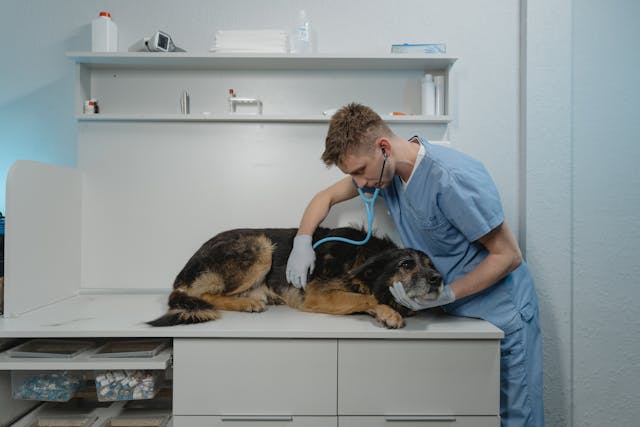
The existence of vaccine adverse events is not controversial within veterinary medicine itself. Acute reactions such as swelling, fever, lethargy, allergic responses, facial edema, digestive upset, injection-site inflammation, and anaphylaxis are well documented. (Moore et al., JAVMA Vaccine Adverse Events Study)
Researchers have also explored possible associations between repeated immune stimulation and chronic inflammatory conditions, autoimmune disease, neurological dysfunction, and vaccine-associated sarcomas, particularly in cats. (Shoenfeld & Agmon-Levin, 2011), (Kass et al., Vaccine-Associated Sarcomas in Cats)
Importantly, acknowledging these risks is not the same thing as stating that vaccines have no value.
Every meaningful medical intervention carries risk. The question is whether the risk-benefit balance remains appropriate when vaccines are repeated unnecessarily or without individualized consideration.
This is where natural rearers question the modern tendency toward protocol-driven medicine.
Medicine should not merely ask: “Can this stimulate immunity?” It should also ask: “At what cost?” “How often?” “For which animals?” “And is the intervention even necessary?” These are not radical questions. They are intelligent, responsible questions.
The Expanding Vaccine Schedule

Another important issue involves the growing number of available vaccines and the tendency for many owners to assume that “more protection” automatically means “better medicine.” Immunology is rarely that simple.
Core vaccines targeting severe viral illnesses with historically high mortality rates represent a very different conversation than non-core vaccines associated with variable efficacy, limited regional necessity, or relatively mild disease outcomes. For example, vaccines targeting bacterial organisms such as Bordetella and Leptospira often generate significant debate regarding:
- efficacy,
- duration of protection,
- strain coverage,
- actual risk of infection,
- frequency of revaccination,
- and adverse event risk.
The Bordetella vaccine, commonly associated with “kennel cough,” does not prevent all infection and offers incomplete coverage due to the number of organisms capable of contributing to respiratory illness complexes. Additionally, for the vast majority of healthy dogs, Bordetella is a mild, self-limiting infection. Severe illness or death is rare, with a mortality rate typically under 10%. (Ford, Canine Infectious Respiratory Disease Complex Studies)
Leptospirosis vaccines raise additional questions because only certain serovars are included within the vaccine despite many circulating strains existing in nature. Notably, in North America, exact infection rates for the entire canine population are unknown because many cases are asymptomatic, but seroprevalence studies estimate only 5% to 15% of dogs have been exposed. Of those exposed, the mortality rate falls around a 15% average. This translates to somewhere between 50-150 dogs in every thousand exposed, and of those exposed, 7.5-22.5 in every thousand would be expected to succumb to the illness. (Schuller et al., Leptospira Serovar Research)
Lyme vaccination presents another complicated discussion involving regional exposure rates, natural antibody prevalence, varying clinical outcomes, and historical controversy surrounding Lyme-related immune responses. Studies indicate between 90% to 95% of dogs that test positive for Lyme antibodies never show any clinical symptoms. These dogs have been exposed to the bacteria (Borrelia burgdorferi) and developed an immune response, but their bodies successfully cleared the infection or kept it contained altogether. (Greene, Infectious Diseases of the Dog and Cat)
An important additional point of understanding on illnesses like leptospirosis and Lyme: these tend to be prevalent by region and season, so risk is highly variable depending on time of year and geographic location.
Voicing these realities is critical, because the goal should be to support individualized risk assessment rather than reflexive blanket administration.
Fear, Policy, and the Rabies Question

No vaccine discussion becomes more emotionally charged than rabies. And understandably so.
Rabies is a severe neurological disease with legitimate public health implications. Much of modern rabies policy developed in response to historical fear surrounding transmission and fatality. But even here, important questions remain.
Why are rabies titers rarely accepted as substitutes for revaccination requirements despite measurable antibody presence? Why do policies often remain rigid even as immunological understanding evolves? Why are legal frameworks so resistant to individualized assessment?
These questions do not necessarily have simple answers. Public health policy frequently operates differently than individualized medicine because governments prioritize population-wide enforceability and liability reduction. Still, many owners reasonably question why current policies do not reflect modern immunological understanding. (NASPHV Rabies Compendium; Rabies Challenge Fund Research)
Again, asking the question is not the same thing as denying the disease exists. Thoughtful inquiry is not recklessness.
Follow the Incentives
One of the most uncomfortable realities within all areas of medicine, both human and veterinary, is that pharmaceutical companies play a major role in funding education, research, continuing education programs, and product development. (AVMA Continuing Education Sponsorship Reports; Industry Funding Analyses in Medical Education Literature)
That fact alone does not automatically invalidate every product or recommendation, but it does create an environment where thoughtful people should remain willing to ask questions about incentives and influence.
Why are certain topics emphasized while others receive little attention? Why are some experts highly platformed while others remain relatively unknown? Why are titer discussions often minimized or silenced despite decades of duration-of-immunity research? Why do so many owners remain unaware that annual core revaccination protocols have already been effectively challenged within veterinary immunology itself?
These are not conspiracy theories. They are questions about institutional structure. And history repeatedly demonstrates that financial incentives often shape medical culture far more than most people realize.
This Is Not Fear. This Is Discernment.

Perhaps the most important thing to understand about natural rearing is that it is not fundamentally anti-vaccine. It is pro-discernment. Pro-immunity. Pro-terrain. Pro-critical thinking. It is in complete support of trusting the intelligent design of the being.
Natural rearers would never ask dog keepers to become reckless. They are asking them to become educated. To understand:
- the difference between core and non-core vaccines,
- the difference between immunity and resilience,
- the difference between policy and biology,
- and the difference between individualized medicine and blanket protocol.
Ultimately, nobody will ever advocate for your dog more carefully than you will. And in a world increasingly driven by standardized protocols, pharmaceutical marketing, institutional inertia, and fear-based decision making, the ability to think critically is one of the most important forms of protection we still have.
Key Terms in the Vaccine Discussion: Understanding the Language of Immunology
Antibody
An antibody is a protein produced by the immune system in response to a foreign substance, such as a virus, bacteria, or vaccine antigen. Antibodies help the immune system recognize organisms it has encountered previously so it can respond more efficiently during future exposure.
Titer Test
A titer test measures the presence and sometimes quantity of antibodies in the blood associated with a particular disease. Titers are often used to help assess whether immune memory already exists before considering revaccination.
Duration of Immunity (DOI)
Duration of immunity refers to the length of time a vaccine continues providing measurable immune protection after administration. Research from veterinary immunologists has demonstrated that some core vaccines may provide immunity lasting many years or longer following proper immunization.
Antigen
An antigen is any substance capable of triggering an immune response. In vaccines, antigens are typically derived from weakened, killed, or modified organisms intended to stimulate immune memory.
Attenuation
Attenuation refers to the process of weakening a virus or organism so it can stimulate an immune response without causing full clinical disease under normal circumstances.
Adjuvant
An adjuvant is a compound added to some vaccines in order to amplify or strengthen the immune response. Certain adjuvants have generated scientific discussion regarding inflammation and immune overstimulation.
Preservative
Preservatives are substances added to some vaccines to help prevent contamination or stabilize the product during storage. Some preservatives used historically or currently in certain formulations have raised toxicological concerns when discussing cumulative exposure.
Growth Medium
A growth medium is the biological material used to culture viruses or organisms during vaccine production. Depending on the vaccine, this may involve substances such as chicken embryo tissue, egg protein, or other biological cultures.
Vaccine Adverse Event
A vaccine adverse event refers to any unwanted or unintended reaction following vaccination. These reactions may range from mild temporary inflammation to more serious immune or neurological complications.
Vaccine-Associated Sarcoma
A vaccine-associated sarcoma is a documented form of aggressive cancer that has been associated particularly with injection sites (currently more common in cats) following repeated inflammatory stimulation.
Immune Regulation
Immune regulation refers to the body’s ability to appropriately control and balance immune activity. Healthy immune regulation helps prevent both inadequate defense and excessive inflammatory overreaction.
Inflammatory Disease
Inflammatory disease refers to conditions involving persistent or dysregulated immune activation within the body. Chronic inflammation is increasingly associated with many modern diseases in both humans and animals.
Individualized Risk Assessment
Individualized risk assessment means evaluating medical decisions based on the specific animal’s lifestyle, age, health status, exposure risk, environment, and existing immunity rather than applying identical protocols universally.
Definitions adapted from veterinary immunology literature including Tizard’s Veterinary Immunology, AAHA Vaccination Guidelines, and published veterinary infectious disease resources.
References & Further Reading
Vaccine & Immunology
- Ronald D. Schultz – Duration of Immunity Studies
- Jean Dodds – Canine Vaccination Protocols
- AAHA Canine Vaccination Guidelines (2022)
- Tizard’s Veterinary Immunology
- Plotkin’s Vaccines
Adverse Events
- Moore et al. JAVMA vaccine adverse event studies
- Kass et al. vaccine-associated sarcoma research
- Shoenfeld & Agmon-Levin on ASIA/adjuvant discussion
Infectious Disease
- Greene: Infectious Diseases of the Dog and Cat
- Ford: respiratory disease complex
Toxicology
- ATSDR Formaldehyde Profile
- CDC Vaccine Excipient Documentation
