For many dog owners, inflammation is something we associate with injury, illness, or old age. Swelling, stiffness, puffiness. These are seen as isolated problems, not systemic ones.
But what if inflammation isn’t always dramatic?
What if it’s quiet. Constant. And normalized.
For decades, we’ve accepted that dogs “just slow down,” that collars “suddenly fit tighter,” that stiffness is “just aging,” and that chronic skin, gut, or mobility issues are inevitable.
In reality, many of these signs point to chronic, low-grade inflammation, and one of the most overlooked contributors is ultra-processed dog food.
Ultra-Processed Food Can Normalize Inflammation
Why Humans Notice Inflammation and Dogs Don’t Get That Choice
When humans experience inflammation, we usually notice quickly:
- Rings feel tight
- Fingers feel puffy
- Shoes fit differently
- Joints ache
- Energy drops
We respond by resting, hydrating, changing food, or adjusting habits.
Dogs don’t get that luxury.
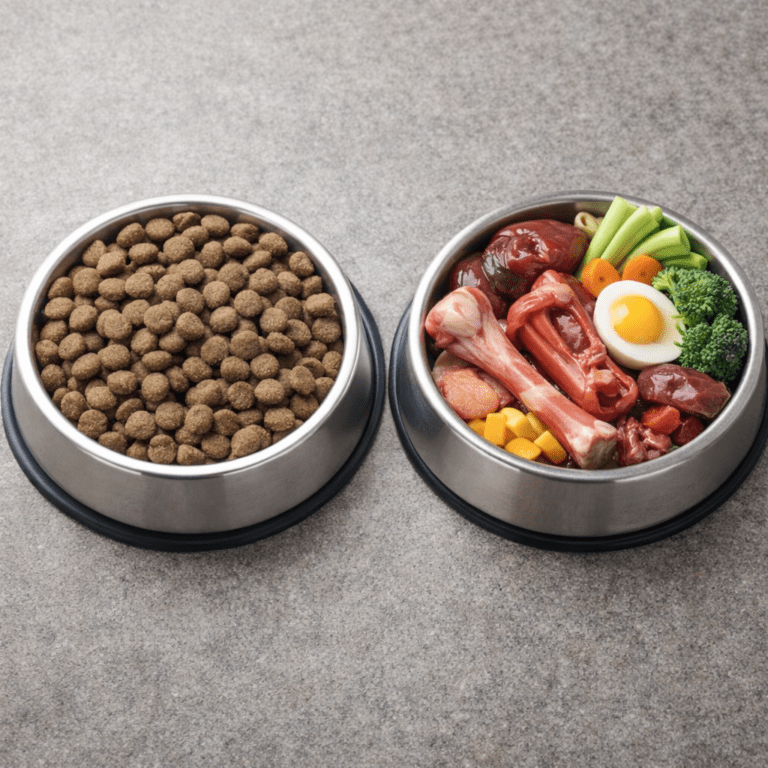
Dogs fed kibble eat the same ultra-processed food every single day, often for years, sometimes for life, without variation, breaks, or seasonal changes.
Their bodies adapt. And that adaptation becomes their baseline.
Learn why we prioritize fresh feeding.
What Ultra-Processed Dog Food Does Over Time
Kibble is shelf-stable because it is:
- Highly processed
- Dehydrated
- Heat-treated
- Preserved
- Carbohydrate-heavy
This doesn’t usually cause acute illness — which is why it’s been so widely accepted. Instead, it creates chronic physiological stress that shows up slowly.
Over time, this can lead to:
- Daily immune activation
- Constant fluid retention
- Subclinical dehydration
- Gut barrier stress
- Low-grade inflammation
Because it happens gradually, it becomes easy to miss.
How Heat Processing and Extrusion Changes Nutrients
Heat Processing and Nutrient Availability
The Signs of Chronic, Low-Grade Inflammation in Dogs
Many of the signs owners chalk up to “normal” are actually red flags:
- Puffy face or neck
- Tight collars that haven’t changed size
- Stiffness labeled as “aging”
- Reduced mobility
- Skin irritation or chronic itching
- Dull coat
- Digestive irregularity
None of these happen overnight. That’s why they’re so easy to dismiss.
Foundations of Holistic Dog Health
A Real-World Example: When Inflammation Finally Released
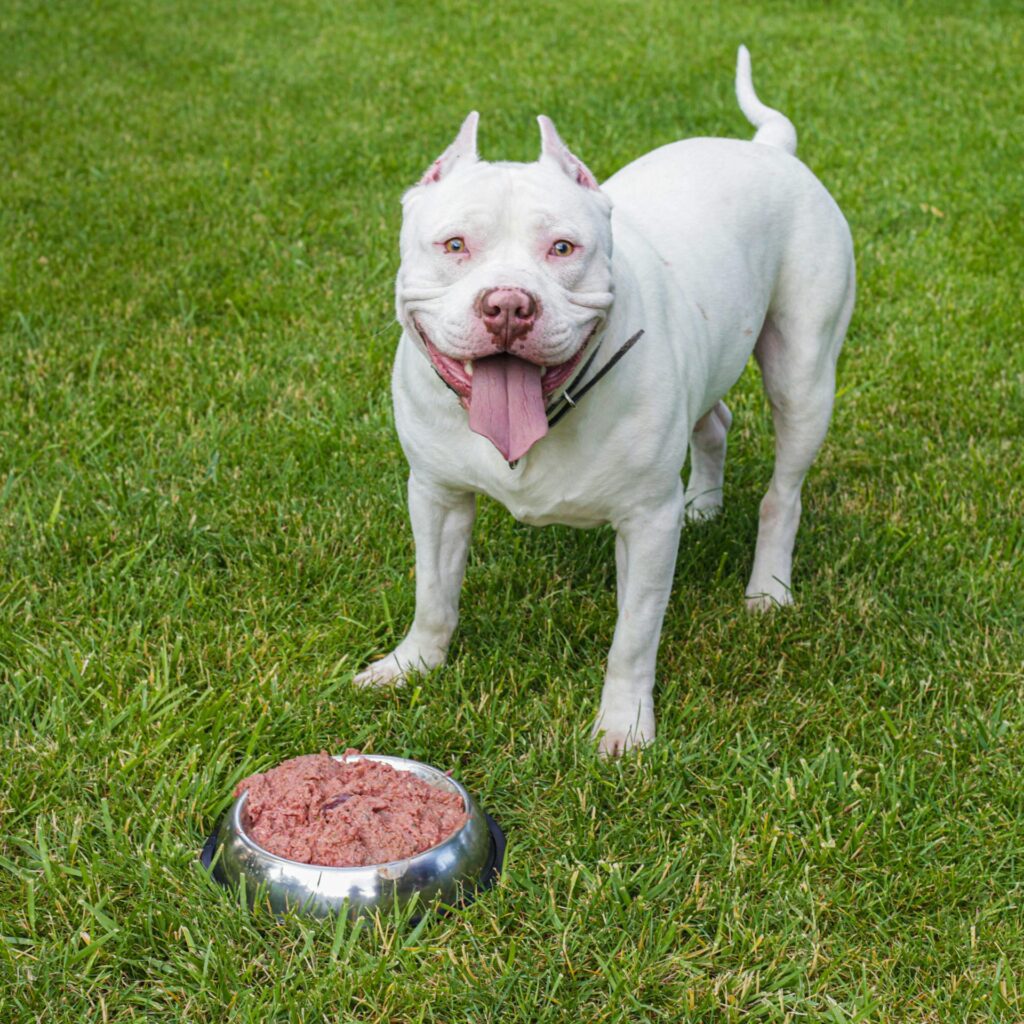
One of our past dogs, Jake, a sweet little pittie, lived 6 years exclusively on kibble.
At 11 years old, his “normal” included stiffness and a snug collar.
When fresh food was introduced, replacing just half of his kibble, something remarkable happened.
Within weeks:
- His collar loosened by 3–4 holes
- There was no weight loss
- No calorie restrictions
- No increase in exercise
What changed wasn’t fat.
It was inflammation releasing.
That moment made the reality impossible to ignore.
Why This Isn’t Weight Loss… It’s Physiological Relief
This is an important distinction.
When inflammation decreases:
- Excess fluid is released
- Tissue swelling resolves
- Immune stress lowers
The body doesn’t shrink. It softens.
That’s why these changes can happen rapidly, even without calorie changes.
How Fresh Food Supports the Body Differently
Fresh, whole foods reduce inflammatory burden by:
- Lowering immune stress
- Improving gut integrity
- Supporting natural hydration
- Reducing the body’s need to “hold on” to fluid
When the immune system isn’t constantly activated, the body can finally relax.
And when the body relaxes, healing begins.
Moisture and Hydration Differences
Diet Changes Can Shift the Gut Biome
Why Dogs Fed Kibble Don’t “Get Breaks”
Unlike humans, dogs don’t eat seasonally. They don’t rotate meals unless we do it for them. They don’t intuitively fast or switch foods.
Most dogs eat:
- The same food
- Twice a day
- For years
Even small improvements, like replacing part of a meal with fresh food, can dramatically reduce the cumulative inflammatory load.
It’s Never Too Late to Start
Age does not disqualify a dog from improvement.
In fact, older dogs often show the most dramatic changes because they’ve been carrying inflammation the longest.
Owners frequently report improvements in:
- Mobility
- Skin and coat
- Digestive healthEnergy
- Mental brightness
And often, the change is undeniable.
Progress Over Perfection
Fresh feeding doesn’t have to be all-or-nothing.
You don’t need:
- A perfect recipe
- A fully raw diet
- An overnight switch
Even partial changes matter, because inflammation isn’t binary. It’s cumulative.
And reducing it, even slightly, changes everything.
Final Thought
What we’ve accepted as “normal” dog aging often isn’t normal at all.
It’s adaptation.
And when the body is finally given relief, it shows us just how much it’s been carrying.
